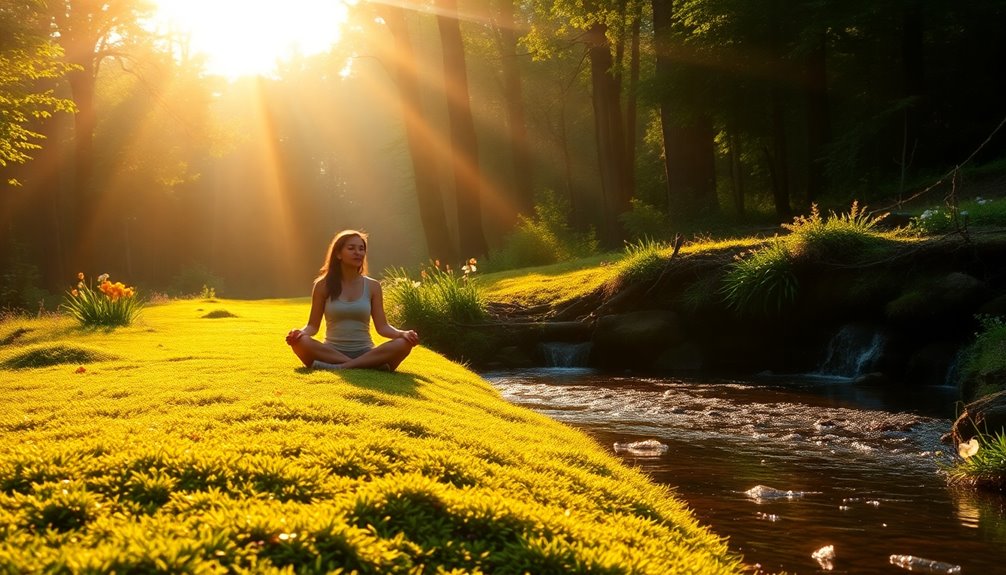
Finding inner calm is essential for steering through life’s challenges with resilience and clarity. Start by practicing mindfulness in daily activities, like savoring meals and unplugging from devices. Incorporate simple breathing techniques to manage stress instantly. Cultivating gratitude can shift your focus from stress to appreciation. Don’t forget to make time for stillness and movement, as both nurture peace. If you’re curious about creating a supportive environment to enhance these practices, there’s more to explore.
Understanding the Importance of Inner Calm
Inner calm is essential for managing life’s challenges with grace and resilience. When you cultivate inner peace, you create a foundation for emotional balance, enabling stress relief and promoting mental clarity.
Self-awareness deepens through personal reflection, helping you understand your emotions and reactions. This understanding fosters emotional resilience, equipping you to face adversity with a positive mindset.
Self-awareness through reflection enhances emotional resilience, empowering you to confront challenges with a positive outlook.
As you engage in practices that reduce fear and manage anxiety, you’ll notice a significant boost in life satisfaction. Embracing spiritual growth further enriches your journey, allowing you to connect deeply with your values and purpose. Additionally, incorporating mindfulness practices into your daily routine can lead to profound shifts in mental well-being.
Ultimately, nurturing inner calm not only enhances your day-to-day experience but also empowers you to navigate life’s ups and downs more effectively.
How Mindfulness Can Transform Your Day

Cultivating inner calm sets the stage for incorporating mindfulness into your daily routine.
Start with mindful eating, savoring each bite to enhance sensory awareness.
Consider a digital detox; stepping away from screens can clear your mind and improve emotional regulation.
Immerse yourself in nature, allowing its beauty to ground and inspire you.
Engage in creative expression, whether through art or writing; it fosters connection to your thoughts and feelings.
Practice compassionate communication, listening actively to others while expressing yourself with kindness.
Finally, prioritize sleep hygiene by creating a calming bedtime routine, ensuring you recharge for the next day.
These mindfulness practices can transform your day, making it more balanced and fulfilling.
Embrace them to experience lasting inner peace.
Simple Breathing Techniques for Instant Relaxation
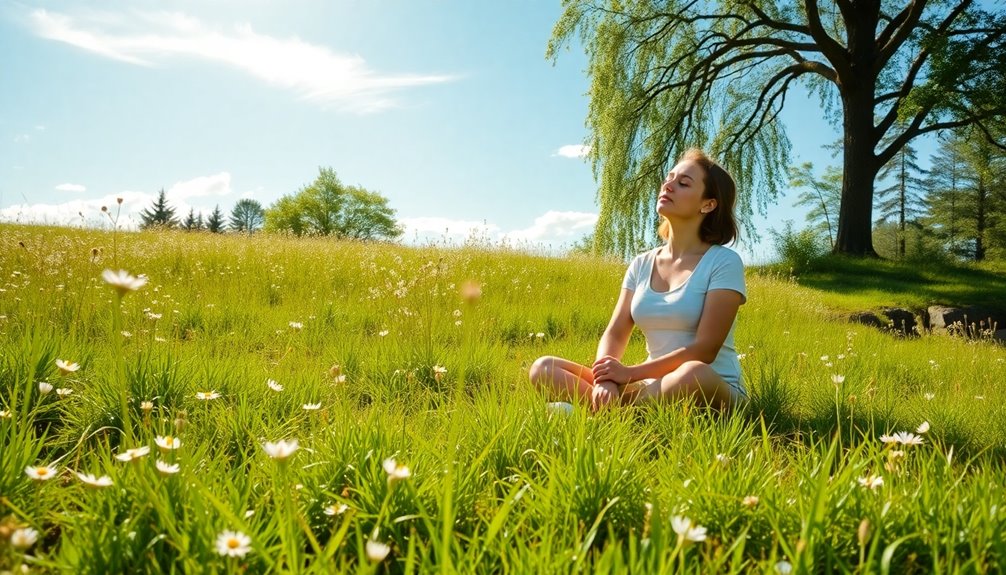
Breathing techniques can provide instant relaxation, helping you regain focus and calm in just a few minutes.
Start with breath awareness, noticing each inhale and exhale. Try diaphragmatic breathing, filling your belly with air, which activates your relaxation response.
You can also practice progressive relaxation, tensing and releasing different muscle groups while focusing on your breath.
For a quick fix, use breath counting: inhale for four counts, hold for four, and exhale for four.
Box breathing follows the same pattern but adds structure to your practice.
Incorporate guided imagery or breath visualization to enhance your experience, imagining a serene place as you breathe deeply. Research shows that mindfulness techniques significantly contribute to emotional regulation and overall anxiety management.
These simple techniques can bring tranquility to your busy day.
The Power of Gratitude in Cultivating Calm
Finding calm isn’t just about managing your breath; it also involves shifting your mindset. By incorporating gratitude rituals into your daily routine, you can foster a positive mindset that enhances emotional resilience.
Start each day with gratitude affirmations, acknowledging what you appreciate in your life. This practice amplifies gratitude effects, making your challenges feel lighter.
Engage in mindful reflection during your day, taking moments to recognize and celebrate small victories. Daily appreciation can transform your perspective, helping you focus on the good rather than the stress. Additionally, embracing the importance of gratitude can significantly enhance your mental well-being and overall satisfaction in life.
Movement: Finding Peace Through Physical Activity
When you engage in mindful walking or yoga, you’re not just moving your body; you’re also calming your mind. These practices help you connect with the present moment, releasing tension and promoting peace. Let’s explore how incorporating movement into your routine can transform your sense of inner calm, as engaging in mindfulness and self-reflection cultivates presence and appreciation for each moment.
Mindful Walking Practices
As you step outside and begin to walk, the rhythm of your feet can become a pathway to inner peace. Embrace mindful walking by integrating these practices into your journey:
- Intention setting: Focus on what you hope to achieve—calmness, clarity, or emotional release.
- Conscious pacing: Adjust your speed to match your breath, creating a harmonious flow.
- Sensory awareness: Notice the sights, sounds, and textures around you, deepening your environmental connection.
- Grounding techniques: Feel the earth beneath your feet, anchoring you in the present moment.
Allow this rhythm exploration to enrich your experience, fostering breath synchronization and mindful observation as you walk.
In this way, you cultivate peace through movement, nurturing both body and spirit.
Benefits of Yoga Movements
While you engage in yoga movements, you can experience a profound sense of peace that transcends the physical.
The yoga benefits extend beyond mere flexibility improvement; they enhance your overall physical wellness. Through mindful practice, you’ll find stress reduction and emotional balance, fostering a stronger mind-body connection.
These movements not only correct your posture but also provide an energy boost, helping you feel revitalized. As you flow through each pose, you’ll notice enhanced focus, allowing you to be present in the moment.
Embracing these movement benefits cultivates a calm, centered state, guiding you to inner tranquility. Ultimately, yoga becomes a powerful tool for nurturing your body and spirit, leading you toward a more peaceful existence.
Embracing Stillness: The Art of Doing Nothing
In today’s fast-paced world, embracing stillness can feel challenging, yet it’s essential for your well-being. You’ll discover the benefits of mindful stillness, learn techniques to quiet your thoughts, and create a space where peace thrives. Let’s explore how doing nothing can lead to profound inner calm.
Incorporating deep breathing techniques into your daily routine can significantly enhance relaxation and mental clarity.
Benefits Of Mindful Stillness
Mindful stillness offers a transformative pause in our hectic lives, inviting you to reconnect with your inner self. Embracing this practice brings numerous benefits:
- Enhanced sensory awareness: You tune into the world around you, discovering beauty in the mundane.
- Improved emotional regulation: Mindful stillness helps you process feelings, fostering resilience.
- Opportunities for creative expression: You can explore ideas through mindful journaling or visualization techniques.
- Nature immersion: Spending time outdoors during these moments deepens your connection to nature.
Incorporating restorative rituals like sound meditation or a digital detox can further enrich your experience.
As you practice peaceful affirmations, you’ll cultivate a sense of calm that permeates every aspect of your life.
Techniques For Quieting Thoughts
To quiet your thoughts and embrace stillness, you can explore a variety of techniques designed to foster tranquility.
Start with sensory engagement; listen to soft music for auditory calm or focus on the colors around you for visual mindfulness.
Nature immersion, like a walk in the park, helps clear mental clutter while grounding you in the moment.
Use distraction techniques, such as deep breathing, to shift your thought patterns.
Reflective journaling allows for emotional release, giving you a space to process your feelings.
By incorporating cognitive grounding exercises, you can anchor yourself in the present.
Ultimately, these practices help you cultivate a peaceful mind, making room for inner calm amidst life’s chaos.
Creating A Still Space
Finding inner calm often requires creating a still space where you can truly embrace stillness. This serene space allows you to disconnect from the chaos of daily life.
Here are some tips to design your own quiet retreat:
- Choose a tranquil corner in your home.
- Fill it with calming elements, like soft pillows or gentle lighting for a peaceful setting.
- Incorporate nature, whether it’s a plant or a calming scent, to enhance the harmonious atmosphere.
- Dedicate time each day to sit in your restful nook, focusing on your breath and letting thoughts drift away.
Integrating Mindfulness Into Daily Activities
While you navigate through your daily routine, integrating mindfulness can transform mundane tasks into moments of presence.
Start with mindful eating; savor each bite and appreciate flavors. A digital detox during meals enhances this experience, encouraging sensory awareness.
As you walk, connect with nature, noticing sounds and sights that ground you. Practice self-compassion by acknowledging your feelings without judgment.
In conversations, engage in mindful communication, truly listening to others. Incorporate intentional pausing throughout your day; these moments can aid emotional regulation and clarity.
Afterward, take time for routine reflection—consider what went well and what you can improve.
Embrace ambient mindfulness, allowing your surroundings to bring you peace. Research indicates that mindfulness-based therapies can effectively address anxiety and enhance overall well-being. Small shifts can lead to significant changes in your overall well-being.
Breathing Exercises to Practice Anywhere
Incorporating mindfulness into daily life naturally leads to exploring breathing exercises that can be practiced anywhere. These exercises enhance your breath awareness and help you find calm amidst distractions, like ambient sounds.
Here are some simple techniques to try:
- Deep Belly Breathing: Inhale deeply through your nose, filling your belly, then exhale slowly through your mouth.
- 4-7-8 Technique: Inhale for four counts, hold for seven, and exhale for eight.
- Box Breathing: Inhale for four counts, hold for four, exhale for four, and hold again for four.
- Counting Breaths: Count each inhale and exhale up to ten, then start over.
Integrating these exercises into your day can transform stressful moments into opportunities for peace, creating a mindful pause that enhances emotional regulation and cognitive control.
Creating a Gratitude Journal: Steps to Get Started
Starting a gratitude journal can be a powerful way to shift your mindset. First, you’ll want to choose a format that works for you, whether it’s a notebook or a digital app. Then, consider daily prompts to help you focus on what you appreciate each day. This practice of gratitude can enhance your overall well-being and foster resilience in challenging times.
Choosing Your Journal Format
Have you ever wondered what format works best for your gratitude journal? Choosing the right journal style can enhance your practice. Here are some options to evaluate:
- Digital Journaling: Great for on-the-go entries and easy mood tracking.
- Bullet Journaling: Combines artistic expression with structured reflective writing and prompt ideas.
- Traditional Notebook: Offers a tactile experience that can deepen daily affirmations.
- Creative Journaling: Incorporates drawings or collages, making each entry uniquely yours.
Explore these formats to see what resonates with you.
This personalization not only makes your gratitude practice more enjoyable but also helps you connect with your inner calm more effectively.
Find what suits you best, and let your gratitude practice flourish!
Daily Gratitude Prompts
Finding the right journal format sets the stage for a fulfilling gratitude practice. Start with daily prompts that inspire your gratitude reflections. Each morning or evening, jot down three things you’re thankful for; these can be simple moments or significant experiences.
Incorporate daily affirmations to reinforce a positive mindset and enhance your thankfulness rituals. Consider setting gratitude challenges for yourself, like focusing on different themes each week—friends, nature, or personal achievements.
These appreciation practices not only deepen your sense of gratitude but also create a habit of mindfulness. Over time, you’ll notice how these small acts cultivate a lasting sense of peace and joy in your life.
Embrace this journey, and let gratitude transform your perspective.
How to Incorporate Movement Into a Busy Schedule
How can you weave movement into a jam-packed day? It’s simpler than you think! Incorporating movement doesn’t require hours; just a few mindful choices can make a difference.
Here are some ideas to get you started:
- Take short active breaks with desk exercises or office yoga.
- Use commute stretches to energize yourself before and after work.
- Enjoy lunchtime walks or quick workouts to refresh your mind.
- Plan family activities like weekend hikes or evening jogs.
These small changes can help you stay active, even on busy days.
Remember, every bit of movement counts! By making these adjustments, you’ll find it easier to maintain your inner calm amidst the chaos.
Making Time for Stillness: Tips for Daily Practice
To find inner calm, you need to carve out moments of stillness in your day.
Prioritizing quiet time, establishing a routine, and embracing mindful breathing can make all the difference. By incorporating the practice of the 6Rs process, you can effectively manage distractions and deepen your meditation experience.
Let’s explore how these simple practices can help you connect with your inner self.
Prioritize Quiet Moments
Although life often feels hectic, carving out quiet moments is essential for cultivating inner calm. You can create peaceful environments and embrace stillness rituals in your daily life.
Here are some ways to prioritize quiet moments:
- Digital detox: Unplug from devices, even for a short time, to reduce distractions.
- Mindful pauses: Take brief breaks during your day to breathe and center yourself.
- Nature immersion: Spend time in tranquil settings, surrounded by greenery, to recharge.
- Sound therapy: Experiment with soothing sounds to enhance your moments of stillness.
Create a Routine
Creating a routine that prioritizes stillness can transform your daily life, making it easier to find inner calm. Start by establishing daily consistency; even a few minutes dedicated to quiet reflection can yield significant routine benefits.
Use mindful scheduling to carve out time in your day, enhancing your time management skills. This helps in habit formation, ensuring that self-discipline becomes second nature.
Implement prioritization strategies to make stillness a non-negotiable part of your day. Incorporate motivation techniques to stay committed, even when life gets hectic.
You’ll notice stress reduction as you embrace these practices, leading to personal growth. By making stillness a priority, you cultivate a deeper connection with yourself, fostering resilience and tranquility in your life.
Embrace Mindful Breathing
Mindful breathing serves as a powerful tool for cultivating stillness in your daily routine. By incorporating breath awareness, you can tap into a state of calm amidst life’s chaos.
Here are some tips to help you embrace mindful breathing:
- Set aside time: Dedicate a few minutes each day, ideally in the morning or before bed.
- Focus on your breath: Inhale deeply through your nose, then exhale slowly through your mouth.
- Use calming visuals: Picture a serene landscape or a gentle wave; let it enhance your relaxation.
- Practice regularly: Consistency strengthens your breath awareness and deepens your sense of peace.
Integrating these practices can transform your mind and body, allowing you to find inner calm anytime you need it.
Overcoming Common Challenges in Finding Calm
Finding inner calm can be challenging, especially when life’s demands pull you in multiple directions. You often face stress triggers like social pressures and daily distractions that cloud your mind.
To combat mental clutter, practice self-compassion and acknowledge your feelings without judgment. Implementing effective time management can help you prioritize tasks, reducing overwhelm. Consider a technology detox to minimize environmental factors that disrupt your peace. Lifestyle changes, such as incorporating regular breaks and mindfulness practices, can enhance your emotional resilience. Additionally, engaging in mindful breathing can anchor you in the present, promoting greater clarity and calmness.
How to Measure Your Progress Toward Inner Calm?
How can you effectively gauge your journey toward inner calm? You can use several self-assessment methods to track your progress indicators and see how far you’ve come.
Here are a few steps to contemplate:
- Daily Journaling: Write about your feelings and thoughts to spot patterns over time.
- Meditation Reflection: After each session, note any shifts in your mental state.
- Mood Tracking: Use apps or charts to log your emotional responses throughout the week.
- Set Specific Goals: Define what inner calm means to you and track achievements toward those goals.
Building a Supportive Environment for Your Practices
Creating a supportive environment for your practices is essential, as it can greatly enhance your journey toward inner calm.
Start by surrounding yourself with a supportive community that shares your intentions. Incorporate calming decor and tranquil colors in your space, fostering a nurturing atmosphere conducive to relaxation.
Add sensory elements like peaceful sounds or soothing scents to engage your senses fully. Curate inspiring resources that motivate your practices and build encouraging relationships with like-minded individuals.
Establish supportive routines that integrate these elements, making your mindful spaces a sanctuary for growth.
Conclusion
In your journey to inner calm, remember that “calm seas never made a skilled sailor.” Embrace each practice, knowing that even small steps can lead to profound change. As you incorporate mindfulness, gratitude, and movement into your daily routine, you’ll find a deeper sense of peace. Stay committed, and don’t shy away from challenges; they’re part of the growth. With time, you’ll cultivate a tranquil mindset that enhances every aspect of your life.