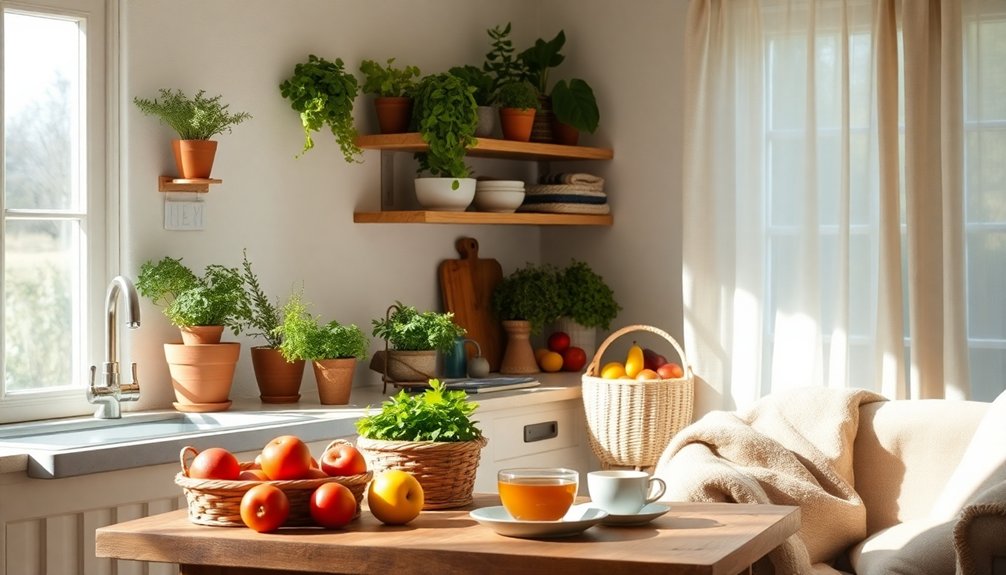
Simple living is all about embracing mindfulness, sustainability, and meaningful connections. It encourages you to declutter your physical and mental spaces, focusing on experiences instead of stuff. You’ll find joy in minimalism and creative pursuits while reducing stress and anxiety. This lifestyle promotes better mental health and supports local economies, nurturing a sense of community. As you explore these ideas, you’ll uncover even more ways to enrich your life and foster a mindful approach.
The Philosophy of Simple Living
When you embrace the philosophy of simple living, you start to declutter both your physical and mental spaces, which fosters a more mindful lifestyle.
This approach encourages you to prioritize experiences and relationships over material possessions, leading to deeper fulfillment and happiness.
By making conscious choices that support sustainability, you not only reduce your environmental impact but also contribute to local economies.
Making mindful choices for sustainability not only lessens your ecological footprint but also bolsters local communities.
Engaging in practices like mindfulness and self-reflection becomes easier, allowing you to cultivate presence and appreciation for each moment.
As you reduce distractions and simplify your daily routines, you’ll notice enhanced productivity and creativity.
Ultimately, simple living promotes better mental health, helping you to find balance and clarity in an often chaotic world. Additionally, regular gratitude practice can significantly enhance your emotional well-being and overall happiness.
Benefits of Mindfulness in Daily Life
Practicing mindfulness can greatly improve your mental clarity, helping you think more clearly and make better decisions. It also builds emotional resilience, allowing you to handle stress and challenges with greater ease. Additionally, incorporating stress-reduction techniques can further enhance your mindfulness practice and overall well-being.
Improved Mental Clarity
Mindfulness can greatly enhance your mental clarity by reducing distractions and sharpening your focus. By practicing mindfulness, you’ll notice a significant decrease in mind-wandering, which boosts your cognitive performance and productivity.
Regular mindfulness meditation can lower stress levels by 32%, clearing mental clutter and promoting clearer thinking. Engaging in mindfulness activities like deep breathing can also reduce anxiety symptoms by 50%, leading to more stable emotional responses.
Additionally, studies show that mindfulness can improve your working memory capacity by up to 20%, enhancing your ability to retain and process information. Incorporating mindfulness into your daily routine fosters a positive mindset, resulting in a 10% increase in overall life satisfaction, perfectly aligning with a slow lifestyle that prioritizes mental well-being.
Enhanced Emotional Resilience
Embracing mindfulness in your daily life can considerably enhance your emotional resilience, helping you navigate challenges with greater ease.
Practices like meditation and deep breathing reduce anxiety and depression, allowing you to face difficulties with a calmer mindset. As you engage in mindfulness, you’ll notice an increase in self-awareness, making it easier to identify and manage your emotional triggers.
Regular mindfulness practice improves emotional regulation, leading to greater stability during stress. By fostering present-moment awareness, you’ll cultivate gratitude and appreciation, further boosting your emotional resilience.
Research shows that those who practice mindfulness report higher life satisfaction and overall well-being, equipping you with the tools to cope effectively with whatever life throws your way.
Embracing Minimalism: A Guide
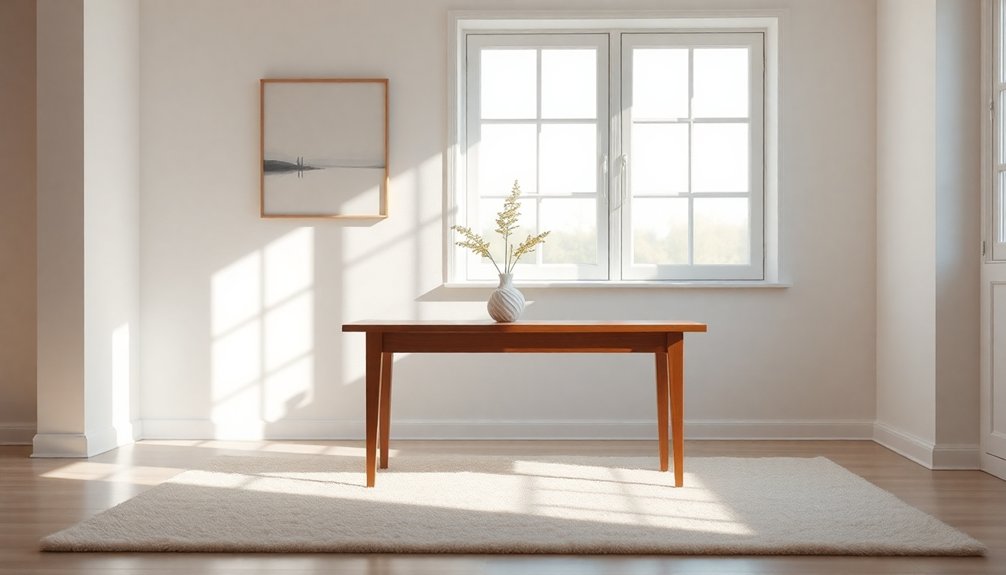
To embrace minimalism, start by decluttering your space and letting go of items that no longer serve you. This process not only clears physical clutter but also opens up mental space for what truly matters. Mindful consumption practices will help you make intentional choices, reducing waste and enhancing your overall well-being. Additionally, conducting regular inventory checks of your belongings ensures you stay aware of unnecessary accumulation.
Decluttering Your Space
While clutter can easily accumulate, taking the time to declutter your space can greatly enhance your mental clarity and reduce stress.
Embracing minimalism creates a serene environment that fosters focus and productivity. You might consider the “One In, One Out” rule to maintain balance; each time you bring a new item home, let go of an old one.
The Marie Kondo method is another effective approach—keep only what “sparks joy” to strengthen your emotional connection with your belongings.
As you embrace a minimal aesthetic, you’ll not only reduce distractions but also shift your focus from material possessions to meaningful experiences and relationships.
A decluttered space can markedly contribute to your overall happiness and satisfaction in life.
Mindful Consumption Practices
As you navigate the world of consumer choices, practicing mindful consumption can transform your relationship with possessions and promote a simpler, more fulfilling lifestyle.
Focus on the Simple Things that truly matter by evaluating the necessity of each purchase. Prioritize quality over quantity, choosing items that add value and joy to your life.
This approach not only helps reduce clutter but also encourages you to declutter your spaces, fostering a calming environment that enhances your mental well-being.
By embracing minimalism, you’ll likely save money, avoid impulsive buys, and cultivate deeper connections through meaningful experiences.
Plus, mindful consumption contributes to sustainability, as selecting fewer, high-quality items reduces waste and lessens your environmental impact.
Nurturing Creativity Through Slowing Down
When you embrace a slower pace in life, you open the door to nurturing your creativity.
Slow living allows you to cultivate the mental space necessary for reflection and inspiration. Engaging in mindful activities like gardening or journaling deepens your connection to the world around you, enhancing your creative process.
Practical tips for nurturing creativity include taking breaks to daydream, which can greatly boost your problem-solving abilities. By eliminating distractions, you can focus more clearly on your creative pursuits and truly enjoy the journey. Incorporating mindfulness and self-awareness practices into your routine can further enrich your creative endeavors.
Surrounding yourself with communities that prioritize slow living fosters collaboration and support, creating an environment ripe for creative expression.
Sustainable Practices for a Mindful Lifestyle

Embracing sustainable practices not only fosters a mindful lifestyle but also empowers you to make a positive impact on the environment.
Start by adopting a zero-waste approach—refusing, reducing, reusing, recycling, and composting to minimize waste.
Consider incorporating more plant-based meals into your diet, as they can considerably lower your carbon footprint.
Engage with community-supported agriculture (CSA) programs to support local farmers and promote seasonal eating, reducing transportation emissions.
When shopping, practice mindful purchasing by choosing products with minimal packaging and sustainable materials like organic cotton or bamboo.
Finally, implement energy-efficient practices at home, such as using LED lighting and smart thermostats, to cut electricity use and enhance your sustainable practices for a truly mindful lifestyle. Additionally, fostering healthy friendships can further enhance your overall well-being and contribute to a fulfilling life.
Building a Supportive Community
Building a supportive community is essential for cultivating a mindful lifestyle, since it creates connections with others who share your values and goals.
Engaging in local events and workshops not only strengthens these bonds but also fosters collaboration and shared learning experiences. You can use online platforms and social media to create virtual communities, where you can share resources, tips, and encouragement in your mindfulness journey.
Establishing regular meet-ups or discussion groups helps deepen relationships and promotes accountability in your simple living practices.
By supporting local artisans and businesses, you boost the local economy while cultivating a sense of belonging and shared identity among residents.
Together, you can thrive in a nurturing community dedicated to mindful living, as true friends encourage personal growth and happiness, enhancing your overall well-being.
Inspiring Stories From Simple Living Advocates
While many people chase after material possessions, simple living advocates inspire us to prioritize experiences and connections instead. Their personal stories often reveal transformative journeys toward decluttering both physical and mental spaces, fostering a more intentional lifestyle.
You’ll find that community engagement is a crucial aspect of their approach; they frequently participate in local initiatives that promote sustainability and mindfulness. These advocates share practical tips on simplifying daily routines, like meal planning and time management, making it easier for you to embrace simplicity.
They highlight how reducing consumerism leads to improved mental health, reporting lower stress and anxiety levels. By listening to their stories, you’ll feel motivated to cultivate a life that values meaningful connections over material goods. Furthermore, they often emphasize the importance of cherishing life and living in the moment, reminding us that every day presents an opportunity to appreciate our experiences fully.
Must-Read Books on Mindfulness and Simplicity
Many simple living advocates find inspiration in literature that underscores the principles of mindfulness and simplicity.
“The Simple Living Guide” offers practical strategies for decluttering, making it essential for embracing minimalism.
In “The Art of Simple Living,” Shunmyo Masuno shares 100 daily practices to help you cultivate mindfulness in everyday life.
Greg McKeown’s “Essentialism: The Disciplined Pursuit of Less” urges you to focus on what truly matters by eliminating the non-essential.
Joshua Becker’s “The More of Less” explores the benefits of minimalism, providing actionable steps for a more intentional life.
Finally, Fumio Sasaki’s “Goodbye, Things” presents his personal journey towards minimalism, offering insights on letting go of excess for greater happiness and freedom. Additionally, these books often emphasize the importance of mindfulness about needs and consumption, which is essential for leading a less stressful life.
Tips for Incorporating Mindfulness Into Your Routine
Incorporating mindfulness into your routine can transform your daily life, helping you stay present and focused. Start your day with a mindful morning routine—spend 5-10 minutes on deep breathing or meditation to set a positive tone. Throughout the day, practice slow living by focusing on one task at a time, whether you’re eating, walking, or washing dishes. Schedule regular breaks for mindfulness techniques like body scans or gratitude journaling to reduce stress and boost mental clarity. Create a designated “mindful space” at home for quiet reflection or meditation, free from distractions. Finally, embrace mindful consumption by making intentional choices that prioritize sustainability and quality, aligning with the principles of simple living. Additionally, incorporating breathing techniques into your routine can enhance relaxation and improve emotional resilience.
Conclusion
In your journey toward a simpler, more serene lifestyle, remember that small steps can spark significant change. By embracing mindfulness, minimalism, and meaningful connections, you’ll cultivate clarity and contentment in your everyday life. So, seize the opportunity to slow down, simplify, and savor each moment. With dedication and determination, you can transform your world into a haven of happiness and harmony. Start today, and let the beauty of simplicity brighten your path forward!