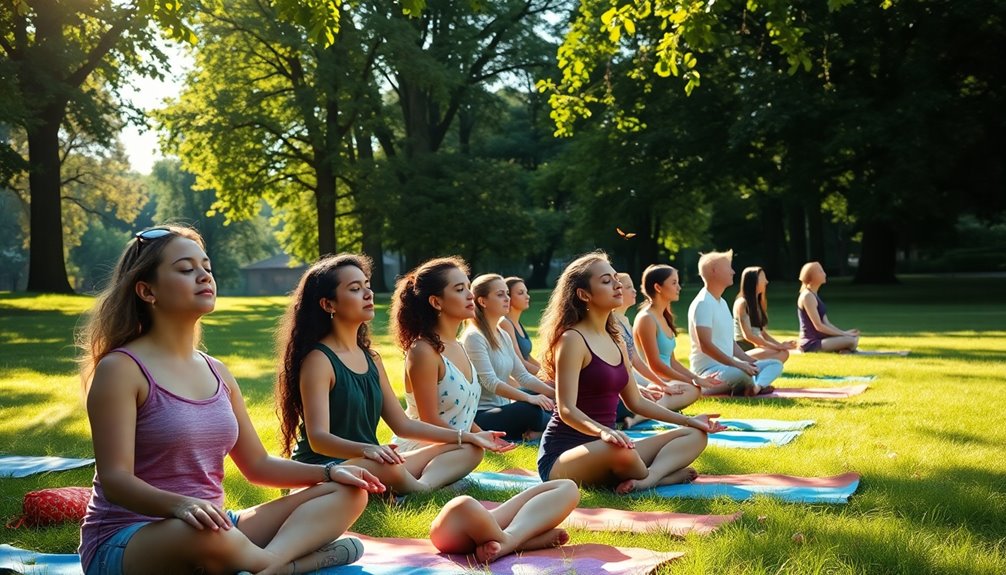
The mindfulness revolution‘s capturing attention because it transforms how you experience everyday life. By fostering awareness and presence, mindfulness helps reduce stress and improve well-being. It’s not just for quiet settings; you can practice it anywhere. As you engage with mindfulness techniques, you might find enhanced focus, emotional resilience, and a healthier work-life balance. Curious about how science backs these benefits and what practical steps you can take? There’s much more to explore.
Understanding Mindfulness: What It Is and Why It Matters
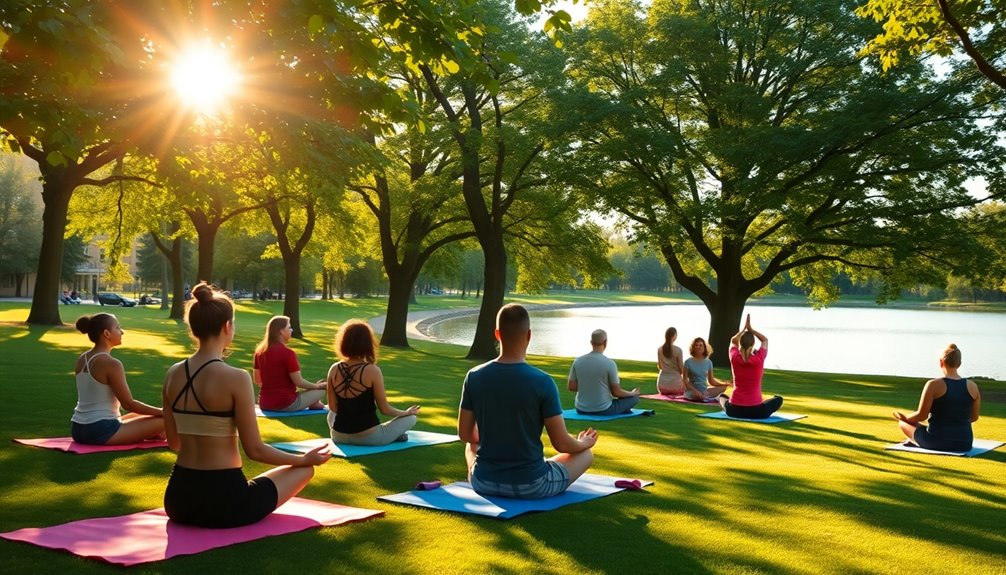
Mindfulness is a powerful practice that cultivates awareness and presence in our daily lives. Its origins trace back to ancient contemplative traditions, particularly in Buddhism, where it served as a path to enlightenment.
This practice emphasizes living in the moment, allowing you to connect deeply with your thoughts and feelings. Over time, mindfulness has gained cultural significance, spreading across various societies as a means to enhance well-being and reduce stress.
You might find that embracing mindfulness helps you navigate challenges with greater ease and clarity. By understanding its roots and importance, you can appreciate how this practice not only enriches your life but also fosters a sense of interconnectedness with those around you. Additionally, regular mindfulness practice can reshape the brain’s structures linked to emotional health, promoting resilience and overall well-being.
The Science Behind Mindfulness: How It Affects the Brain
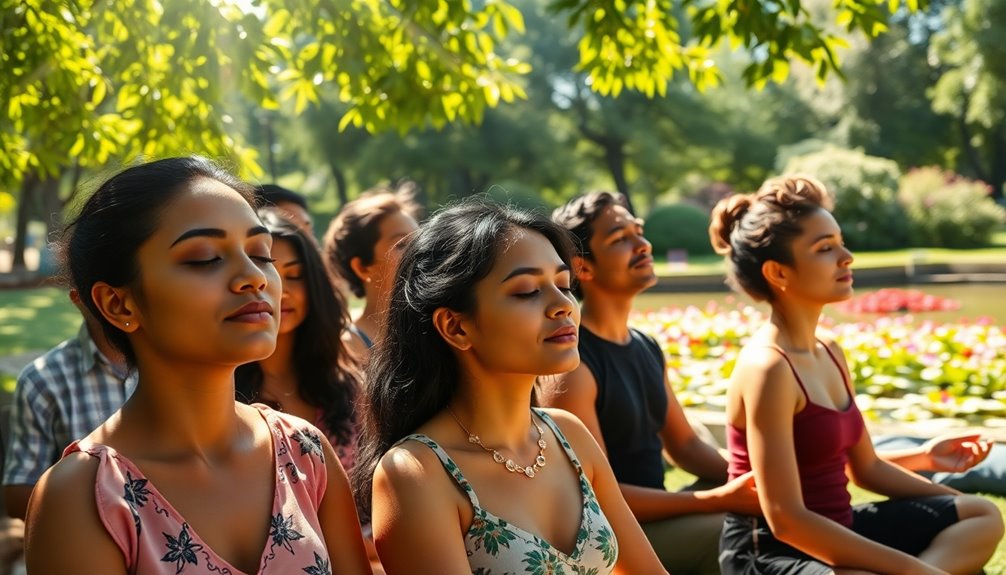
While you practice mindfulness, your brain undergoes fascinating changes that can enhance your mental well-being. Neuroscience findings reveal that regular mindfulness practices can reshape brain structures, particularly in areas related to emotion regulation, stress response, and self-awareness.
For instance, studies show increased gray matter density in the hippocampus, which is essential for learning and memory. Additionally, mindfulness helps to decrease activity in the amygdala, the brain’s fear center, promoting a calmer state of mind.
As you engage in mindfulness, you may also notice improved focus and attention, as areas responsible for these functions become more active. By understanding these scientific connections, you can appreciate how mindfulness not only fosters mental clarity but also fundamentally alters your brain’s architecture. Furthermore, incorporating mindfulness practices into your daily routine can significantly reduce anxiety symptoms and enhance emotional regulation.
Benefits of Mindfulness: Enhancing Well-Being and Productivity

Mindfulness can greatly boost your focus and concentration, making everyday tasks feel more manageable.
It also helps reduce stress and anxiety, allowing you to approach challenges with a clearer mind.
Plus, by enhancing your emotional resilience, you’ll find it easier to bounce back from setbacks and maintain your productivity. Additionally, incorporating mindfulness practices can cultivate radical self-acceptance, which further contributes to lasting contentment in your daily life.
Improved Focus And Concentration
As you practice mindfulness, you’ll likely notice a significant boost in your focus and concentration. Engaging in mindful breathing helps you center your thoughts and enables you to direct your focused attention on tasks at hand.
This clarity can transform your productivity and enhance your overall well-being.
Here are some benefits you might experience:
- Increased ability to concentrate on tasks
- Enhanced memory retention and recall
- Improved decision-making skills
- Better multitasking capabilities
- Greater awareness of your thoughts and environment
Reduced Stress And Anxiety
When you incorporate mindfulness into your daily routine, you may find that stress and anxiety begin to diminish.
The mindfulness benefits are numerous, with anxiety reduction being one of the most significant. By focusing on the present moment, you can break the cycle of overwhelming thoughts that often fuel anxiety.
Practicing mindfulness helps you develop a greater awareness of your thoughts and feelings, allowing you to respond rather than react. This shift can create a sense of calm, helping you navigate challenges with a clearer mind.
As you continue to practice, you’ll notice that stressful situations become easier to handle, leading to improved overall well-being and productivity.
Embracing mindfulness could be the key to a more balanced and peaceful life.
Enhanced Emotional Resilience
Building on the reduction of stress and anxiety, you’ll find that mindfulness also considerably boosts emotional resilience.
By practicing mindfulness, you enhance your emotional awareness, allowing you to respond to challenges with greater strength. This resilience training equips you with tools to face life’s ups and downs, making you more adaptable and less reactive.
- Improves coping strategies for difficult situations
- Enhances self-regulation of emotions
- Fosters a positive outlook on challenges
- Strengthens relationships through better communication
- Increases overall well-being and productivity
Embracing mindfulness not only helps you manage stress but also empowers you to bounce back from setbacks, creating a more fulfilling and balanced life.
Mindfulness in the Workplace: Why Are Companies Embracing It?
Why are so many companies integrating mindfulness practices into their workplaces? It’s simple: they recognize the impact on workplace culture and employee well-being.
Mindfulness enhances stress management, promoting mental health and work-life balance. By incorporating mindfulness into corporate training and engagement initiatives, companies can see a substantial productivity boost.
Leaders are adopting mindfulness as part of their leadership strategies, improving team dynamics and fostering a supportive environment. Employees feel more connected and engaged, which ultimately drives better results.
As organizations prioritize mindfulness, they create a healthier atmosphere that benefits everyone, leading to a more resilient workforce. Embracing mindfulness isn’t just a trend; it’s a strategic move toward sustainable success in today’s fast-paced business world. Additionally, this practice aligns with the principles of effortless action, allowing individuals to navigate challenges with greater ease and flow.
Practical Mindfulness Techniques: How to Get Started Today
How can you easily incorporate mindfulness into your daily routine? Start with these practical techniques that can transform your day:
- Mindful breathing: Take five minutes to focus solely on your breath. Inhale deeply and exhale slowly, letting your thoughts drift away.
- Gratitude journaling: Each evening, jot down three things you’re grateful for. This shifts your focus to the positive.
- Body scan: Spend a few minutes noticing sensations in each part of your body, promoting relaxation and awareness.
- Mindful walking: During your next stroll, pay attention to each step and the sensations in your feet.
- Digital detox: Set aside specific times to unplug from devices, allowing for mental clarity.
Incorporating these practices can lead to a greater sense of peace and calm, enhancing your overall well-being.
These simple practices can help you cultivate mindfulness throughout your day.
Overcoming Common Misconceptions About Mindfulness
While many people think mindfulness is just about meditation or sitting in silence, it actually encompasses a broad range of practices that can fit seamlessly into your life.
Myth debunking is essential, as many believe mindfulness requires hours of dedicated time or a serene environment. In reality, you can practice mindfulness during daily activities, like eating or walking.
Another common misconception is that mindfulness is about emptying your mind; instead, it’s about observing your thoughts without judgment. By understanding these practice misconceptions, you can embrace mindfulness in a way that suits your lifestyle. Additionally, incorporating mindfulness techniques into everyday experiences can significantly enhance your emotional resilience and ability to manage stress.
The Role of Technology in the Mindfulness Movement
Technology’s changing the way you practice mindfulness, making it more accessible than ever.
With a wealth of apps available, you can find guided meditations tailored to your needs.
Plus, virtual reality experiences can transport you to serene environments, enhancing your meditation practice like never before. Incorporating mindfulness practices into daily life can further enrich your overall well-being.
Apps for Mindfulness Practice
As you navigate the fast-paced demands of modern life, mindfulness apps have emerged as essential tools, helping you cultivate awareness and reduce stress.
These apps not only offer guided meditations but also integrate features that encourage a consistent practice.
- Personalized meditation plans tailored to your needs
- Daily meditation reminders to keep you on track
- Progress tracking to visualize your growth
- Community features for support and motivation
- Breathing exercises to help you reset during busy days
With just a few taps, you can access calming sessions anytime, anywhere.
Embracing mindfulness apps can transform your approach to mental well-being, making it easier to incorporate mindfulness into your daily routine.
Virtual Reality Meditation Experiences
Imagine stepping into a serene environment that transports you away from the chaos of daily life, and that’s exactly what virtual reality (VR) meditation experiences offer.
With VR technology, you can immerse yourself in tranquil virtual environments, making meditation more engaging and effective. You’re no longer limited to your physical space; instead, you can find yourself on a peaceful beach or amidst a lush forest.
These immersive experiences help you focus, reduce anxiety, and enhance your overall mindfulness practice. Plus, the visual and auditory elements work together to deepen your relaxation.
Integrating VR into your meditation routine can revolutionize how you connect with your inner self and promote a sense of well-being like never before.
Future Trends: Where Is the Mindfulness Revolution Heading?
How will the mindfulness revolution continue to evolve in the coming years? You’ll see exciting mindfulness trends emerging that reshape how you engage with your mental health.
Future practices will likely incorporate technology, making mindfulness more accessible and personalized. Here are some trends to watch for:
- Integration of AI in guided meditations
- Mindfulness apps enhancing user experiences
- Corporate wellness programs emphasizing mindfulness
- Community-based mindfulness retreats
- Research-backed techniques for enhanced effectiveness
As the mindfulness revolution progresses, the integration of mindfulness techniques will be crucial in enriching life experiences and fostering emotional regulation.
These developments will bring mindfulness practices into daily life, helping you cultivate awareness and reduce stress in innovative ways.
As the revolution unfolds, stay tuned for new tools and approaches that empower you to deepen your mindfulness journey.
Conclusion
In today’s fast-paced world, embracing mindfulness isn’t just a trend; it’s a lifeline. By incorporating simple techniques into your daily routine, you can boost your well-being and productivity, just like those ancient monks who found peace amidst chaos. As companies recognize its benefits, mindfulness is here to stay. So why not jump on this revolution? Start today, and watch how it transforms not just your work life, but your entire existence.