You don’t have to sit still to meditate! Explore mindful movement practices like yoga or walking to stay engaged while enhancing awareness. Try creative visualization to imagine peaceful scenes that calm your mind. You can also use guided meditations to help focus your thoughts. Set up a comfortable space that inspires you, and embrace small steps to build your practice. Keep going, and you’ll discover even more helpful tips to enhance your meditation journey.
Why You Don’t Have to Sit Still to Meditate
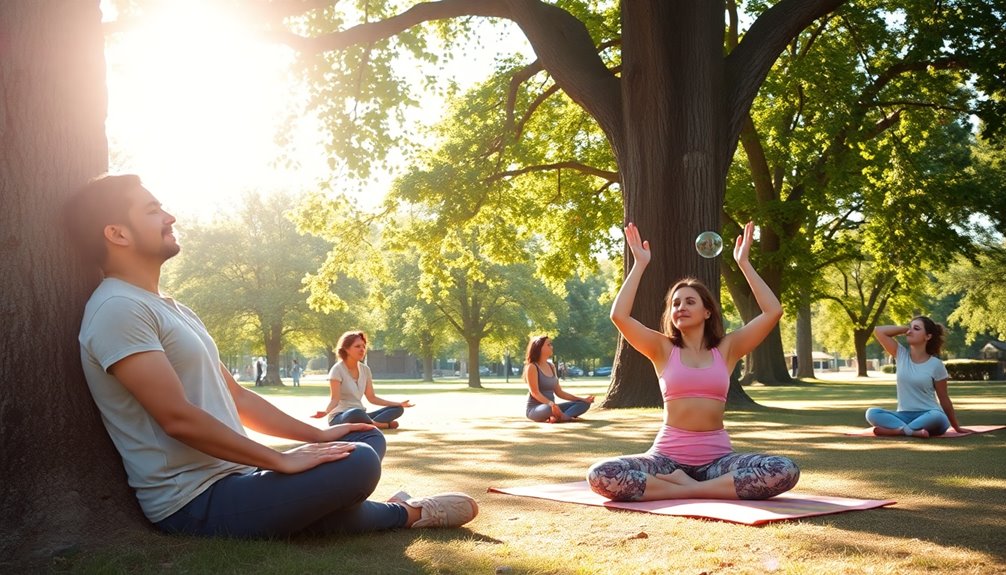
Even if you think meditation means sitting cross-legged in silence, you can actually practice it in a variety of ways. You don’t have to adhere to meditation misconceptions that limit your experience.
Instead, embrace meditation flexibility by engaging in mindful movement, like yoga or walking, which promotes body awareness. As you move, focus on your breath and the sensations around you, enhancing your sensory experiences.
Dynamic mindfulness allows you to connect with the present moment actively. You might also explore creative visualization, where you imagine peaceful scenes, fostering a deeper sense of calm. Engaging in these practices can significantly enhance your emotional regulation, leading to greater happiness and well-being.
Understanding Different Types of Meditation
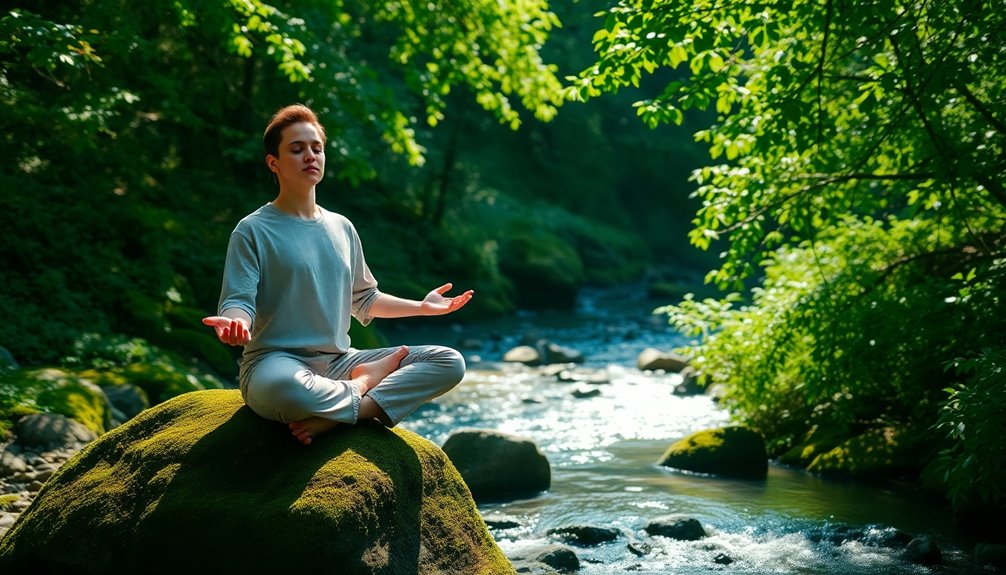
Exploring meditation’s flexible nature opens the door to various types that can suit different preferences and lifestyles.
You might find mindful movement practices, like yoga or tai chi, perfect if you enjoy being active. These methods combine physical activity with meditation benefits, allowing you to stay engaged while calming your mind.
Alternatively, you could try guided meditation, where an instructor leads you through techniques, making it easier to focus. If you prefer solitude, self-guided meditation can help you connect with your thoughts.
There’s also loving-kindness meditation, which fosters compassion. By understanding these different styles, you can discover what resonates with you, making meditation a more enjoyable and beneficial part of your daily routine. Additionally, embracing stillness through daily quiet time can significantly enhance your meditation practice.
How to Find the Right Meditation Style for You

How do you choose the best meditation style for your needs? Start with mindful exploration.
Consider what resonates with you—do you prefer guided sessions, silent sitting, or movement-based practices like yoga? Reflect on your personal preferences; some people thrive in structured environments, while others enjoy flexibility.
Try different techniques, such as loving-kindness meditation for compassion or body scan for relaxation, to see what feels right. You might find that a combination works best for you.
Keep an open mind during this journey; it’s all about discovering what helps you connect with yourself. Remember that mindfulness practice can reshape brain structures linked to emotional health, enhancing your overall experience.
Tips for Creating a Comfortable Meditation Space
Creating a comfortable meditation space doesn’t have to be complicated; just a few simple elements can enhance your practice.
Start by choosing a quiet spot where you won’t be disturbed. Consider adding soft cushions or a chair that supports your posture.
To cultivate a calming meditation ambiance, use dim lighting or candles to create a serene environment. Incorporate elements that reflect your personal preferences, like plants, artwork, or soothing scents.
You might also play gentle background music or nature sounds to help you focus. Additionally, embracing mindful consumption when selecting items for your space can further enhance your meditation experience.
Finally, keep your space tidy and organized to minimize distractions.
The Power of Guided Meditations for Beginners
Once you’ve set up a peaceful meditation space, you might find that guided meditations can greatly enhance your practice, especially if you’re just starting out.
These sessions provide direction and support, helping you focus your mind and embrace the present moment.
Here are three benefits of using guided meditations:
- Guided Imagery: Visualize calming scenes, allowing your mind to relax and drift away from stress.
- Audio Resources: Access various apps and websites offering a range of meditations to suit your needs, from mindfulness to relaxation.
- Structured Practice: Follow along with an instructor, making it easier to stay engaged and committed to your meditation routine.
Using guided meditations can make your journey more enjoyable and effective. Additionally, incorporating mindful breathing techniques can enhance your overall meditation experience.
Incorporating Movement Into Your Meditation Practice
While many people associate meditation with stillness, incorporating movement into your practice can deepen your experience and enhance mindfulness.
Try movement meditation by engaging in mindful walking, where each step connects you to the present moment.
Yoga integration can also be powerful; focus on your breath as you flow through poses, cultivating a sense of active awareness.
If you enjoy dance, explore dance mindfulness, allowing your body to express emotions while staying rooted in the moment.
Tai chi flow offers a gentle way to harmonize movement with breath, promoting relaxation and focus. Additionally, engaging in these practices can enhance focus and emotional resilience, allowing you to better navigate the challenges of daily life.
Mindfulness Techniques for Active Minds
Here are three techniques you can try:
- Mindful Walking: Focus on each step you take. Feel the ground beneath your feet and notice the rhythm of your breath. This transforms a simple walk into a meditative experience.
- Active Visualization: While engaging in physical activity, picture a calming scene—like a beach or forest. Let your mind explore the details, enhancing your focus and relaxation.
- Movement Meditation: Try yoga or tai chi. These practices blend movement with mindfulness, helping you stay present while utilizing your body’s energy. Practicing stillness through movement can also enhance overall well-being, allowing you to cultivate a peaceful state of mind.
Experiment with these techniques to find what resonates with you!
Breathing Exercises to Enhance Focus During Meditation
To sharpen your focus during meditation, incorporating breathing exercises can make a big difference.
The diaphragmatic breathing technique and the box breathing method are two effective practices to help ground your mind.
Let’s explore how these techniques can enhance your meditation experience. Regular practice of these mindfulness techniques improves overall emotional resilience and equips individuals with better tools for managing anxiety.
Diaphragmatic Breathing Technique
One effective way to enhance your focus during meditation is through the diaphragmatic breathing technique. This method not only calms your mind but also brings various diaphragmatic benefits, making it easier to settle into your practice.
Here’s how to get started:
- Find a Comfortable Position: Sit or lie down in a way that feels natural to you.
- Place Your Hand on Your Belly: As you inhale deeply through your nose, feel your belly rise. This guarantees you’re using your diaphragm effectively.
- Exhale Slowly: Release the breath through your mouth, allowing your belly to fall. Focus on the rhythm of your breath.
Box Breathing Method
Building on the diaphragmatic breathing technique, the Box Breathing method offers another way to center your mind and enhance focus during meditation.
This technique involves inhaling for a count of four, holding for four, exhaling for four, and holding again for four. By repeating this cycle, you create a calming rhythm that helps clear your thoughts and reduces stress.
The box breathing benefits include improved concentration and emotional regulation, making it easier to stay present during your practice. Plus, it’s simple enough to use anywhere, whether you’re at home or on the go.
Give the box breathing technique a try, and notice how it transforms your meditation experience, helping you feel more grounded and focused.
Short Meditation Practices You Can Do Anywhere
Here are three simple techniques you can try:
- Walking Meditation: While you walk, focus on each step and the sensations in your feet. This keeps you grounded and present.
- Mindful Breathing: Take a moment to close your eyes and focus solely on your breath. Inhale deeply for four counts, hold for four, then exhale for four. Repeat this a few times.
- Body Scan: Spend a minute scanning your body from head to toe. Notice any tension or discomfort, and consciously relax those areas.
These quick practices can help you cultivate mindfulness anytime, anywhere, allowing you to enhance your awareness and mindfulness and improve your overall life experiences.
Using Fidget Tools to Aid Your Meditation Journey
While meditation often emphasizes a calm mind, incorporating fidget tools can enhance your practice by providing a physical outlet for restless energy.
These sensory items, like stress balls or fidget spinners, can help you stay grounded and focused during your sessions. By engaging your hands, you allow your mind to settle, leading to improved meditation benefits.
As you fidget, you may find it easier to focus on your breath or mantra, facilitating deeper relaxation. Experiment with different fidget tools to discover what works best for you.
Whether it’s a textured pad or a simple rubber band, these items can promote focus enhancement and make meditation feel more accessible, allowing you to embrace your journey without the pressure to sit still. Regular mindfulness practices can also support your ability to remain engaged and calm during meditation.
How to Stay Consistent With Your Meditation Routine
Staying consistent with your meditation routine is key to reaping its benefits.
You can achieve this by setting realistic goals, creating a regular schedule, and finding a dedicated space that inspires calm.
Let’s explore how these steps can help you establish a lasting practice.
Set Realistic Goals
Setting realistic goals is essential for maintaining a consistent meditation routine. When you set achievable targets, you’re more likely to stick with your practice.
Here are three tips to help you with goal setting and maintaining realistic expectations:
- Start Small: Begin with just five minutes a day. Gradually increase your meditation time as you become more comfortable.
- Be Specific: Instead of saying, “I’ll meditate more,” commit to meditating every morning at 7 AM. Specificity helps you stay on track.
- Track Your Progress: Keep a journal to note your meditation sessions. This not only holds you accountable but also shows how you’re improving over time.
Create a Schedule
Creating a consistent meditation schedule plays a crucial role in developing your practice. To stay committed, focus on your meditation frequency. Start small—try just five minutes a day and gradually increase as you feel comfortable.
Use scheduling techniques like setting reminders on your phone or adding meditation to your calendar. Choose a specific time that fits your daily routine, whether it’s first thing in the morning or right before bed.
Consistency is key, so find a time that feels right for you. Don’t worry about perfection; it’s okay to miss a session occasionally. The goal is to make meditation a regular part of your life, allowing you to cultivate mindfulness and experience the benefits of your practice over time.
Find Your Space
Finding the right space for meditation can greatly enhance your practice and help you stay consistent. A well-chosen meditation environment makes it easier to focus and unwind.
Here are three tips to create your personal space:
- Choose a Quiet Area: Find a spot away from distractions, like noise or foot traffic, to help you concentrate.
- Add Comfort: Use cushions, blankets, or a chair that supports your body. Comfort allows for longer, more enjoyable sessions.
- Incorporate Personal Touches: Decorate your space with items that inspire you, like plants, candles, or meaningful artwork. This makes the environment feel special and inviting.
The Role of Nature in Active Meditation Practices
How can immersing yourself in nature enhance your active meditation practices? Nature’s benefits are profound, offering a perfect backdrop for outdoor meditation.
By connecting with your environment, you cultivate natural mindfulness and deepen your sensory awareness. The sights, sounds, and smells around you create a rich tapestry that promotes sound immersion, helping you focus on the present moment.
Connecting with nature enhances mindfulness, enriching your sensory experience and anchoring you in the present moment.
Engaging in nature therapy can also serve as a grounding technique, allowing you to release stress and reconnect with yourself. As you walk, breathe, or simply sit in a natural setting, you’ll notice how the environment influences your state of mind.
Embrace these moments, and let nature guide your active meditation journey toward tranquility and clarity.
How to Handle Distractions While Meditating
Distractions can be the biggest hurdle in meditation, often pulling your focus away from the present moment. To handle these interruptions effectively, try out some distraction techniques and meditation tools that work for you.
Here are three practical strategies:
- Focus on Your Breath: Use your breath as an anchor. When distractions arise, gently redirect your attention back to your breathing.
- Create a Dedicated Space: Set up a quiet, comfortable area for meditation. This space should be free from noise and interruptions, making it easier to concentrate.
- Use Guided Meditations: Listening to guided sessions can help you stay engaged and minimize wandering thoughts. Look for apps or recordings that resonate with you.
With these tips, you’ll find it easier to maintain your focus and enjoy your meditation practice.
Setting Realistic Expectations for Your Meditation Progress
When you start meditating, it’s essential to embrace small steps and focus on consistency.
Progress may be slow, but celebrating minor achievements can boost your motivation.
Embrace Small Steps
As you begin your meditation journey, it’s crucial to embrace small steps and set realistic expectations for your progress.
Remember, meditation isn’t about perfection; it’s about gradual progress. Start by incorporating mindful movement into your routine and allow yourself to grow at your own pace.
Here are three ways to embrace small steps:
- Begin with short sessions: Start with just 5 minutes a day and gradually increase as you feel more comfortable.
- Practice mindfulness in daily activities: Incorporate meditation principles into tasks, like walking or eating, to enhance focus.
- Celebrate small wins: Acknowledge each session, no matter how short. Recognizing your efforts encourages continued practice.
With each step, you’ll build a foundation for deeper meditation.
Focus on Consistency
Consistency is key to building a successful meditation practice. When you commit to a daily practice, even if it’s just a few minutes, you’ll start experiencing the meditation benefits more profoundly.
Set realistic expectations for yourself; don’t aim to meditate for an hour right away. Instead, begin with shorter sessions and gradually increase the time as you feel more comfortable.
It’s important to remember that progress isn’t always linear. Some days will be easier than others, and that’s perfectly okay. Focus on showing up each day, even if your mind wanders or you struggle to stay still.
Over time, this consistent effort will help you cultivate a deeper connection to your practice and reveal the transformative benefits of meditation.
Celebrate Minor Achievements
Celebrating minor achievements can greatly enhance your meditation journey. When you recognize your progress reflections, you motivate yourself to continue.
It’s essential to set realistic expectations and celebrate those mindful milestones along the way. Here are a few ways to acknowledge your progress:
- Track Your Sessions: Keep a journal of your meditation times, noting improvements in focus or relaxation.
- Acknowledge Your Thoughts: If you notice fewer distractions during meditation, give yourself credit for that growth.
- Share with Others: Discuss your experiences with friends or a community, turning your achievements into shared moments of joy.
Celebrating Your Meditation Journey: Small Wins Matter
While you commence on your meditation journey, recognizing and celebrating small wins can greatly enhance your experience. Each time you sit down to meditate, even for just a few minutes, you’re achieving a mindful milestone.
Acknowledge how far you’ve come, whether it’s focusing for a full five minutes or simply remembering to breathe deeply. These progress reflections are essential; they remind you that every moment counts.
Celebrate these achievements, no matter how small, because they build momentum and confidence. Share your wins with friends or keep a journal to track your growth.
Embracing these small victories will transform your meditation practice into a fulfilling journey, making it easier to stick with it over time.
Conclusion
Meditation doesn’t have to be a still, silent experience. Just like a river flows freely, you can embrace movement and explore different styles that resonate with you. As you create your own space and tap into guided meditations, remember that distractions are part of the journey. Celebrate every small victory along the way. With patience and practice, you’ll find your rhythm and discover the peace within, transforming your perception of meditation one session at a time.