
Walking barefoot, or grounding, connects you to the Earth’s energy, offering several health benefits like reduced inflammation, better sleep, and improved emotional well-being. By syncing with the Earth’s negative electrical charge, you can lower stress and enhance circulation. Incorporating grounding into your work routine—like using grounding mats or taking barefoot walks—can boost productivity and foster a healthier mindset. Discover how you can seamlessly integrate these practices into your daily life for even more benefits.
Understanding Grounding
Understanding Grounding
When you connect directly with the Earth’s surface, you’re engaging in a practice known as grounding or earthing. This simple act, like walking barefoot on grass or soil, allows you to absorb the Earth’s negative electrical charge.
Grounding neutralizes the positive charges that accumulate in your body from modern lifestyles, potentially reducing inflammation and enhancing your overall health. You can practice grounding both outdoors and indoors, using products like grounding mats when natural surfaces aren’t accessible.
Limited studies suggest that grounding improves blood circulation by decreasing blood viscosity, which is linked to healthier cardiovascular function. Just 10 to 30 minutes of grounding daily may lead to significant health benefits, such as reduced stress and better blood flow, along with improved emotional well-being. Engaging in grounding practices can also promote self-care and well-being, contributing to a more balanced and fulfilling life.
The Science Behind Grounding
When you practice grounding, your body absorbs electrons from the earth, which can greatly reduce inflammation and improve overall health. This electron absorption enhances blood flow, making your cardiovascular system more efficient. Additionally, regular engagement in physical activities not only supports grounding practices but also contributes to overall well-being and happiness.
Electron Absorption Mechanism
Grounding, or earthing, connects you directly to the Earth’s surface, allowing your body to absorb electrons that carry a negative charge. This electron absorption helps neutralize the positive charges that accumulate from modern lifestyles.
When you walk barefoot or use grounding mats, you facilitate this transfer, which can improve blood viscosity and circulation by preventing red blood cells from clumping together.
Studies suggest that grounding enhances your parasympathetic nervous system activity, leading to lower blood pressure and better cardiovascular health.
By balancing your body’s electrical state through electron transfer, grounding may support overall wellness, reducing the impact of inflammation and chronic stress.
Embracing grounding practices can notably benefit your health.
Inflammation Reduction Effects
As you connect with the Earth’s surface, your body can absorb electrons that play an essential role in reducing inflammation. Grounding, or earthing, helps lower inflammation by neutralizing free radicals and decreasing oxidative stress.
Studies show significant inflammation reduction effects, with participants reporting less chronic pain and improved overall health.
- Grounding may help regulate inflammatory markers in your body.
- Research indicates reduced secretion of pro-inflammatory cytokines.
- Improved circulation can enhance your body’s healing processes.
Blood Flow Improvement
Connecting with the Earth’s surface not only helps reduce inflammation but also greatly enhances blood flow. Grounding has been shown to decrease blood viscosity, a significant factor in improving circulation.
In a 2013 study, participants experienced reduced blood clumping after just two hours of grounding. By absorbing electrons from the Earth, you potentially act as an antioxidant, further reducing inflammation and enhancing blood flow.
Improved circulation lowers your risk of cardiovascular disease, as high blood viscosity can strain your heart. Many who engage in grounding report increased energy levels, likely due to better oxygen delivery throughout the body.
Enhanced blood flow can also lead to quicker recovery times after exercise by efficiently delivering nutrients and removing metabolic waste.
Health Benefits of Grounding
The practice of grounding, which involves direct contact with the Earth’s surface, offers a range of health benefits that can enhance your overall well-being.
Engaging in grounding can have significant health implications, including:
- Reduced inflammation, potentially alleviating chronic pain and autoimmune symptoms.
- Improved sleep quality, leading to increased energy levels and relaxation.
- Enhanced heart rate variability, a key marker of good cardiovascular health.
Research shows that spending just 10 to 30 minutes barefoot on natural surfaces can help regulate cortisol levels, reduce stress, and promote healthier circulation by decreasing blood viscosity. Moreover, regular engagement in such practices can contribute to greater emotional strength, enhancing your ability to cope with life’s challenges.
Incorporating Grounding Into the Workplace

Incorporating grounding techniques at work can boost your overall wellness and productivity. Just a few minutes spent on grounding mats or walking barefoot during breaks can greatly reduce stress and improve mood. Additionally, engaging with nature during breaks can enhance mental clarity and provide immediate calming effects, promoting a sense of mindfulness and present-moment awareness.
Grounding Techniques at Work
Grounding techniques in the workplace can greatly enhance employee well-being and productivity. By incorporating simple methods, you can create a healthier work environment.
- Use grounding mats under desks to maintain contact with the earth’s electrical charge.
- Take short breaks to walk barefoot on the ground, preferably on natural surfaces, for 10 to 30 minutes.
- Encourage standing barefoot on unsealed concrete or grass during breaks to reduce inflammation and improve circulation.
These practices not only help reduce stress but also promote a culture of wellness within your organization.
As you connect with nature, you’ll likely notice improved overall well-being and increased focus.
Implementing grounding techniques can lead to a calmer, more productive workplace for everyone.
Benefits for Employee Wellness
When you integrate grounding practices into your workplace, you can considerably boost employee wellness. Allowing employees to walk barefoot on natural surfaces or use conductive mats can help regulate cortisol levels, reducing stress and promoting a calmer environment.
These benefits of grounding may enhance blood flow and support cardiovascular health, potentially lowering absenteeism due to health issues. Employees engaging in grounding practices often report lower inflammation and chronic pain, which can decrease healthcare costs associated with musculoskeletal disorders.
Techniques for Grounding
One effective way to connect with the Earth and harness its energy is through various grounding techniques.
By practicing these methods, you can absorb electrons from the Earth’s surface, which may help reduce inflammation and improve sleep.
Here are some techniques to try:
- Walking without shoes on grass, sand, or soil for direct contact with the Earth.
- Lying on the ground or sitting on the grass to facilitate electron absorption.
- Meditating outdoors or engaging in gentle exercises to enhance your connection with nature.
Engaging in these activities for just 10 to 30 minutes daily can lead to significant health benefits. Additionally, self-care practices are essential for reducing overall stress levels and promoting well-being.
Grounding Products You Can Use
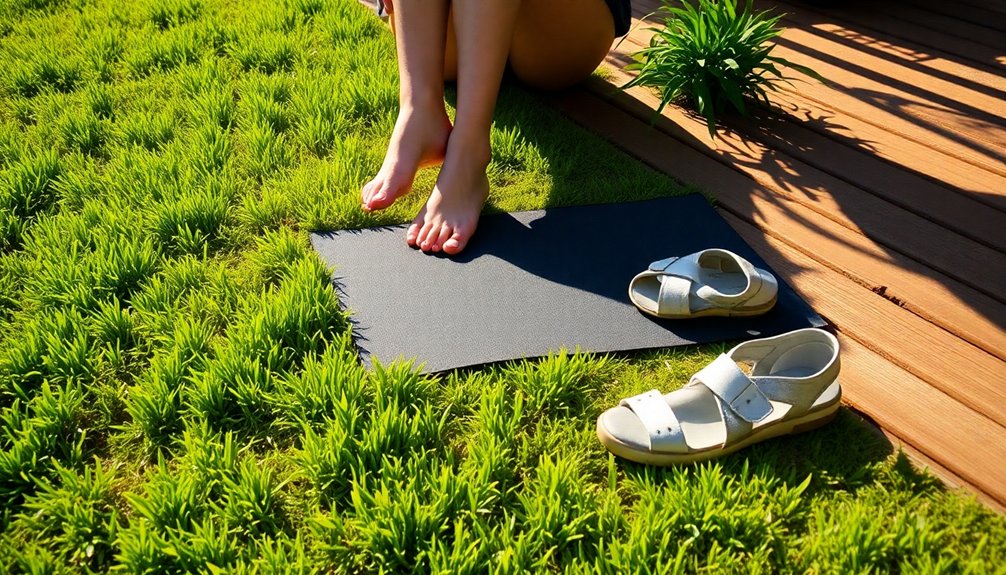
There are several innovative products designed to help you experience the benefits of grounding, even when you’re indoors.
Grounding sheets, made with conductive materials, allow you to connect to the earth’s electrical charge while sleeping or resting. You can use grounding mats under your feet at your desk or while sitting, facilitating contact with the earth’s energy during work or leisure.
Grounding socks feature conductive fibers that absorb electrons as you walk indoors, offering a convenient option for grounding. Grounding patches can be applied directly to your skin and connect to a grounding port, providing grounding effects even without direct earth contact.
Finally, grounding rods can connect these products to the earth, ensuring an effective grounding experience indoors. Incorporating healthy habits into your routine, such as grounding, can enhance overall well-being and reduce stress levels.
Safety Considerations for Grounding
Using grounding products can enhance your connection to the earth indoors, but it’s important to keep safety in mind. Here are some key safety considerations to remember:
Using grounding products indoors can deepen your earth connection, but prioritize safety with key considerations in mind.
- Choose safe locations outdoors to avoid the risk of injury from uneven surfaces or hazardous debris.
- Avoid using grounding products during thunderstorms to prevent electrocution risks from lightning strikes.
- Verify a proper connection of grounding products to functioning outlets to avoid electric shock from faulty wiring.
It’s also essential to stay hydrated while grounding outdoors, as dehydration can lead to health issues like dizziness. Additionally, practicing mindfulness techniques can help you stay focused and present while grounding, enhancing the overall experience.
While grounding is generally safe, it’s wise to consult with a healthcare professional, especially if you have underlying health conditions or safety concerns.
Grounding and Mental Well-being
As you connect with the earth through grounding, you may find its profound effects on your mental well-being surprising. Grounding has been linked to reduced anxiety and improved mood, helping you manage stress levels effectively.
By enhancing heart rate variability, grounding promotes emotional stability and resilience against stressors. Research shows that this practice can regulate cortisol levels, leading to a calmer state of mind.
Many individuals who regularly ground report feeling more relaxed and energized, which boosts productivity and cultivates a positive outlook on life.
Additionally, preliminary evidence suggests that grounding may improve sleep quality, reducing fatigue and enhancing cognitive function, further supporting your overall mental well-being. Embracing grounding can transform your approach to daily challenges, especially when you recognize that accepting unchangeable circumstances is crucial for emotional health.
Personal Experiences and Testimonials
Many people who’ve embraced grounding practices share transformative experiences that highlight its benefits. By reconnecting the human body with the Earth, they’ve noticed significant improvements in their overall well-being.
Here are some common themes from their testimonials:
- Reduced inflammation: Many report decreased pain and quicker recovery from injuries.
- Enhanced mental clarity: Just 10 to 30 minutes of grounding can sharpen focus and boost productivity.
- Emotional balance: Users often feel calmer and more centered, alleviating stress and anxiety.
These health benefits not only improve sleep quality but also foster a deeper connection to nature. Additionally, engaging in mindfulness practices can further enhance the calming effects of grounding, proving that nature’s simple gifts can profoundly impact your life.
Conclusion
So, while you might think that slipping off your shoes at work is a sign of laziness, it could actually be your ticket to better health. Grounding connects you to nature, reduces stress, and boosts your mood—all while you’re just sitting there, barefoot. Who knew that the secret to workplace wellness was as simple as getting a little dirt between your toes? Maybe it’s time to trade in those polished shoes for a more grounded approach to your day.