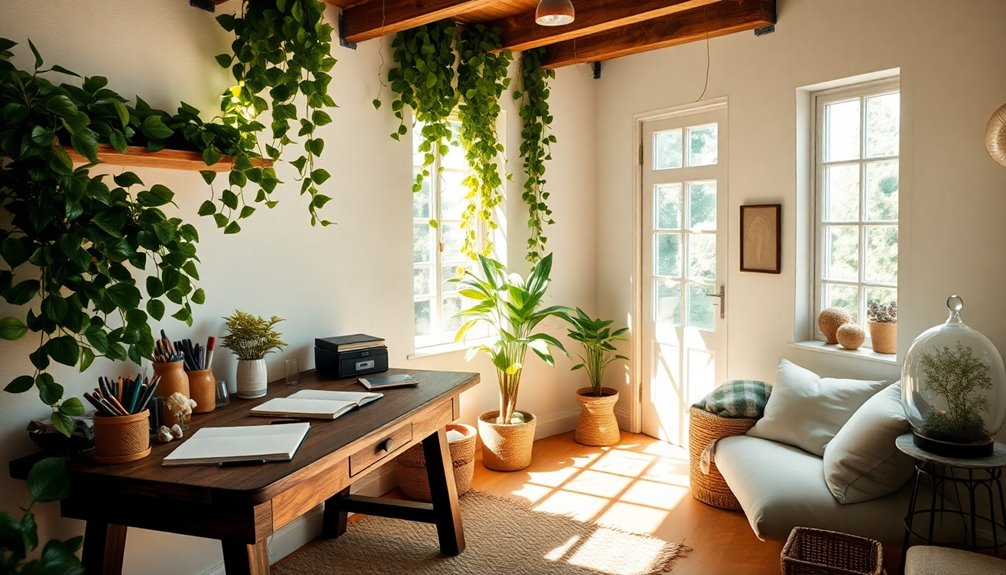
The “Evolved Habitats” mindset focuses on creating adaptable spaces that support your personal and collective growth. By designing physical environments that prioritize ergonomics, natural elements, and flexible layouts, you can enhance creativity and productivity. It is vital to cultivate a supportive mental atmosphere through strong connections and open collaboration. Mindful consumption and community engagement further enrich these environments. Discover how you can implement these principles to transform your space into a hub of inspiration and connection.
Understanding the Evolved Habitats Mindset

As you explore the Evolved Habitats Mindset, you’ll discover that it emphasizes adaptability and resilience in our living environments.
This evolved mindset encourages you to recognize how habitat evolution shapes your daily experiences. You’ll learn that your surroundings can either support or hinder your growth.
By embracing change and being open to new ideas, you can create spaces that reflect your values and aspirations. Each choice you make, from decor to organization, plays a significant role in fostering an environment that nurtures creativity and well-being.
Embrace change to shape spaces that embody your values and inspire creativity for a thriving environment.
Understanding this mindset helps you adapt to challenges and cultivate resilience, ensuring your habitat evolves alongside you. Integrating nature into living environments ultimately enhances your quality of life and empowers you to thrive.
Ultimately, it’s about making conscious decisions that enhance your quality of life and empower you to thrive.
The Importance of Physical Spaces for Growth
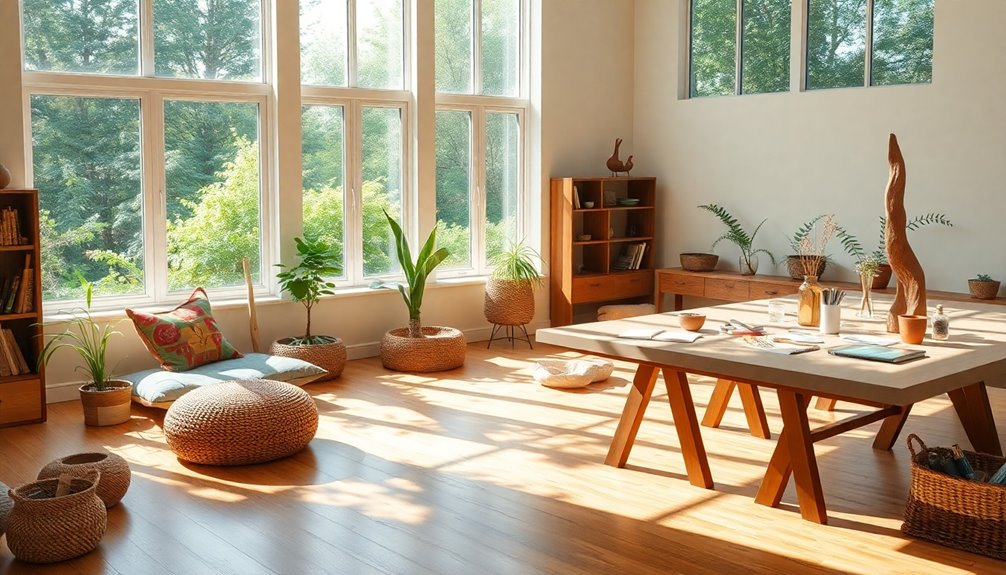
When you think about your environment, consider how the layout impacts your productivity.
Incorporating natural elements can boost your well-being, while flexible spaces spark creative thinking. Streamlining your closet can also contribute to a more organized and focused environment, enhancing your overall growth.
Let’s explore how these aspects play an essential role in your growth.
Optimizing Layout For Productivity
How can the layout of your workspace substantially impact your productivity? An optimized layout encourages focus and efficiency.
Start by incorporating ergonomic furniture; it not only boosts comfort but also reduces strain, keeping you energized throughout the day.
Next, consider space zoning—dedicating specific areas for different tasks can enhance workflow. For instance, create a quiet zone for deep work and a collaborative area for brainstorming sessions. This clear separation helps you switch gears more effectively, minimizing distractions.
Make sure your layout promotes natural movement, allowing you to shift smoothly between tasks.
Natural Elements Enhance Well-Being
An optimized layout not only boosts productivity but also sets the stage for incorporating natural elements that enhance well-being.
Emphasizing biophilic design and nature integration creates a harmonious environment that promotes tranquility and inspiration.
Consider how these elements can transform your spaces:
- Indoor plants: Improve air quality and provide a touch of greenery.
- Natural light: Elevate mood and create a sense of openness.
- Tranquility zones: Offer peaceful retreats for relaxation and reflection.
Flexibility Encourages Creative Thinking
While a static environment might stifle innovation, flexible physical spaces can ignite your creative thinking. When you have the freedom to rearrange your surroundings, you cultivate an atmosphere that fosters creative freedom.
This adaptability allows you to explore new ideas and approaches, enhancing your ability to think outside the box. Imagine transforming a dull workspace into an inspiring hub where collaboration thrives.
By incorporating movable furniture, open layouts, and cozy nooks, you encourage adaptive thinking. This dynamic environment not only stimulates your imagination but also promotes problem-solving and innovation.
Embrace these flexible spaces, and you’ll find that your creativity flourishes, leading to groundbreaking ideas and solutions. Your growth depends on how you design your surroundings—so make them work for you!
Cultivating a Supportive Mental Environment
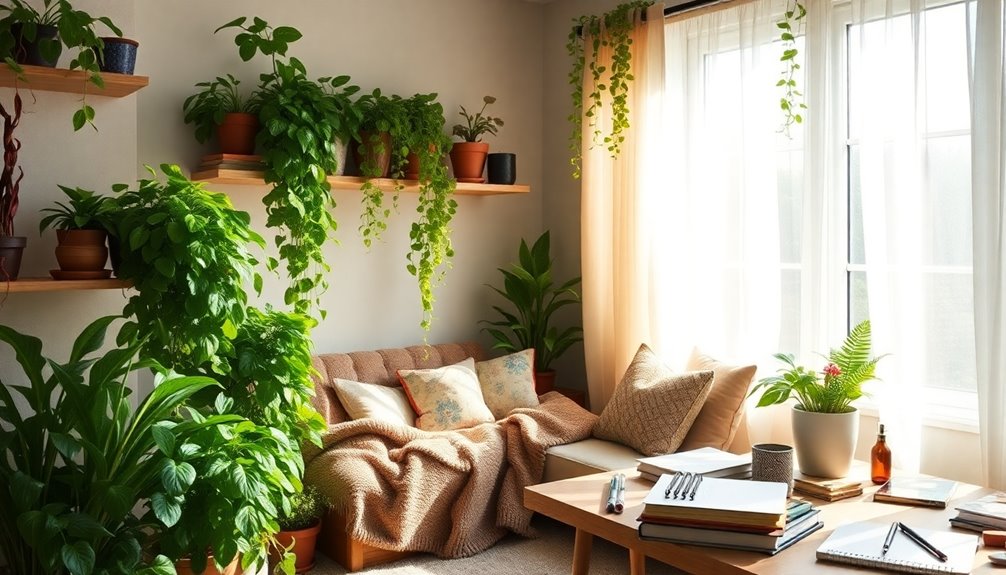
To truly cultivate a supportive mental environment, you need to embrace vulnerability and openness in your interactions.
Building positive relationships and encouraging continuous learning won’t only elevate your mindset but also enrich your community. Additionally, strong community ties boost life satisfaction beyond financial achievements, creating a space where everyone can thrive.
Embracing Vulnerability and Openness
Embracing vulnerability and openness can transform your mental environment into a more supportive space. By practicing vulnerability acceptance, you allow yourself to explore emotions without fear. This creates a fertile ground for growth and connection.
Imagine:
- Sharing your thoughts openly, feeling lighter with each word.
- Listening without judgment, creating a safe haven for ideas to flourish.
- Encouraging others to express their true selves, building a collective strength.
Openness benefits both you and those around you, fostering creativity and resilience. When you let down your guard, you cultivate a deeper understanding of yourself and others.
This supportive mental environment encourages everyone to thrive, creating a ripple effect of positive change.
Fostering Positive Relationships
How can you cultivate positive relationships that thrive in a supportive mental environment? Start with trust building, ensuring everyone feels safe and valued.
Use effective communication strategies and practice active listening to truly understand each other. Foster empathy development by encouraging team bonding activities that reveal shared goals.
Implement relationship mapping to visualize connections and identify areas for growth. Establish feedback loops that allow for open dialogue and conflict resolution, helping everyone navigate challenges together.
By enhancing emotional intelligence, you’ll create a culture where people feel respected and heard. Ultimately, these practices will empower your team, leading to stronger relationships and a more vibrant, collaborative environment.
Embrace these strategies and watch your connections flourish!
Encouraging Continuous Learning
Building strong relationships creates a solid foundation for encouraging continuous learning within your team.
When you foster a supportive environment, you open doors to valuable learning opportunities and skill development.
Here’s how you can cultivate this mindset:
- Create a safe space where team members feel comfortable sharing ideas and asking questions.
- Encourage collaboration through group projects, allowing everyone to learn from each other’s strengths.
- Recognize and celebrate achievements, reinforcing the importance of growth and development.
Strategies for Designing Inspiring Workspaces
When you prioritize a thoughtful workspace design, you set the stage for creativity and productivity to flourish.
Start by enhancing workspace aesthetics; use colors, textures, and lighting that inspire and energize. Incorporate flexible furniture arrangements that allow for various work styles, giving employees autonomy to choose how they work best.
Consider adding greenery or art to create a welcoming atmosphere that sparks ideas. Noise control is also essential; provide quiet zones for focus and collaborative areas for brainstorming.
Finally, invest in technology that supports both individual and team tasks, empowering your employees to thrive. Additionally, creating an environment that fosters mindful consumption can lead to greater overall well-being and productivity.
Encouraging Collaboration and Community Engagement
To foster a strong sense of community and collaboration, create spaces that encourage interaction among team members. This can be achieved through collaborative initiatives and engaging community workshops.
Fostering community and collaboration requires designing spaces that inspire interaction among team members through workshops and initiatives.
Consider incorporating:
- Open seating areas filled with comfortable furniture, inviting discussions and brainstorming sessions.
- Creative zones adorned with whiteboards and art supplies, where ideas can flow freely and visually.
- Social hubs featuring coffee stations and snack bars, promoting casual conversations and relationship-building.
Additionally, fostering strong social ties within these spaces can significantly reduce feelings of loneliness and empower individuals to face challenges collectively.
Overcoming Challenges in Creating Evolved Habitats
Creating evolved habitats can be challenging, especially as you navigate various obstacles like budget constraints and resistance to change. To overcome these design obstacles, you need to implement resilience strategies that adapt to your specific environment.
Start by identifying key stakeholders who can support your vision; their buy-in can help mitigate resistance. Focus on small, incremental changes that demonstrate the benefits of your ideas, making it easier for others to embrace the evolution.
Allocate resources efficiently and consider alternative funding options to address budget concerns. By fostering open communication, you can encourage collaboration and innovation, turning challenges into opportunities.
Embrace flexibility, learn from setbacks, and stay committed to your goal of creating spaces that promote growth and well-being. Additionally, adopting a less is more mindset can help streamline your design process and prioritize meaningful enhancements to the environment.
Measuring the Impact of Evolved Habitats on Growth
Understanding the impact of evolved habitats on growth is essential for justifying the changes you implement.
Conducting an impact assessment allows you to measure how well these habitats foster development.
You’ll want to focus on key growth metrics that reveal the benefits of your changes, such as:
- Increased employee engagement and satisfaction
- Enhanced collaboration and creativity among teams
- Boosted productivity and innovation rates
Additionally, fostering a growth mindset within your organization can further enhance resilience and adaptability in the face of challenges.
Conclusion
In embracing the “evolved habitats” mindset, you’re planting seeds for growth in both physical and mental spaces. Just as a garden flourishes with sunlight and care, your workspace can thrive with inspiration and collaboration. By intentionally designing environments that promote creativity and community, you’re not just building a place to work; you’re nurturing a vibrant ecosystem that fuels innovation and connection. So, cultivate your space, and watch your ideas blossom into something extraordinary.