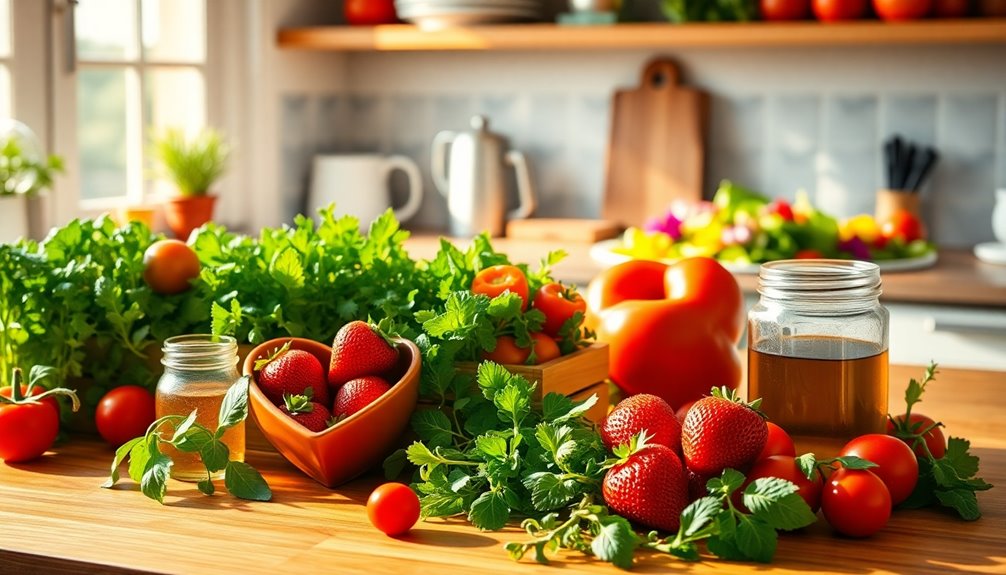
The Love Diet isn’t just about what you eat—it’s about how food connects to your emotions and well-being. It encourages you to savor flavors that resonate with your heart, transforming meals into heartfelt expressions. Mindful eating, understanding your emotional triggers, and creating a nourishing atmosphere enhance your relationship with food. By exploring culinary traditions and cooking together, you can deepen connections with loved ones. Discover how you can integrate love into your meals for a more fulfilling experience.
What Is The Love Diet?

The Love Diet is more than just a meal plan; it’s a holistic approach to nourishing your body and soul. It recognizes that food isn’t just fuel; it’s a form of expression.
The Love Diet transcends traditional meal plans, embracing food as a heartfelt expression that nourishes both body and soul.
Understanding your love language can transform how you view meals. For instance, if you connect through acts of service, preparing a meal for someone can deepen your bond. Food symbolism plays an essential role here; certain dishes evoke memories and emotions, making every bite meaningful.
By embracing the Love Diet, you’re not just eating; you’re creating connections. You’ll learn to savor flavors that resonate with your heart, fostering a deeper relationship with both food and those you share it with. This practice of embracing self-discovery is about nurturing love in every aspect of your life.
How Love Influences Our Eating Habits

Love can shape your eating habits in surprising ways.
Whether it’s emotional eating during tough times, sharing romantic meals, or the social influences from your partner’s preferences, these factors play a vital role in what you choose to eat. Recognizing that hidden struggles can affect emotional well-being may help you understand your dietary choices better.
Let’s explore how love impacts your diet and the choices you make every day.
Emotional Eating Triggers
When you feel a surge of affection, it’s not uncommon for your eating habits to shift alongside those emotions. Emotional triggers can lead to comfort foods becoming your go-to during moments of joy or sadness.
You might find yourself stress eating, reaching for nostalgia foods that remind you of good times. These food associations create strong emotional connections, making it easy to succumb to food cravings.
Social eating can amplify these feelings, as sharing meals with loved ones often brings comfort. However, it’s important to watch for binge eating tendencies that can arise from overwhelming emotions.
This can lead to food guilt, complicating your relationship with food and love. Recognizing these patterns helps you manage your emotional eating triggers effectively.
Romantic Meals and Choices
As you share a romantic meal with someone special, the atmosphere often transforms your dining choices, making you more inclined to indulge in decadent dishes.
Candlelit dinners inspire you to explore romantic recipes that elevate your culinary adventures. You might opt for aphrodisiac foods, like oysters or dark chocolate, to heighten sensory experiences.
Thoughtful food presentation becomes essential, turning each dish into a work of art. Flavor pairings create an unforgettable taste journey, while sweet surprises can spark joy and intimacy.
Whether you’re planning gourmet picnics or intimate dining at home, these moments encourage you to savor every bite, deepening your connection as you share not just food, but love itself.
Social Influences on Diet
How does being in a relationship change what you crave? Your food preferences can shift dramatically due to cultural influences and family traditions.
When you’re with someone, you might find yourself drawn to their favorite meals or dietary trends. Peer pressure at social gatherings can lead you to indulge in stress eating, especially if your partner enjoys comfort food.
Relationship dynamics also play a role; you may feel encouraged to try new dishes or adopt healthier habits for mutual emotional support.
Food marketing further shapes your choices, promoting shared experiences around food.
Ultimately, love can transform not just what you eat but how you view food, deepening connections through shared meals and culinary adventures.
The Importance of Mindful Eating

Why is mindful eating essential for your overall well-being? It’s about being present during your meals and truly experiencing what you eat.
When you engage in mindful meals, you pay attention to the textures, colors, and aromas of your food, which enhances your connection to it. This practice helps you savor flavors, making every bite more enjoyable.
By slowing down, you’re more likely to recognize your body’s hunger signals, preventing overeating and fostering healthier choices.
Mindful eating can also reduce stress and promote a positive relationship with food, allowing you to appreciate nourishment without guilt.
Ultimately, embracing this approach cultivates a deeper understanding of your eating habits and supports your physical and emotional health. Additionally, mindful practices like deep breathing before meals can create a calm shift for focus, enhancing your overall mindful eating experience.
Building a Nourishing Relationship With Food
Building a nourishing relationship with food means understanding its role in your life beyond mere sustenance. Embrace food gratitude by recognizing its impact on your well-being.
Engage in flavor exploration to discover diverse flavor profiles and seasonal eating that inspires your palate development. Experiment with culinary creativity through kitchen experiments and innovative cooking techniques.
Share recipes and set out on taste adventures featuring cultural cuisines, enhancing your cooking skills. Prioritize meal planning and ingredient sourcing for food sustainability, ensuring you enjoy nourishing meals.
Elevate food presentation to make mealtime special, creating taste memories. Participate in nourishment rituals that celebrate comfort food while fostering nutrition education. Additionally, practicing mindfulness during meals can enhance your enjoyment and awareness of the flavors and textures of the food you consume.
The Connection Between Self-Care and Nutrition
When you practice self-care, you’re not just taking time for yourself; you’re also making choices that nourish your body. Being mindful about what you eat can help you recognize emotional eating patterns and promote a healthier relationship with food. Embracing both self-love and self-care can further enhance your overall well-being and motivate you to make healthier choices. Let’s explore how these connections can transform your well-being.
Nourishing Your Body Mindfully
Nourishing your body mindfully goes beyond simply choosing healthy foods; it’s about cultivating a deeper connection with yourself through the choices you make.
When you prepare mindful meals, you engage all your senses, appreciating the colors, textures, and aromas of your ingredients. This practice helps you develop stronger food connections, allowing you to understand what truly nourishes you.
As you savor each bite, tune into your hunger cues and feelings of satisfaction. This awareness fosters a positive relationship with food, steering you away from mindless eating habits.
Prioritize self-care by making intentional choices that reflect your values and needs. Embrace this journey, and you’ll discover how nourishing your body mindfully can enrich both your health and your overall well-being.
Emotional Eating Awareness
Understanding emotional eating is essential, especially since it often masks deeper feelings or stressors. You might find yourself reaching for comfort foods during mood swings or stressful times, driven by an emotional connection rather than hunger.
These food cravings can be tied to cherished food memories or influenced by cultural factors. Recognizing how relationship dynamics affect your eating habits can help you identify patterns of stress eating.
Pay attention to your body image too; it can impact your emotional state and lead to unhealthy choices. By developing awareness of these connections, you can start prioritizing self-care and healthier nutrition, breaking the cycle of emotional eating and fostering a more balanced relationship with food.
How Emotions Affect Food Choices
Although you mightn’t realize it, your emotions play a significant role in the food choices you make daily. Emotional triggers, like stress or joy, can spark food cravings, often leading you to comfort foods that offer solace.
These choices are influenced by psychological factors and nutrition psychology, as your mind associates certain foods with mood regulation. For instance, when you’re feeling down, you might reach for snacks tied to positive memories or social bonding moments.
Relationship dynamics also shape your eating habits; sharing meals can reinforce health beliefs or unhealthy patterns. Understanding these food associations helps you navigate your emotional landscape and make more intentional choices, ultimately fostering a healthier relationship with food. Additionally, acknowledging feelings tied to past experiences can foster personal growth, allowing you to make more conscious food decisions.
Creating a Supportive Eating Environment
Your eating environment considerably impacts your food choices, especially when emotions are involved. To cultivate a supportive atmosphere, focus on your dining decor and create inviting spaces. Thoughtful meal presentation can enhance your dining experience, making healthy options more appealing. Encourage positive reinforcement through shared responsibilities in kitchen organization, so everyone feels invested in the process. Establish family rituals around mealtimes, fostering encouraging conversations that strengthen connections. Additionally, consider food accessibility; keep nutritious snacks within reach to promote healthier choices. Embracing mindful consumption can also support healthier eating habits by promoting intentional choices.
The Role of Shared Meals in Strengthening Bonds
Sharing meals with loved ones isn’t just about food; it’s a chance to bond and create lasting memories together. You’ll find that culinary traditions often spark connections, making each gathering special. Additionally, quality moments spent around the table can enhance relationship satisfaction and intimacy.
Bonding Over Shared Meals
When you gather around a table for a meal, it’s more than just satisfying hunger; it’s a powerful way to forge connections. Each shared dish sparks culinary adventures and invites flavor exploration, allowing you to discover new tastes together.
Engaging in kitchen collaboration fosters teamwork, enhancing your bond as you cook and create. Through recipe sharing, you can pass down food traditions and engage in meal rituals that become cherished memories.
As you experience diverse cultural cuisines, you form deeper taste connections with those around you. These dining experiences not only satisfy your palate but also strengthen relationships, making every meal an opportunity for palate discovery and shared joy.
Culinary Traditions and Connections
Gathering around the table becomes even more meaningful when you consider the rich tapestry of culinary traditions that accompany shared meals.
These shared traditions not only nourish the body but also strengthen bonds among loved ones. By indulging in regional cuisines and festive feasts, you foster connections through cultural flavors and culinary heritage.
- Family recipes passed down through generations
- Traditional dishes that evoke memories
- Food rituals that create a sense of belonging
- Communal dining experiences that enhance togetherness
Each meal becomes a celebration of cooking techniques and flavors that reflect your unique background.
As you share stories over the table, you weave a narrative of connection and love, reminding everyone of their place in this intricate culinary journey.
Creating Lasting Memories Together
Meals shared with loved ones can create unforgettable memories that linger long after the last bite. When you gather around the table, you engage in memory making activities that deepen your connections.
Each shared experience, whether it’s cooking a new recipe or enjoying a favorite dish, fosters intimacy and laughter. You reminisce about past meals, sparking joy and nostalgia, while creating new stories to tell.
The act of sharing food goes beyond nourishment; it’s a celebration of life’s moments. As you share meals, you build a tapestry of memories that strengthens your bond.
Tips for Cultivating Healthy Relationships
Cultivating healthy relationships requires intentional effort and genuine connection. You can enhance your bonds by focusing on key aspects that promote understanding and support.
Here are some tips to guide you:
- Practice active listening to grasp your partner’s feelings and communication styles.
- Establish relationship boundaries that respect individual needs while fostering shared values.
- Invest quality time together, ensuring you express appreciation gestures that resonate with each other’s love languages.
- Engage in conflict resolution discussions to build trust and emotional support during challenging moments. Regularly prioritizing quality time can significantly enhance relationship satisfaction and emotional well-being.
Balancing Indulgence and Healthy Choices
When it comes to enjoying your favorite foods, finding the right balance is key. You can practice mindful eating to savor each bite while incorporating healthy indulgence strategies that satisfy your cravings without guilt. Grounding practices can enhance your overall well-being, making it easier to make nourishing choices that support both your body and your taste buds. Let’s explore how you can make choices that nourish both your body and your taste buds.
Mindful Eating Practices
Mindful eating practices can transform the way you approach food, allowing you to savor indulgent treats without sacrificing your health. By focusing on mindful meals and embracing intuitive eating, you can create a balanced relationship with food.
Here are some tips to enhance your mindful eating experience:
- Slow down: Take your time to enjoy each bite, and notice the flavors and textures.
- Eliminate distractions: Turn off screens and focus solely on your meal.
- Listen to your body: Recognize hunger and fullness cues to guide your choices.
- Practice gratitude: Appreciate the food on your plate and the nourishment it provides.
Healthy Indulgence Strategies
Healthy indulgence strategies allow you to enjoy your favorite treats without compromising your well-being. Embrace guilt-free treats by experimenting with heart-healthy recipes that use seasonal ingredients and flavorful alternatives.
Focus on portion control and intuitive eating to savor every bite. Meal prep can help you create healthy swaps and snack ideas, making it easier to indulge smartly.
Try sharing desserts to explore taste combinations while enhancing food presentation. Use culinary creativity and cooking techniques to modify recipes with ingredient substitutions that boost nutrition.
Engage in food journaling to track your journey toward emotional wellness. With thoughtful flavor pairings and festive indulgences, you’ll find balance and joy in your eating habits.
Enjoy the process of taste exploration!
The Science Behind Food and Mood
Food influences your mood more than you might realize, as the nutrients you consume can directly affect brain function and emotional well-being.
Understanding the food chemistry behind this connection can help you make better choices for mood regulation.
Exploring food chemistry can empower you to make informed choices for enhancing your mood and emotional balance.
Consider these points:
- Dietary neurotransmitters like serotonin are influenced by what you eat.
- Serotonin foods can enhance emotional wellbeing and reduce food cravings.
- The brain gut connection shows how your gut health impacts mood and stress hormones.
- Your eating patterns can dictate appetite control and flavor experiences, influencing your overall mood.
Exploring the Impact of Stress on Eating
When stress hits, it often triggers changes in your eating habits, leading to either overeating or undereating. You might find yourself engaging in stress eating, reaching for comfort foods to soothe your emotions.
These food cravings often stem from a need for emotional regulation during anxious times. Instead of relying solely on unhealthy choices, consider incorporating mindful practices to enhance your coping mechanisms.
Focusing on stress reduction can help you develop healthy habits that support your overall well-being. Remember, indulging in your favorite treats can be a guilt-free experience when done mindfully.
How to Communicate About Food Preferences?
How can you effectively express your food preferences without causing awkwardness? Start by engaging in open food communication. Approach dietary discussions in a relaxed manner to avoid taste disagreements.
Effectively express your food preferences by fostering open communication and approaching discussions with a relaxed attitude.
Here are some tips for creating a preferences dialogue:
- Be honest: Share your culinary preferences and food sensitivities clearly.
- Stay flexible: Emphasize meal flexibility and be open to ingredient swaps.
- Use humor: Lighten the mood during meal negotiations to ease any tension.
- Encourage collaboration: Invite recipe sharing or taste testing to explore new cooking styles together.
The Benefits of Cooking Together
Cooking together not only creates delicious meals but also strengthens bonds between you and your loved ones. Engaging in kitchen teamwork lets you explore different cooking techniques and cultural cuisines, enhancing your culinary creativity.
As you collaborate on meal planning, you’ll enjoy the thrill of ingredient sourcing, choosing fresh produce together. Recipe sharing becomes a delightful experience, encouraging taste testing and experimentation with flavors.
This hands-on approach fosters open communication and trust, as you navigate challenges like food presentation and balancing tastes. Ultimately, cooking together transforms mealtime into a cherished ritual, deepening your connection while satisfying your cravings for both food and companionship.
Developing a Personalized Love Diet Plan
Creating a personalized love diet plan becomes an exciting journey when you consider your unique tastes and nutritional needs. By focusing on personalized nutrition, you can craft tailored meals that resonate with both your flavor preferences and your partner’s love language. This not only enhances meal planning but also strengthens your emotional connections.
Here are some key aspects to include in your plan:
- Identify dietary preferences and restrictions.
- Incorporate food rituals that celebrate your relationship dynamics.
- Explore various cooking styles to keep things fresh and engaging.
- Experiment with new flavors together to deepen your bond.
Conclusion
As you commence your journey with the Love Diet, remember that each bite can deepen your connection to yourself and others. You’re not just nourishing your body; you’re cultivating relationships and discovering the joy of mindful eating. What if the next meal you share could transform not just your appetite but your heart? The possibilities are endless, and the benefits await. Are you ready to embrace this delicious adventure and reveal the secrets of love through food?