
To cultivate a peaceful mind, embrace simple Zen practices like mindful breathing and daily meditation. Start by focusing on your breath to calm your thoughts, then incorporate mindful walking to connect with the present. You can also enjoy your meals with awareness, savoring each bite. Using daily affirmations reinforces a positive mindset and strengthens resilience. With consistent effort, you can make Zen a natural part of your life, leading to greater clarity and tranquility in everyday moments.
Understanding the Concept of Zen
Zen isn’t just a style of meditation; it’s a way of life that encourages you to embrace the present moment fully. At its core, Zen philosophy emphasizes simplicity and clarity, guiding you towards Zen mindfulness.
Through Zen meditation, you cultivate awareness and learn to appreciate the beauty of each moment. This practice fosters a deep sense of Zen presence, allowing you to find balance amidst chaos.
Zen teachings remind you to prioritize tranquility, letting go of distractions and stress. By integrating Zen simplicity into your daily routine, you create space for reflection and peace.
Embrace these Zen practices to enhance your overall well-being, grounding yourself in the here and now, where true fulfillment lies. Additionally, cultivating mindful breathing can significantly anchor you in the present moment and support emotional well-being.
The Benefits of Mindfulness in Daily Life
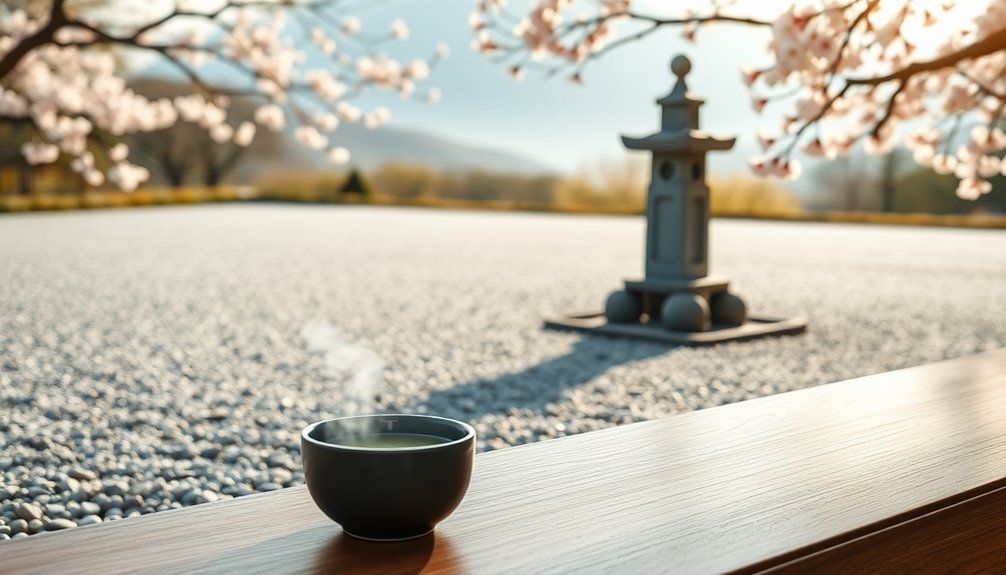
While life often pulls you in multiple directions, practicing mindfulness can help you regain focus and clarity. The mindfulness benefits are profound, offering daily practices that enhance your mental clarity and emotional balance.
By being present in the moment, you increase awareness of your thoughts and feelings, fostering self-compassion. This shift not only reduces stress but also improves your relationships as you engage more fully with others.
Being present cultivates self-awareness and compassion, reducing stress and enriching your connections with others.
When you cultivate enhanced focus, you tackle tasks more efficiently, leading to a sense of accomplishment. Mindfulness helps you cultivate a peaceful mind, allowing you to navigate daily challenges with greater ease.
Embrace these practices, and you’ll find a richer, more fulfilling life waiting for you.
Simple Breathing Techniques to Calm Your Mind
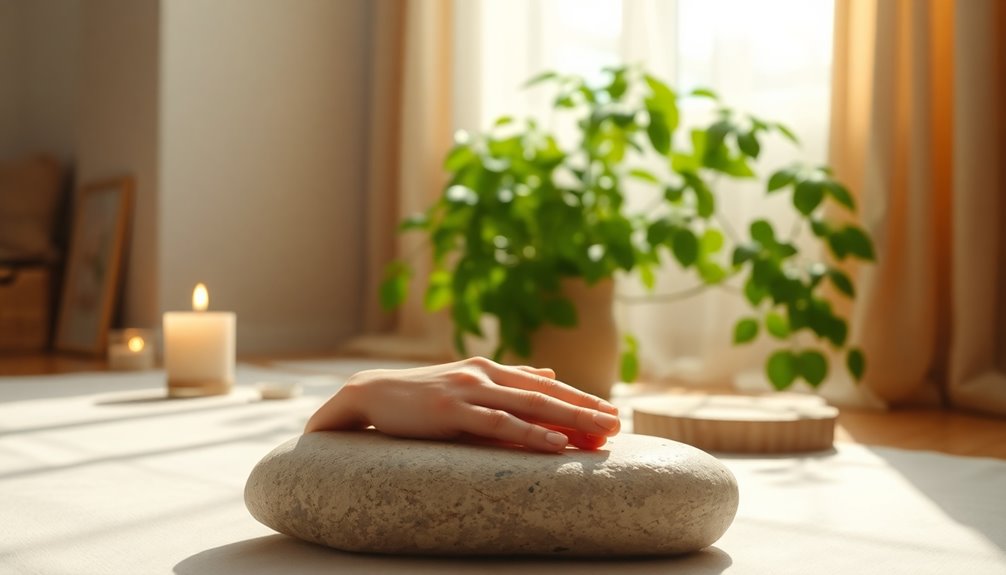
Breathing techniques can be powerful tools to calm your mind and enhance your mindfulness practice.
By exploring methods like diaphragmatic breathing, box breathing, and the 4-7-8 technique, you’ll find simple ways to reduce stress and regain focus. Regular practice of stillness can further deepen your ability to maintain peace and clarity during these techniques.
Let’s look at how each of these techniques can help you achieve a sense of peace.
Diaphragmatic Breathing Benefits
When you feel overwhelmed or anxious, practicing diaphragmatic breathing can be a simple yet powerful technique to calm your mind. This method encourages diaphragmatic relaxation, allowing your body to shift from stress to serenity.
By focusing on your breath awareness, you can ground yourself in the present moment.
Start by sitting comfortably, placing one hand on your chest and the other on your abdomen. Inhale deeply through your nose, letting your belly rise while keeping your chest still. Exhale slowly through your mouth, feeling your abdomen fall.
Repeat this for a few minutes. With each cycle, you’ll notice a decrease in tension and an increase in clarity, helping you navigate life’s challenges with a calmer mindset.
Box Breathing Technique
One effective technique to calm your mind is the box breathing method, which helps you regain focus and reduce anxiety. This simple practice encourages breathing rhythms that promote stress relief and emotional balance.
By engaging in box breathing, you can achieve mental clarity and a calm presence.
To practice box breathing effectively, follow these steps:
- Inhale deeply through your nose for a count of four.
- Hold your breath for another count of four.
- Exhale slowly through your mouth for four counts.
- Pause for a count of four before inhaling again.
Repeat this cycle several times to enhance your focus and achieve anxiety reduction.
Embrace the calmness that comes with each breath, and let it guide you to a more centered state.
4-7-8 Breathing Method
The 8 Breathing Method offers a straightforward way to calm your mind and enhance your focus. Start by finding a comfortable position.
Inhale deeply through your nose for a count of four, feeling your belly expand. Hold that breath for another count of four, creating a mindful pause. Exhale slowly through your mouth for a count of eight, allowing tension to release.
As you practice, cultivate breath awareness, noticing how each breath affects your body and mind. Repeat this cycle four times.
Focus on the rhythm of your breath to anchor your thoughts, pushing aside distractions. This simple technique can be a powerful tool in your daily routine, helping you find peace amidst chaos.
How to Practice Mindful Walking?
Mindful walking offers you a chance to connect with the present moment while reaping numerous benefits for your mind and body.
To get started, you can follow simple steps that enhance your awareness of each step you take.
With a few practical tips, you’ll discover how to immerse yourself fully in the experience. Engaging in mindfulness in nature can significantly enhance your overall sense of well-being.
Benefits of Mindful Walking
Walking can transform into a meditative practice that fosters awareness and presence. By adopting a mindful pace, you enhance your sensory awareness and deepen your connection to nature.
Mindful walking serves as a grounding technique, allowing you to appreciate the rhythm of your movement and sync your breath with each step.
- Cultivates body awareness through intentional movement
- Encourages inner dialogue and reflection
- Promotes interaction with your environment
As you engage in this practice, you’ll find a greater sense of peace and clarity. The simple act of walking becomes a pathway to mindfulness, helping you to navigate life with a more centered and calm perspective.
Embrace the benefits of this practice for a more tranquil mind.
Steps to Begin
Starting a mindful walking practice can be as simple as taking your first step with intention.
Begin your day with mindful mornings, setting a calm tone for the hours ahead. As you walk, focus on your breath and the sensations in your body. Feel each foot touching the ground, grounding you in the present moment.
You can incorporate zen rituals by choosing a tranquil path, surrounded by nature or a quiet space. Allow distractions to fade as you pay attention to your surroundings—the sights, sounds, and smells.
If your mind wanders, gently guide your focus back to your breath and steps. With each walk, you’ll cultivate a deeper connection to yourself and the world around you, enriching your mindfulness practice.
Tips for Deep Awareness
As you embrace the practice of mindful walking, incorporating a few simple techniques can enhance your experience. Focus on the present moment, tuning into your surroundings with mindful observation. Notice the textures and colors around you, engaging your sensory awareness.
- Pay attention to your breath and body movement, fostering non-judgmental awareness.
- Acknowledge your thought patterns and internal dialogue, practicing self-compassion when distractions arise.
- Listen actively to the sounds around you, allowing emotional recognition to flow naturally.
Incorporating Meditation Into Your Routine
Although it may seem challenging at first, incorporating meditation into your daily routine can transform your overall well-being.
Start your day with mindful mornings, dedicating just a few minutes to breath awareness and intention setting. Use meditation tools like apps to guide you through focus techniques or mantra practice.
Start your day with intention by dedicating a few minutes to breath awareness and guided meditation.
As the day winds down, embrace zen evenings by disconnecting from your devices for a digital detox. This quiet time enhances sensory awareness, helping you unwind and reflect.
Make meditation a daily ritual, even if it’s just for five minutes. Consistency is key; soon, you’ll notice increased calm and clarity in your life. Engaging in mindful practices can further deepen your meditation experience.
With patience, these small changes can lead to profound shifts in your mindset and overall peace.
The Power of Gratitude Journaling
Gratitude journaling can transform your daily routine by encouraging you to reflect on the positives in your life.
This simple practice helps you cultivate a positive mindset and enhances your emotional resilience.
When you focus on what you appreciate, you’ll notice a shift in how you approach challenges. Additionally, it can create an upward spiral of positivity and well-being that enhances your overall mental health.
Benefits of Daily Reflection
When you take a moment each day to reflect on what you’re thankful for, you release a powerful tool for personal growth. Daily journaling not only helps you recognize your blessings but also enhances your self-awareness benefits.
By acknowledging what matters most, you create a clearer picture of your values and priorities.
- Increases emotional resilience: Regular reflection helps you cope with challenges better.
- Enhances mindfulness: You become more present and attuned to your feelings and surroundings.
- Boosts overall happiness: Gratitude fosters a positive mindset, leading to improved well-being.
Incorporating these simple practices into your routine can transform your perspective and enrich your life, making daily reflection an essential part of your journey toward peace.
Cultivating Positive Mindset
Building on the benefits of daily reflection, cultivating a positive mindset can greatly enhance your overall well-being.
Start by integrating gratitude practices into your routine. Each day, jot down three things you’re grateful for, fostering emotional awareness and optimism cultivation.
Combine this with positive affirmations and self-compassion exercises to reinforce a supportive internal dialogue.
Mindset shifts often occur through visualization techniques—imagine your goals vividly, creating a path toward success.
Incorporate positive self-talk to combat negative thoughts, building resilience and inner peace.
These simple practices not only elevate your mood but also empower you to navigate life’s challenges with grace.
Embrace this journey; your positive mindset is a powerful tool for a more fulfilling life.
Enhancing Emotional Resilience
While you may face various challenges in life, practicing gratitude journaling can greatly enhance your emotional resilience. By regularly reflecting on what you appreciate, you develop emotional awareness and adaptive thinking. This simple act helps with emotional regulation and stress management, allowing you to cultivate self-compassion and positive reframing.
- Coping strategies: Identify what you’re grateful for, even in tough times.
- Resilience building: Strengthen your ability to bounce back from setbacks.
- Positive mindset: Shift your focus from negativity to the good in your life.
Incorporating gratitude journaling into your routine empowers you to navigate challenges with a more resilient, balanced mindset. Embrace this practice, and watch your emotional resilience grow.
Creating a Peaceful Space at Home
Start by choosing peaceful decor and calming colors that soothe your mind. Keep your space organized, minimizing clutter to enhance tranquility.
Choosing soothing decor and calming colors, along with minimizing clutter, creates a tranquil environment that nurtures peace of mind.
Incorporate natural elements, like indoor plants, to bring life and freshness into the room. Use minimalist furniture to maintain an open feel, allowing for quiet corners where you can retreat.
Soft lighting can create a warm atmosphere that invites relaxation. Don’t forget to add soothing scents, like essential oils or candles, to further enhance your zen experience. Additionally, engaging in mindful consumption when selecting decor and furnishings can contribute to a more sustainable and peaceful environment.
With these simple adjustments, you’ll find your home becomes a personal sanctuary, promoting peace and mindfulness in your daily life.
Using Nature to Enhance Your Zen Experience
Incorporating nature into your daily routine can deepen the sense of tranquility you’ve achieved at home. Engaging with the natural world enhances your Zen experience and connects you to its rhythms.
Here are a few ways to get started:
- Outdoor meditation: Find a quiet spot and immerse yourself in nature sounds, allowing them to guide your thoughts.
- Forest bathing: Spend time among trees, soaking in the botanical beauty and practicing earth grounding techniques.
- Mindful gardening: Cultivate plants mindfully, observing seasonal changes and the wildlife around you.
These practices not only calm your mind but also foster a deeper connection to the environment, enriching your Zen journey. Additionally, immersing yourself in nature lowers cortisol levels and promotes a sense of calm that counters daily stressors.
Embrace nature, and let it enhance your peaceful state.
Mindful Eating: Enjoying Every Bite
Mindful eating invites you to savor each bite, transforming meals into moments of meditation. As you engage in present consumption, focus on the mindful flavors dancing on your palate.
Cultivating sensory awareness enhances your experience, allowing you to appreciate each texture and aroma. Create eating rituals that encourage food gratitude; take a moment to reflect on where your meal comes from.
This practice deepens your connection to the food and enriches your taste exploration. By slowing down, you reveal culinary mindfulness, discovering joy in every bite.
Savoring moments becomes a celebration of life’s simple pleasures, reminding you that eating isn’t just about nourishment; it’s an art. Embrace this journey, and watch how it transforms your relationship with food.
Techniques for Staying Present in Conversations
Savoring each bite in mindful eating prepares you to engage more fully in conversations. To stay present, practice these techniques that enhance your connection with others:
Savoring each bite through mindful eating enriches your ability to connect deeply in conversations.
- Active Listening: Focus your attention on the speaker, avoiding distractions.
- Nonverbal Cues: Pay attention to body language, maintaining eye contact and open posture.
- Mindful Inquiries: Ask open-ended questions to deepen the conversation.
Incorporate conversation pauses to reflect on what’s being said, ensuring emotional attunement.
Use awareness exercises to ground yourself, fostering focused attention. Regular practice of mindfulness techniques can significantly enhance your ability to connect with others and respond empathetically.
By employing these presence techniques, you build a stronger connection and offer empathetic responses.
Daily Affirmations for a Positive Mindset
While daily affirmations may seem simple, they can profoundly shift your mindset and set a positive tone for your day. By incorporating affirmation techniques into your morning routine, you can cultivate a sense of empowerment and resilience.
Start with positive mantras that resonate with you, such as “I am capable” or “I embrace challenges.” Repeat these phrases aloud or write them down, allowing their meaning to sink in. You might also try visualizing your goals as you affirm these statements, reinforcing your belief in their possibility.
Consistency is key; make this practice a daily ritual, and watch how it transforms your outlook. Soon, you’ll find a more positive perspective shaping your thoughts and actions throughout the day. Additionally, these affirmations can enhance your emotional resilience by promoting self-compassion in the face of challenges.
How to Make Zen a Habit in Your Life?
Building on the positive mindset fostered by daily affirmations, making Zen a habit in your life can enhance your overall well-being.
By integrating Zen rituals into your daily routine, you’ll cultivate mindful habits that promote stress management and create a peaceful environment. Consistency practices are key to forming lasting change.
Integrating Zen rituals into your daily life fosters mindfulness and tranquility, essential for effective stress management and lasting change.
- Set daily intentions to focus your mind.
- Design your space with Zen aesthetics for tranquility.
- Dedicate time for routine integration of mindfulness, like meditation or deep breathing.
These steps help you embrace a Zen lifestyle, making it easier to find peace amidst life’s chaos. Additionally, engaging in gratitude can further enhance your emotional well-being and appreciation for the present moment.
With patience and persistence, you’ll weave Zen into the fabric of your everyday life.
Conclusion
As you embrace these simple practices, imagine the peace that could fill your mind. Each breath, each mindful step, and every bite can transform your day. But what if you let distractions slip away? Picture the clarity waiting for you just beyond the chaos. By making zen a habit, you’re not just changing your routine; you’re revealing a deeper sense of joy. Are you ready to discover the serenity that’s been waiting for you all along?