You can’t quit porn because it alters your brain’s reward system, releasing dopamine similar to substance addictions. This creates a cycle where cravings lead to compulsive behavior, affecting relationships and daily life. Emotional distress compounds feelings of guilt, making it harder to seek help. Your motivation to quit influences recovery, and building a support network can provide necessary encouragement. Discovering effective coping strategies to tackle triggers is crucial, and there’s more to uncover on this journey.
Understanding Porn Addiction: The Psychological and Physiological Impact
Understanding porn addiction involves recognizing its profound psychological and physiological effects on the brain and behavior.
Recognizing the psychological and physiological effects of porn addiction is crucial to understanding its impact on the brain and behavior.
When you engage in pornographic viewing, the brain’s dopamine release mimics the effects of substance use disorders, leading to compulsive behavior and increased tolerance over time.
This addiction can distort your views on sex and intimacy, fostering relationship issues and decreased sexual satisfaction.
You might find yourself trapped in a cycle of emotional distress, grappling with feelings of guilt and shame, which can exacerbate existing mental health disorders.
Approximately 5-8% of the adult population experiences porn addiction, highlighting its prevalence and significant impact on personal and social well-being.
Acknowledging these psychological and physiological impacts is essential for understanding your struggle. Practicing self-care can help mitigate some of the negative effects associated with this addiction.
Recognizing the Signs of Addiction and Its Effects on Daily Life
How can you tell if your porn habits have crossed the line into addiction? Recognizing the signs of addiction is vital.
If you find yourself engaging in compulsive behavior, such as repeated unsuccessful attempts to limit your viewing, you may be facing porn addiction. This often leads to negative impacts on your daily life, affecting work, school, and relationships, leaving you isolated and in emotional distress.
You might also experience physical issues like erectile dysfunction due to desensitization from excessive use. The cycle typically includes a craving to viewing, which only perpetuates the problem.
Additionally, the emotional and relational impacts of self-deprivation can further complicate addiction recovery, as overemphasis on others’ opinions may hinder your ability to seek support.
If you identify these signs, consider seeking help from a mental health professional who can guide you on your journey to recovery.
Finding Personal Motivation to Overcome Porn Use

To break free from porn, start by identifying your personal reasons for quitting. Think about how it could improve your mental health, strengthen your relationships, and help you regain control over your life. These benefits can fuel your commitment and motivate you to pursue a healthier path. Additionally, recognizing personal value can significantly enhance your self-compassion during this journey.
Identifying Personal Reasons
Identifying your personal reasons for wanting to quit porn can be a transformative step in overcoming addiction. Start by reflecting on the negative impacts porn has on your mental and emotional well-being, relationships, and self-esteem. Understanding these effects can fuel your commitment to breaking addiction cycles.
Document specific motivations like reclaiming control and fostering healthier connections; this record will reinforce your resolve during tough times. Remember, you’re not alone—about 5-8% of adults struggle with similar challenges.
Engage in discussions with trusted peers or support groups for encouragement and accountability. By identifying personal motivations, you’ll create a strong foundation for your recovery journey, making it easier to stay focused and committed to your goals.
Benefits of Quitting
Quitting porn not only frees you from the cycle of addiction but also opens the door to numerous emotional and relational benefits.
You’ll likely notice improvements in your emotional well-being, as feelings of guilt and anxiety diminish. Enhanced sexual satisfaction and intimacy in real-life relationships can deepen connections with partners.
Consider these benefits of quitting porn:
- Boosted self-esteem and a more positive self-image
- Development of healthier behaviors, increasing productivity in daily life
- A healthier perspective on sex, moving away from unrealistic expectations
Building a Support Network for Recovery
While overcoming porn addiction can feel isolating, building a strong support network is crucial for your recovery journey.
Engaging with recovery groups like Porn Addicts Anonymous provides a structured environment where you can share experiences and strategies. These groups foster emotional support, greatly reducing feelings of shame and isolation.
An accountability partner can help reinforce your recovery goals, offering motivation and regular check-ins that keep you focused on long-term abstinence.
Additionally, online communities can enhance your support network, connecting you with peers who understand your challenges. By actively participating in these networks, you’ll cultivate a sense of belonging and encouragement that’s essential for lasting change.
Moreover, supportive friends can significantly aid in coping through active listening, which can reduce stress during your recovery process.
Developing Healthy Coping Strategies to Manage Triggers
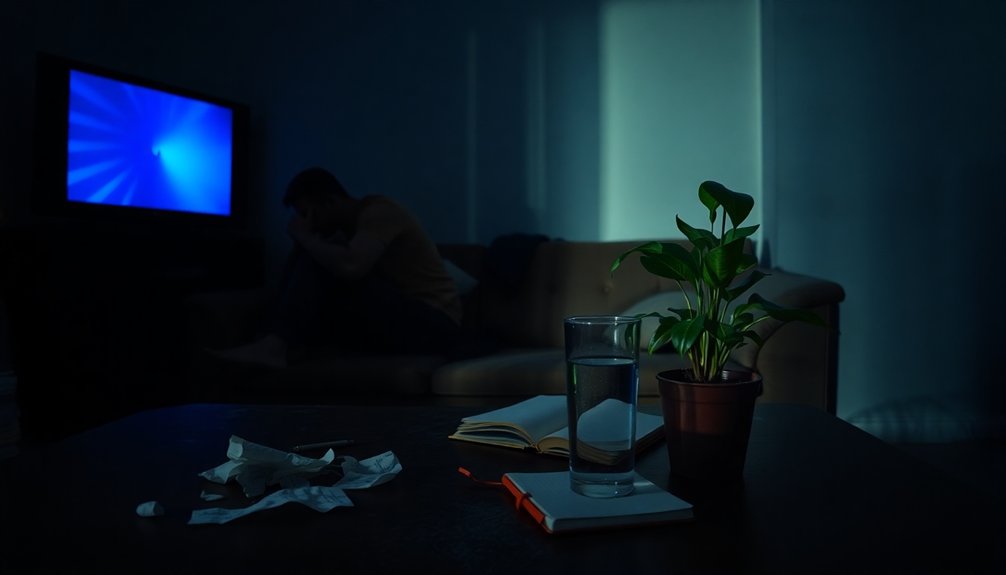
To effectively manage triggers that lead to cravings for porn, it’s essential to recognize and understand what sets them off. Developing tailored coping strategies can greatly aid your recovery journey.
Consider these approaches:
- Practice mindfulness: Techniques like meditation and deep breathing enhance emotional regulation, providing immediate relief during temptations.
- Engage in alternative activities: Redirect your focus through exercise or hobbies to reduce the likelihood of succumbing to urges.
- Establish a structured routine: Minimizing idle time creates a supportive environment, reinforcing resilience against triggers.
Incorporating deep breathing techniques can further assist in calming the mind during moments of intense craving.
The Role of Professional Help in Breaking Addiction Cycles
Recognizing the need for professional help can be a crucial step in breaking the cycle of porn addiction. Seeking professional help enables you to engage in addiction therapy, where therapists provide tailored strategies and support for underlying issues.
Cognitive Behavioral Therapy (CBT) is particularly effective for identifying and challenging self-sabotaging thoughts, facilitating healthier behaviors. With professional guidance, you can set realistic recovery goals and develop coping strategies essential for long-term success.
Addiction specialists offer extensive support, addressing co-occurring psychological conditions that may be linked to your addiction. Consistent therapy sessions create a safe space for discussing feelings and challenges, fostering accountability and motivation in your recovery journey. Embracing this support can greatly enhance your path to healing, as self-compassion and forgiveness play a vital role in overcoming emotional hurdles.
Conclusion
So, you thought quitting porn would be as easy as switching off a light, right? Ironically, the very thing that seems so enticing can end up holding you hostage. But don’t worry—breaking free is totally possible! By understanding your triggers, finding your motivation, and leaning on a support network, you can reclaim your life. Remember, every step you take is a victory, even if it feels like you’re stumbling through the dark. Keep going!