
To become a calming presence and radiate serenity, start by embracing mindfulness in your everyday life. Practice techniques like deep breathing and gratitude to enhance your emotional well-being. Engage in active listening to connect authentically with those around you. Create a serene environment that promotes peace and relaxation. Don’t shy away from vulnerability; it fosters strong, supportive relationships. By embracing these practices, you’ll cultivate a tranquil aura that others will appreciate. Discover more ways to enhance your calming presence.
Understanding the Essence of Calmness
When you embrace calmness, you tap into a state of tranquility that empowers you to handle life’s challenges with clarity and composure. This emotional stability nurtures serenity within, allowing you to respond rather than react. Engaging in mindfulness practices like meditation and deep breathing markedly enhances your ability to maintain calmness, especially in stressful situations. As you cultivate this inner peace, you not only improve your well-being but also create a positive influence on those around you. Research shows that a calm presence can foster a peaceful environment, encouraging others to adopt similar attitudes. Additionally, mindfulness practices such as meditation can significantly reduce overwhelming thoughts and promote mental clarity.
The Power of Mindfulness in Daily Life
Mindfulness can transform how you experience daily life by helping you stay present in each moment.
By cultivating awareness, you can turn routine activities into meaningful practices that reduce stress and enhance your focus. Incorporating deep breathing techniques into your mindfulness practice can further calm your mind and body, allowing you to navigate daily challenges with greater ease.
Let’s explore how integrating mindfulness into your everyday experiences can create a more fulfilling and calm existence.
Cultivating Present Moment Awareness
Cultivating present moment awareness can transform your daily life, allowing you to notice thoughts and feelings without judgment.
By engaging in mindfulness practices like deep breathing or mindfulness meditation, you can reduce stress and enhance your mental clarity. This shift toward the present moment helps you find peace, freeing you from worries about the past or future.
Incorporating mindfulness into your daily routine—whether through mindful eating or walking meditation—turns ordinary moments into opportunities for cultivating inner peace.
As you practice, you’ll notice a growing sense of calm and emotional balance, empowering you to navigate life’s challenges with resilience.
Embrace these techniques, and watch as your ability to stay centered in the present flourishes.
Transforming Daily Routines Mindfully
How can you transform everyday routines into moments of mindfulness? By infusing your daily activities with intention, you can cultivate peace and serenity.
Here are three ways to practice mindfulness:
- Mindful Breathing: Use techniques like the 4–7–8 method while doing chores or commuting. This promotes calmness and reduces stress.
- Gratitude Journaling: Shift your focus toward positivity by jotting down things you’re grateful for, enhancing your emotional resilience.
- Mindful Communication: Engage in active listening during conversations, deepening connections and creating a tranquil atmosphere.
Techniques for Cultivating Inner Peace
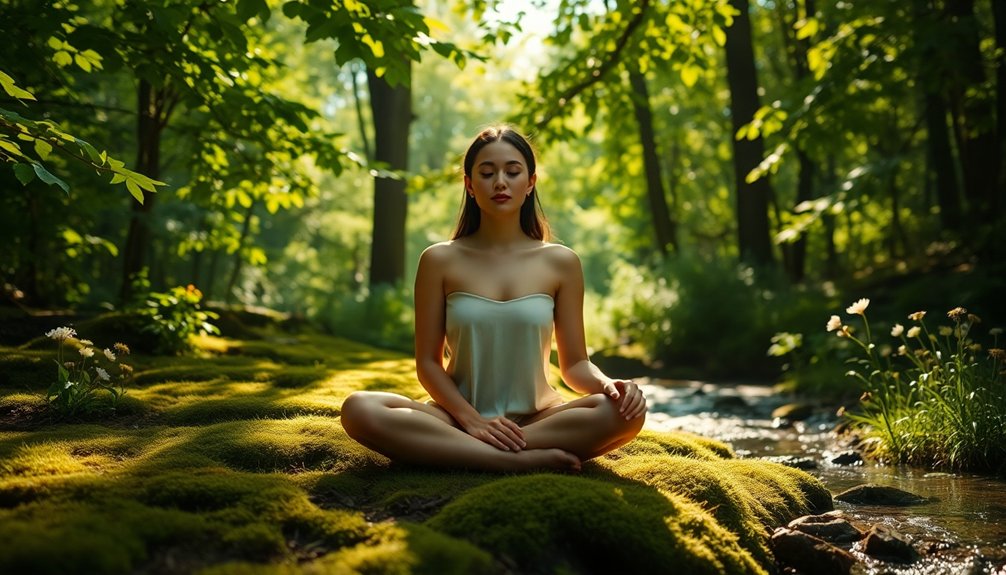
As you navigate the complexities of daily life, finding inner peace often feels elusive. To cultivate tranquility, start with mindfulness meditation for just 10 minutes a day, enhancing emotional regulation and mental clarity.
Incorporate deep breathing techniques, like the 4–7–8 method, to promote relaxation by slowing your heart rate and focusing your mind. Regular practice of progressive muscle relaxation can help you identify and release tension, fostering serenity.
Additionally, gentle yoga is a fantastic way to release muscle tightness, creating a stronger mind-body connection.
Finally, establish a daily gratitude practice to shift your focus from negativity, boosting overall well-being and inner peace. Engaging in mindfulness and stillness can further enhance your ability to appreciate life’s small joys, contributing to a more tranquil state of mind.
These techniques work together to help you radiate calmness in your daily life.
Active Listening and Empathy as Tools for Serenity
While guiding your daily interactions, embracing active listening and empathy can transform conversations into moments of serenity.
By focusing on these skills, you foster a calming atmosphere that nurtures understanding and connection. Here are three ways to enhance your practice:
- Maintain eye contact: This shows genuine interest, encouraging a peaceful environment where the speaker feels valued.
- Use affirming nods: Simple gestures can convey empathy, reducing mental stress for both you and the speaker.
- Incorporate mindful pauses: Allowing silence during a conversation promotes a serene exchange, enabling emotional well-being. Additionally, cultivating quiet confidence can further enhance your ability to connect with others in a meaningful way.
Creating a Supportive Environment for Others
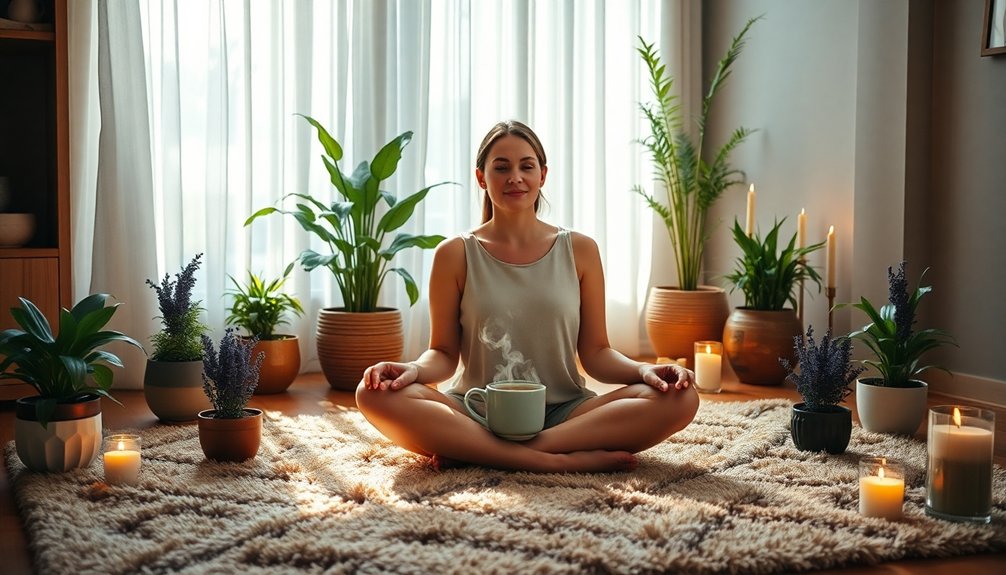
Creating a supportive environment starts with nurturing positive connections among individuals.
By fostering open communication, you make it easier for everyone to share their thoughts and feelings.
Additionally, incorporating calming spaces can help everyone recharge and find peace in their surroundings.
Offering emotional support during tough times can significantly enhance the overall atmosphere of care and understanding.
Nurturing Positive Connections
Nurturing positive connections begins with actively listening and validating others’ feelings, which not only fosters deeper relationships but also enhances emotional safety.
To create a supportive environment, you can:
- Practice Gratitude: Regularly express appreciation for those around you, making them feel valued and supported.
- Incorporate Mindfulness: Use mindful pauses during conversations to maintain a calm presence, promoting serenity in your interactions.
- Engage in Shared Activities: Participate in hobbies or community events together, strengthening bonds and enhancing your collective support network.
Establishing clear boundaries is also essential, as it guarantees mutual respect and helps both parties feel safe and understood.
Fostering Open Communication
Open communication thrives in an environment where individuals feel safe to share their thoughts and emotions without the fear of judgment.
By practicing active listening, you demonstrate empathy, validating others and contributing to a calming presence.
Encourage mindful pauses in conversations, allowing for reflection and thoughtful responses, which help in reducing misunderstandings and fostering deeper connections.
Use “I” statements instead of “you” statements to prevent defensiveness, making it easier for others to express their feelings and experiences openly.
Regularly checking in with those around you reinforces a supportive atmosphere, ensuring that everyone feels valued and connected.
Creating Calming Spaces
While you may not realize it, the environment around you plays an essential role in your emotional well-being.
Creating calming spaces can greatly enhance tranquility and reduce stress. Here are three key strategies to achieve that:
- Declutter: Remove visual distractions to promote mental clarity and create a peaceful environment.
- Use Soothing Colors: Incorporate soft pastels or earth tones in your decor to evoke feelings of calmness.
- Add Natural Elements: Integrate plants or water features to foster a serene atmosphere and recharge your mental energy.
Establishing quiet areas for relaxation or meditation allows you to retreat from daily chaos, supporting your overall sense of well-being.
Regular maintenance guarantees your space remains a grounding sanctuary.
Embracing Vulnerability and Authenticity
Embracing vulnerability is essential for building authentic connections, as it allows you to acknowledge and express your true feelings.
When you practice authenticity, you boost your self-esteem and enhance your emotional well-being. Sharing your personal struggles creates a safe space for others, fostering trust and understanding in your relationships.
This openness encourages empathy and compassion, allowing you to relate to others’ experiences on a deeper level. Additionally, being vulnerable strengthens your emotional resilience, equipping you to cope with stress and adversity more effectively.
By embracing this journey, you not only cultivate authentic connections but also create a supportive community where everyone feels valued and understood. In this way, vulnerability becomes a powerful tool for serenity and personal growth. Furthermore, nurturing friendships leads to mutual respect and understanding of silent struggles without needing words.
Conclusion
By embracing calmness, you don’t just transform your own life; you become a beacon of tranquility, radiating serenity like the sun spreads warmth on a frigid winter day. Your mindful presence can turn chaos into harmony, and your empathy can soothe even the most turbulent hearts. So, let your aura of peace envelop those around you, creating a ripple effect of calm that could rival the most serene landscapes. In doing so, you become a true master of serenity!