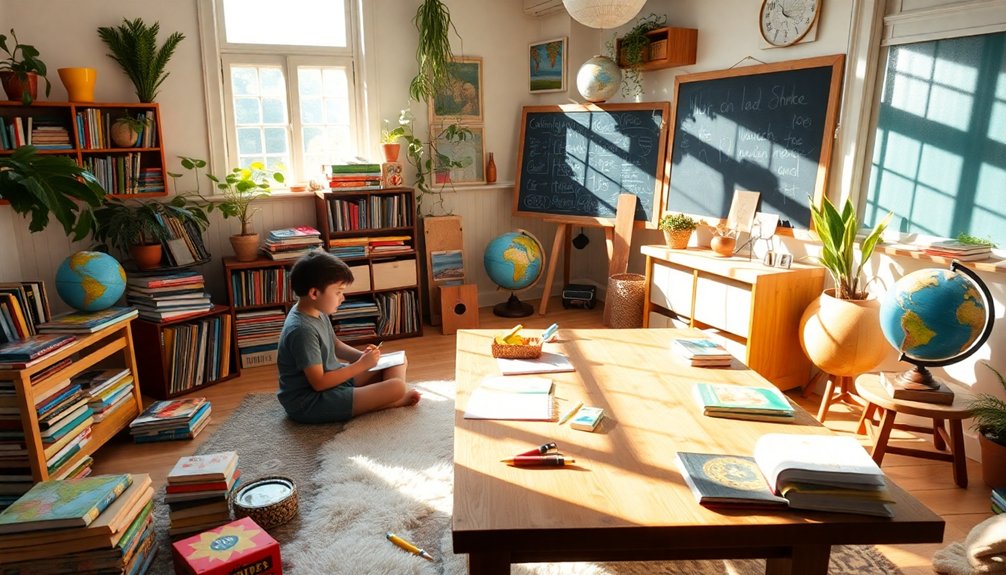
To unschool effectively, embrace your child’s innate curiosity and unique interests. Create a resource-rich environment filled with books, art supplies, and interactive opportunities. Support their self-directed learning by encouraging exploration and personal choices, fostering intrinsic motivation. Navigate challenges by keeping engagement high and building resilience, while nurturing social skills through shared experiences. As you foster these connections, you’ll uncover transformative ways of learning that truly resonate with your child’s spirit and curiosity.
Understanding the Philosophy of Unschooling
When you immerse yourself in unschooling, you’ll discover a philosophy that prioritizes your child’s natural curiosity and unique interests. This alternative education approach, coined by John Holt, emphasizes self-directed learning, allowing your child to explore their passions at their own pace.
By fostering intrinsic motivation, unschooling encourages a love for learning, free from the constraints of formal assessments and standardized curricula. Research shows that when children learn in supportive environments, their creativity flourishes, and they develop critical thinking skills essential for success.
You can empower your child to engage with their world, transforming everyday experiences into valuable lessons. Embrace this journey, and watch your child thrive in their pursuit of knowledge.
Creating a Resource-Rich Learning Environment
To create a resource-rich learning environment, you’ll want to gather diverse materials that spark your child’s interests, from books to art supplies. Incorporating interactive online classes and connecting with local unschooling groups can enhance their learning experience. Additionally, you can introduce community clean-up projects that not only teach responsibility but also promote environmental stewardship.
Diverse Learning Materials Available
Creating a resource-rich learning environment is essential for fostering a vibrant unschooling experience. Start by curating a diverse collection of books that align with your children’s interests. Encourage them to immerse themselves in reading books that spark their curiosity and passion.
Utilize free resources like Tatyanas’ 7 Step Blueprint to guide your unschooling journey without breaking the bank. Explore platforms like www.wonderwelllearning.com for online interactive classes tailored to their educational model.
Additionally, consider the Ultimate List of 199 Hobbies to inspire teens to discover new skills. Engage with communities such as the Mama Says Namaste Facebook Group to share experiences and gain valuable insights.
These authentic learning materials will deepen understanding and enhance retention in a self-directed learning context.
Interactive Learning Opportunities
Interactive learning opportunities can transform your unschooling experience into a dynamic adventure. By incorporating live online classes from platforms like www.wonderwelllearning.com, you can engage your children in immersive educational experiences.
Encourage them to explore diverse interests through hobbies, fostering self-discovery and deeper engagement with learning. Community-based resources, such as local homeschooling groups, provide hands-on projects and collaborative activities that promote social interaction and skill development.
Create a resource-rich environment by offering access to various materials and tools that stimulate curiosity. Don’t forget to include technology, like video games that enable collaborative play, which can enhance communication, problem-solving, and creativity.
With these interactive learning opportunities, your homeschooling journey will be both enriching and fulfilling.
Community Learning Connections
While building a resource-rich learning environment, you’ll discover that a diverse array of materials and experiences can ignite your child’s curiosity and passion for learning.
Engaging with community resources like museums, libraries, and nature centers fosters experiential learning, connecting knowledge to real-world applications.
Explore online platforms offering live interactive classes or hobby-focused websites to align with your child’s interests.
Joining homeschooling groups or co-ops creates a supportive network where you can share resources, advice, and experiences, enriching your unschooling journey.
Encourage your child to explore their passions through projects and discussions, giving them ownership of their education.
This approach not only cultivates independence but also inspires deeper exploration and self-directed education.
Fostering Intrinsic Motivation in Learners
To foster intrinsic motivation in learners, start by encouraging their personal interests. Create supportive environments where they feel free to explore and make choices about their learning paths. This approach not only sparks curiosity but also leads to deeper engagement and understanding. Additionally, incorporating gratitude practices into their learning can enhance their emotional well-being and promote a positive mindset.
Encouraging Personal Interests
Many learners thrive when they’re encouraged to pursue their personal interests, as this approach fosters intrinsic motivation. When education connects to what they love, children engage more deeply and retain knowledge better.
It’s essential to let them choose their learning paths, empowering them with a sense of autonomy that nurtures lifelong learning habits. Instead of simply memorizing facts, they’ll learn to read and understand subjects on a deeper level, leading to mastery.
Creating Supportive Environments
Creating a supportive environment is essential for fostering intrinsic motivation in learners, as it allows them to explore their interests freely.
Here are four key elements to reflect on:
- Freedom of Choice: Let learners choose their paths, enhancing engagement and knowledge retention.
- Trusting Relationships: Build safe, trusting connections between facilitators and learners to encourage exploration.
- Peer Collaboration: Facilitate discussions among peers, allowing them to share insights and learn from one another.
- Diverse Resources: Incorporate community activities, online classes, and hands-on projects to respect each child’s unique set of passions.
Encouraging Exploration and Diverse Interests
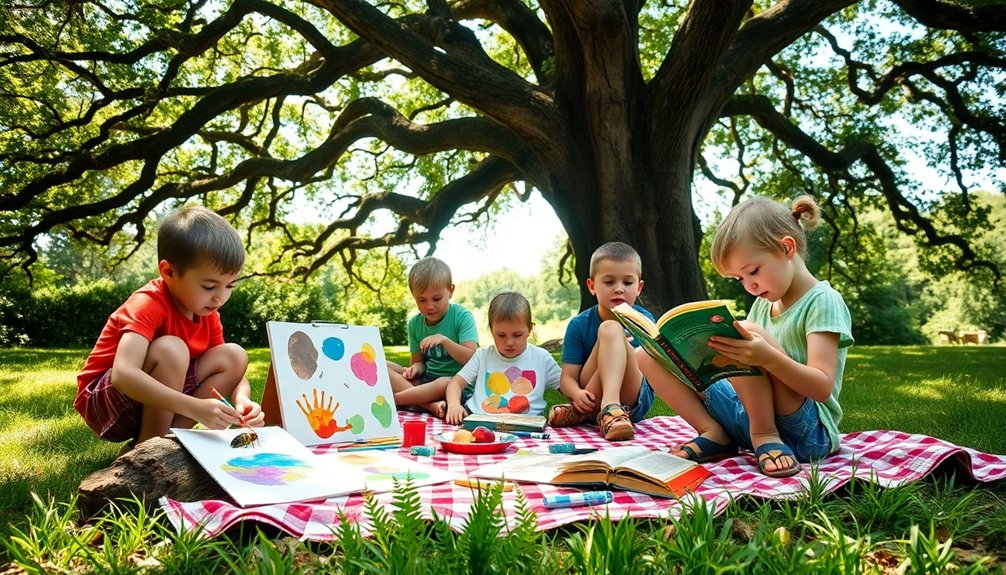
Exploration fuels a child’s natural curiosity and can ignite a lifelong passion for learning. By encouraging exploration, you allow your child to pursue their passions, fostering intrinsic motivation and deepening their knowledge.
Exposing them to diverse interests—like art, science projects, or outdoor adventures—contributes to their holistic development and emotional intelligence. This process often leads to self-discovery, helping them identify their values and passions while honing critical thinking and decision-making skills essential for success.
Providing access to resources such as online classes or hobby lists to inspire new experiences is crucial for maintaining engagement. Additionally, encourage your child to share their discoveries within a community, as this fosters collaboration, communication, and social skills, enriching their learning journey and building strong relationships with peers. Regular breaks can also enhance focus and creativity during exploration.
Navigating Challenges in Self-Directed Learning
While shifting to self-directed learning can be liberating, it often comes with its own set of challenges. Here are some common hurdles you might face:
Shifting to self-directed learning brings freedom, but also challenges that can test your resolve and adaptability.
- Initial Disengagement: Moving away from structured learning can lead to boredom and disinterest.
- Motivation Issues: Finding intrinsic motivation may take time as you adjust to this new approach.
- Time Management: As unschoolers, you’ll need to self-regulate your time, which can be tricky at first.
- Role Shift: Parents should shift from authoritative figures to supportive consultants, allowing for autonomy without pressure.
Embrace these challenges as part of the journey. Success motivators can play a crucial role in maintaining your momentum and overcoming these obstacles.
Connecting with fellow unschoolers can provide valuable support and strategies to enhance your self-directed learning experience.
Building Connections Through Shared Experiences
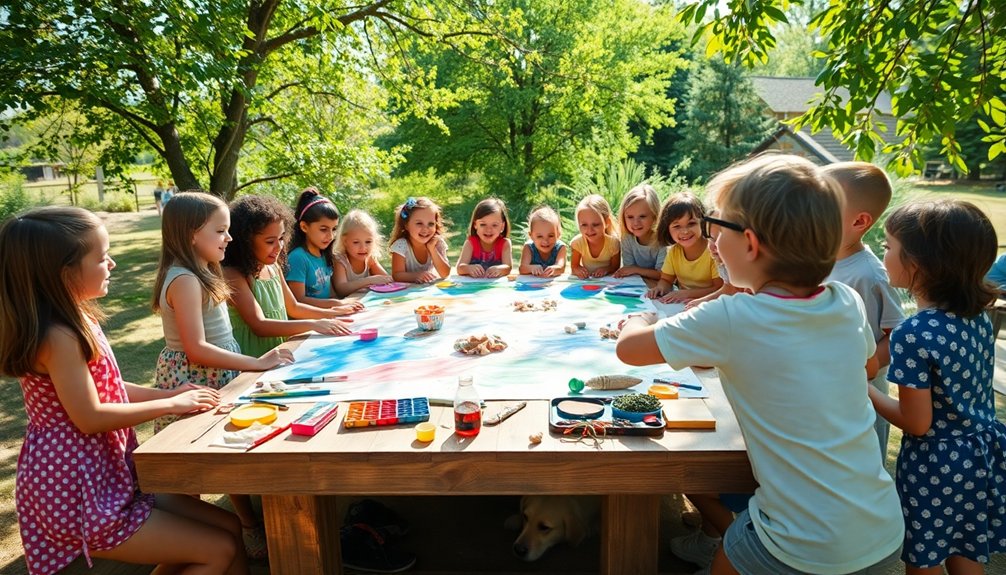
Building connections through shared experiences is essential for fostering a sense of community among unschooling families. Engaging in activities like outdoor play or collaborative projects helps children develop social skills and teamwork.
When your child participates in writing fairy tales or hands-on science projects, they not only explore their interests but also deepen relationships with peers. The freedom to choose activities and the safety agreements within unschooling groups encourage kids to take ownership of their learning experiences, enhancing their autonomy.
You can also strengthen your bond with your child by sharing interests, like playing video games together. This creates connections that enrich family relationships and builds a supportive network, making the journey of self-directed education a shared adventure. Additionally, embracing self-compassion and self-love fosters a positive learning environment, encouraging children to feel confident in their pursuits.
Conclusion
In the grand adventure of unschooling, you’re not just a guide; you’re a treasure map leading your learner to the golden riches of knowledge! With every resource you provide and every spark of curiosity you ignite, you’re crafting a domain where every day feels like an exciting quest. Sure, challenges may pop up like dragons, but together, you’ll soar over them, discovering wondrous new territories of learning that’ll make even the most magical fairy tales jealous!