
Taking on a 30-day clean eating challenge transforms your relationship with food. You’ll discover the power of whole, unprocessed foods and how they boost energy, stabilize mood, and enhance mental clarity. Setting realistic goals and planning meals helps you stay on track, while learning to manage cravings and navigate social situations strengthens your resolve. This journey fosters a deeper connection with your body and mind. And there’s so much more to uncover about the benefits and challenges you’ll face.
What Is Clean Eating and Why Does It Matter?
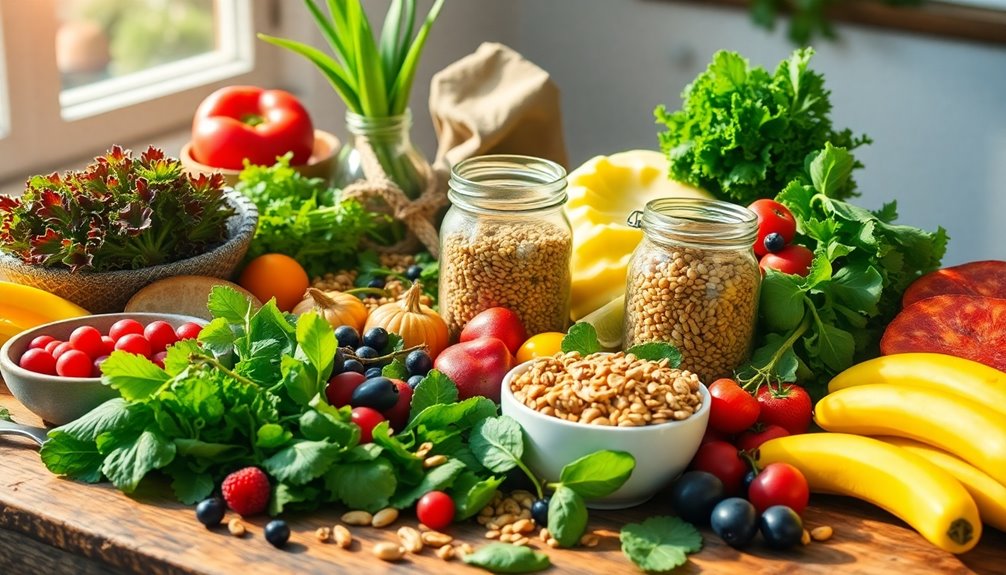
When you think about clean eating, it’s more than just a trendy diet; it’s a lifestyle choice that prioritizes whole, unprocessed foods.
By focusing on clean food, you embrace nutrient density and mindful eating, leading to numerous health benefits. Choosing whole ingredients over processed foods helps you maintain a balanced diet, ensuring your body gets the vitamins and minerals it needs.
Reading food labels becomes essential, allowing you to make informed decisions about what you consume. Additionally, practicing portion control and making sustainable choices can enhance your dining experience.
Ultimately, clean eating empowers you to nourish your body while cultivating a deeper connection with what you eat, promoting overall well-being and a healthier future. This journey also encourages self-compassion and forgiveness as essential components for a sustainable lifestyle change.
My Motivation for Taking on the 30-Day Challenge

Determination fuels my commitment to the 30-Day Clean Eating Challenge. You’ve likely got various motivation sources driving you, whether it’s the desire for health benefits or tackling emotional triggers.
Setting personal goals pushes you to rethink your diet, while the prospect of lifestyle changes excites you. Surrounding yourself with support systems, like friends or family, strengthens your resolve.
Having accountability partners makes it easier to stay on track, reminding you that you’re not alone in this journey. You envision not just short-term success, but a long-term vision of a healthier you.
This challenge isn’t just about food; it’s about transforming your relationship with what you eat and fostering a mindset that prioritizes well-being. Practicing gratitude enhances mental well-being and can motivate you throughout this transformative process.
Setting Realistic Goals for the Clean Eating Journey

As you begin the 30-Day Clean Eating Challenge, setting realistic goals can greatly enhance your experience. Start with clear goal setting that aligns with your lifestyle.
Focus on gradual changes rather than drastic shifts; this helps maintain realistic expectations. Consider tracking your progress daily to stay motivated and accountable. An accountability partner can provide support and encouragement, boosting your commitment.
Use motivational strategies like self-reflection to understand your journey, and celebrate milestones, no matter how small. Implement reward systems that recognize your efforts, making the process enjoyable.
Incorporating mindfulness practices can also help you stay focused and present during your clean eating journey.
This mindset shift not only fosters a positive attitude toward clean eating but also reinforces your dedication to long-term health. Remember, every small step counts in this journey!
The Importance of Meal Planning and Preparation
Meal planning and preparation are game changers in your clean eating journey. By organizing your meals ahead of time, you’ll save precious hours during the week, guarantee balanced nutrition, and keep your grocery bills in check. Additionally, incorporating whole foods like grains into your meals can enhance nutritional value and variety.
Let’s explore how these strategies can make your 30-day challenge smoother and more effective.
Time Management Benefits
While juggling a busy schedule, you might find that effective meal planning and preparation can greatly streamline your week. By dedicating time for meal prep, you enhance your time allocation, ensuring you prioritize healthy choices without scrambling at mealtime.
This approach not only boosts your productivity but also reduces stress, allowing you to focus on other important tasks. As you optimize your schedule, you’ll experience efficiency gains, making it easier to stick to your clean eating goals.
Routine enhancement brings consistency, leading to better habits over time. Overall, by investing in meal planning, you’re not just eating better; you’re improving your lifestyle, boosting your focus, and managing your priorities more effectively.
Nutritional Balance Achieved
Achieving nutritional balance becomes easier when you plan and prepare your meals in advance. By setting aside time each week to create a menu, you can guarantee you’re hitting all your nutritional needs.
Meal prep helps you master portion control, reducing the temptation to overeat. Plus, with a focus on nutritional timing, you can align your meals and snacks around your daily activities, maximizing energy and recovery.
When you know what you’re eating, you can choose whole, nutrient-dense foods that fuel your body. This intentional approach not only simplifies your life but also keeps cravings in check.
Ultimately, planning and preparation lay the groundwork for a balanced diet, making it easier to stick to your clean eating goals.
Cost-Effective Grocery Shopping
Grocery shopping on a budget doesn’t have to be a challenging task. Start by planning your meals for the week. This helps you create a focused shopping list, preventing impulse buys.
Look for budget-friendly recipes that utilize affordable ingredients, making it easier to stick to your budget. Incorporate seasonal produce into your meals; it’s fresher, tastier, and often cheaper.
Visit local farmers’ markets or grocery stores to find deals on in-season fruits and vegetables. Don’t forget to buy in bulk when possible, as this can save you money in the long run.
Exploring New Ingredients: What Did I Discover?
As you immerse yourself in this 30-day clean eating challenge, you might find yourself discovering a treasure trove of new ingredients that can elevate your meals.
Exploring new grains like quinoa or farro introduces unique textures and nutrient density to your dishes. Exotic spices from local markets can transform simple recipes, offering bold flavor pairings you’ve never tried before.
Seasonal produce not only tastes fresher but also encourages you to experiment with different cooking techniques. You might also encounter alternative sweeteners that satisfy your sweet tooth without the guilt.
Incorporating more plant-based options can enhance food textures, making your meals more satisfying. Each discovery enriches your culinary journey and inspires creativity in the kitchen. Embracing mindful eating habits fosters a deeper appreciation for the ingredients you choose.
How to Navigate Cravings During the Challenge
While you begin this clean eating journey, cravings can sneak up on you, tempting you to stray from your goals. Identifying craving triggers is essential.
Practice mindful eating to understand your body’s true needs. When cravings hit, try healthy swaps—like swapping chips for veggie sticks with hummus.
If emotional eating strikes, use distraction techniques; go for a walk or read a book. Snack alternatives, such as nuts or fruit, can satisfy without derailing your progress.
Remember portion control—enjoy small amounts of your favorite treats occasionally. For craving management, focus on stress relief techniques like deep breathing or meditation. Practicing self-compassion during moments of weakness helps to foster resilience and maintain your commitment to clean eating.
Finally, enhance flavors with herbs and spices to keep meals exciting and curb those cravings effectively.
The Role of Hydration in Clean Eating
Staying hydrated is essential for your clean eating journey. Water not only supports your overall health but also enhances nutrient absorption, helping you make the most of the foods you eat. Additionally, maintaining proper hydration can aid in emotional regulation, which is vital for managing stress and anxiety during lifestyle changes. Let’s explore some easy tips to keep your hydration levels up throughout the challenge.
Importance of Water Intake
Hydration plays an essential role in clean eating, not just for your body’s basic functions but also for maximizing the benefits of the nutritious foods you consume. Proper water intake supports electrolyte balance, helping you feel energized and focused.
To improve your drinking habits, consider various water sources like herbal teas or infused waters as exciting water alternatives. Always listen to your thirst signals and aim for daily hydration goals to keep your body functioning effectively.
Don’t fall for hydration myths that suggest you only need water during workouts; consistent intake throughout the day is vital. Use hydration tips like carrying a water bottle to guarantee you stay on track.
Hydration and Nutrient Absorption
When you prioritize hydration, you enhance your body’s ability to absorb essential nutrients from the clean foods you eat.
Effective hydration strategies, like incorporating water-rich foods, can help boost your electrolyte balance and improve your overall digestive health.
Understand the importance of nutrient timing; drinking water before meals can signal your body to prepare for digestion.
Beware of hydration myths that suggest you only need water when you’re thirsty—your thirst signals mightn’t always indicate your hydration needs.
Utilize hydration hacks, like adding a pinch of salt to your water, to optimize absorption.
Tips for Staying Hydrated
How can you guarantee you’re drinking enough water throughout the day? Start by setting clear water goals to track your intake.
Use hydration reminders on your phone to stay accountable. Incorporate hydration hacks like carrying a reusable water bottle or keeping infused waters on hand for a tasty twist.
Pay attention to your thirst signals, as they’re your body’s way of asking for hydration. Consider seasonal hydration; in hot months, you’ll need more fluids to maintain your electrolyte balance.
Try adding fruits or herbs to your water for flavor, making it easier to drink more.
Finally, keep a hydration tracking app to monitor your progress and stay on top of your goals. Cheers to a more hydrated you!
Balancing Macronutrients: What Did I Learn?
While diving into the world of clean eating, you quickly realize that balancing macronutrients is essential for overall health and energy. You’ll learn to adjust your macro ratios, ensuring a healthy mix of proteins, fats, and carbs.
Focus on nutrient timing; eating the right foods at the right times can enhance your energy levels. Incorporating meal diversity keeps things interesting—explore various protein sources like legumes or lean meats.
Pay attention to fat types and carb quality, choosing healthy fats and whole grains. Portion control becomes critical, helping you manage your intake effectively.
Don’t forget fiber intake, which is fundamental for digestion. Whether you lean towards vegan options or paleo choices, finding the right balance will elevate your clean eating journey. Additionally, embracing mindful eating habits can support a healthier relationship with food.
The Impact of Clean Eating on My Energy Levels
Clean eating can transform how you feel every day. You’ll likely notice a boost in your energy levels, sharper mental clarity, and improved stamina during workouts. Additionally, embracing stillness in daily routines can further enhance these changes and promote overall wellness. Let’s explore how these changes can enhance your overall wellness.
Increased Daily Energy Levels
As you commence on a journey of clean eating, you might notice a remarkable boost in your daily energy levels. By incorporating energy-boosting foods like fruits, vegetables, and whole grains, you’ll fuel your body effectively.
Daily energy hacks, such as optimizing your morning routines and practicing mindful eating, can enhance your overall wellness. You’ll also find that nutrient timing plays an essential role; eating the right foods before and after workouts can create exercise synergy, enhancing your performance.
Plus, clean eating positively impacts sleep quality, allowing you to recover better. Don’t forget to use stress management techniques to keep your energy steady throughout the day.
Embracing these practices will leave you feeling revitalized and ready to tackle whatever comes your way.
Enhanced Mental Clarity
Nutrition plays an essential role in enhancing mental clarity. When you switch to clean eating, you’ll likely experience a significant clarity boost.
Improved brain health leads to better mental focus and cognitive benefits, making decision making feel more effortless. You might notice a productivity enhancement in your daily tasks, as clean foods fuel your brain effectively.
Incorporating mindfulness practices can further elevate your emotional stability, reducing stress levels and promoting a calm mindset.
As you nourish your body with wholesome ingredients, you may also enjoy a creativity increase, allowing fresh ideas to flow more freely.
Embracing this lifestyle can transform not just your energy levels, but your overall mental landscape. Clean eating truly nurtures your mind.
Improved Physical Stamina
When you embrace a clean eating lifestyle, you’ll likely notice a remarkable boost in your physical stamina. As you fuel your body with whole foods, packed with nutrients, you’ll experience significant stamina improvement.
Instead of feeling drained after a workout, you’ll find yourself energized and ready to tackle more challenges. Clean eating can lead to an endurance boost, allowing you to push through longer runs or intense gym sessions.
You’ll recover faster, too, thanks to the vitamins and minerals from fruits, veggies, and lean proteins. As your body adapts to this new fuel, you’ll feel lighter and more agile, making every movement easier and more enjoyable.
This transformation can redefine how you approach your daily activities and fitness goals.
How Does Clean Eating Affect Mood and Mental Clarity?
How can clean eating transform your mood and boost mental clarity? By making better food choices, you can stabilize mood swings and enhance emotional stability.
Clean foods improve gut health, which is essential for serotonin levels—your body’s natural mood lifter. When you focus on nutrient-dense meals, you reduce energy fluctuations, keeping your energy levels steady throughout the day.
This consistency allows for sharper cognitive function, helping you think more clearly and focus better. Additionally, clean eating promotes stress reduction, which further supports a positive mindset.
The connection between what you eat and how you feel is powerful; by prioritizing wholesome foods, you’ll likely notice a significant improvement in your overall mood and mental clarity. Moreover, incorporating mindfulness practices into your daily routine can further enhance your emotional well-being and mental clarity.
Overcoming Social Situations While Staying Committed
Social situations can be tricky when you’re committed to clean eating, but you can navigate them with confidence.
By communicating your dietary choices clearly and seeking out healthy alternatives, you won’t feel left out.
Let’s explore some strategies to help you stick to your goals while enjoying time with friends and family.
Navigating Social Gatherings Gracefully
Maneuvering through social gatherings can feel intimidating, especially when you’re committed to clean eating. To navigate these situations gracefully, focus on mindful eating and make smart drink choices.
Opt for water or sparkling alternatives instead of sugary cocktails. When it comes to party snacks, don’t hesitate to suggest recipe swaps with healthier options; you might inspire others.
If peer pressure arises, remember your goals and lean on social support from friends who respect your choices. Mastering dining etiquette is essential; politely decline less healthy options and offer food swaps instead.
Communicating Dietary Choices Effectively
You’ve navigated social gatherings and made mindful choices, but communicating your dietary preferences can still be tricky. Start with effective messaging that clearly explains your choices.
Use family discussions to foster support and encourage understanding. When faced with questions, focus on health advocacy; share why these choices matter to you. Engaging in mindful conversations can help others appreciate your journey.
Don’t shy away from recipe sharing—this can spark interest and show how delicious clean eating can be. Remember cultural considerations; different backgrounds may influence perspectives on food.
Finding Healthy Alternatives Easily
While attending gatherings can pose challenges, finding healthy alternatives helps you stay committed to your clean eating goals.
Start by suggesting healthy swaps for common snacks, like veggie sticks instead of chips. Use ingredient substitutions in your own dishes, such as Greek yogurt for sour cream.
Experiment with flavor enhancements, like herbs and spices, to make your meals exciting without extra calories. Employ cooking techniques like grilling or steaming to keep meals light and delicious.
Don’t forget portion control; smaller plates can help manage servings. Embrace meal diversity by incorporating seasonal choices into your recipes.
Finally, keep a few quick recipes on hand for last-minute situations—they’re often budget-friendly and satisfying, making it easier to stick to your plan.
Tips for Sustaining Clean Eating Beyond 30 Days
Although completing a 30-day clean eating challenge is an impressive feat, maintaining those healthy habits can be just as essential for long-term wellness.
Start by meal prepping weekly to simplify your routine. Keep a grocery list handy to avoid impulse buys and plan your meals.
Explore snack ideas that align with your clean eating goals, and practice portion control to prevent overeating.
Embrace mindful eating by savoring each bite, and consider recipe swaps to keep things interesting.
Utilize food swaps for healthier alternatives and stick to budgeting tips to make clean eating affordable.
Finally, engage with community support for motivation and track your habits to stay accountable.
These strategies will help you sustain your clean eating journey beyond 30 days.
Reflecting on the Biggest Challenges I Faced
Reflecting on the challenges I faced during the 30-day clean eating challenge reveals just how tough it can be to break old habits. You’ll likely encounter emotional challenges, especially when cravings hit hard.
Managing those cravings requires dedication and creativity, pushing you to explore recipe experimentation and meal variety. Social pressure can complicate things, particularly when dining out with friends.
You may feel motivation dips, making it hard to stay on track. Involving your family can help, but they mightn’t always share your goals.
Understanding food labeling becomes essential, too, as it helps you make informed choices. Thankfully, community support can be a game-changer, providing encouragement and accountability throughout the journey.
Celebrating Success: How Do I Feel After 30 Days?
Completing the 30-day clean eating challenge fills you with a sense of accomplishment and renewed energy. You’ve not only embraced progress but also cultivated gratitude for your body and the food it thrives on.
Here’s how you feel:
- Celebrating milestones: Each healthy meal is a victory.
- Daily reflections: You’ve gained insights into your eating habits.
- Sharing experiences: You’re enthusiastic to inspire others in your community.
- Building habits: These new choices are becoming part of your lifestyle.
As you look back, you recognize the power of fostering community. You’ve found inspiration in the journey, and it’s clear this isn’t just a month-long challenge; it’s a step toward a healthier, happier you.
Keep this momentum going!
Conclusion
As you wrap up your 30-day clean eating journey, you’ll find a newfound sense of strength and satisfaction. Embrace the vibrant vegetables, savor the simple snacks, and celebrate the scrumptious success you’ve achieved. By continuing to cultivate your commitment, you’ll create a colorful canvas of health and happiness. Remember, this isn’t just a month—it’s the beginning of a bountiful lifestyle filled with delicious discoveries and delightful choices. Keep nourishing your body, and let your journey unfold!