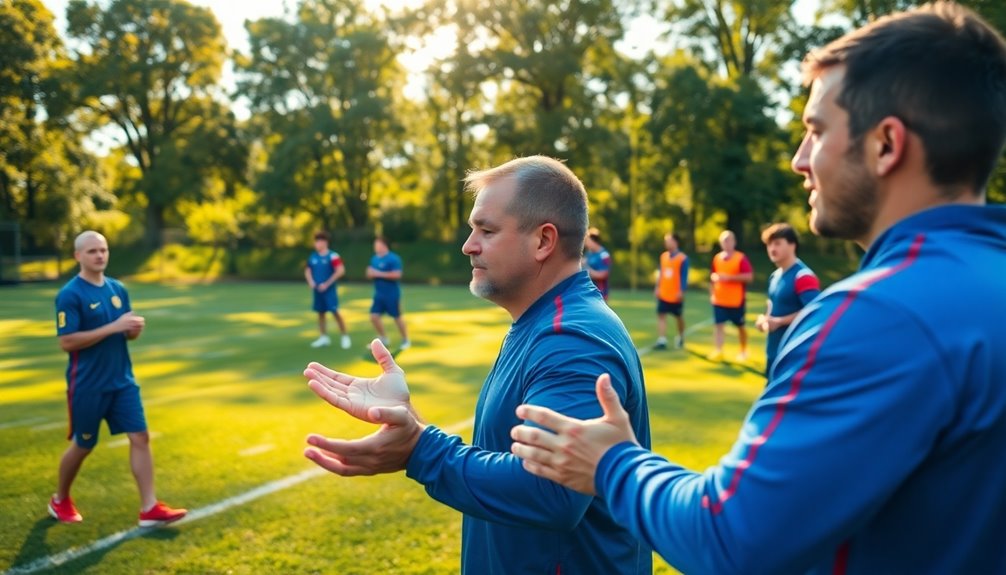
To enhance your performance, start with focus drills that sharpen your concentration and mindfulness. Recognize common distractions, like noise and technology, and apply techniques to minimize them. Use deliberate practice and feedback loops to track progress and set achievable goals. Incorporating breathing exercises can ground your attention, while team-based drills foster collaboration. By implementing these strategies, you’ll improve your skill acquisition and overall focus. You’ll find even more useful techniques that can elevate your practice just ahead.
Understanding the Importance of Focus in Practice

Focus is essential when you practice, as it directly impacts your progress and performance.
To enhance your attention skills, adopt effective focus strategies that sharpen your mental clarity. Concentration techniques can help you manage distractions, ensuring you stay engaged in your practice routines.
By incorporating cognitive training into your sessions, you’ll tackle focus challenges head-on, boosting your overall performance enhancement. Experiment with various engagement methods to find what keeps your mind sharp.
Whether you use timers, breathing exercises, or visualization, staying committed to these strategies will make a significant difference. Additionally, practicing mindful breathing can help ground you in the present moment, further enhancing your ability to concentrate.
Common Distractions That Affect Performance

Even with strong focus strategies in place, distractions can still creep in and derail your practice. You might encounter various distraction types, from environmental factors like noise to technology interruptions that draw your attention away.
These distractions can greatly affect your performance, reducing your attention span and hindering your ability to concentrate. Mental clutter often accumulates, making it tough to stay present.
Emotional triggers, such as anxiety or stress, can also divert your focus, impacting your overall effectiveness. Additionally, fatigue effects can leave you feeling less alert, further complicating your ability to maintain focus. Recognizing these common distractions is essential for developing strategies to manage them, ensuring you get the most out of your practice sessions. Incorporating mindfulness practices can help you stay grounded and present, reducing the impact of distractions on your performance.
How Do Focus Drills Enhance Skill Acquisition?

Enhancing your skills requires deliberate practice, and focus drills play an essential role in that journey. By targeting specific skills, these drills help manage cognitive load and improve your attention span. They facilitate skill transfer, allowing you to apply what you learn in various contexts.
Through goal setting and consistent feedback loops, you can track your progress and adjust your strategies. Additionally, focus drills can reduce performance anxiety by building confidence through mental rehearsal. They also teach you distraction management techniques, enhancing your ability to self-regulate during practice.
However, be mindful of focus fatigue; balance intensity with recovery to maintain peak performance. In the end, effective focus drills guarantee your skill acquisition is both efficient and enjoyable. Furthermore, incorporating mindfulness practices can sharpen your focus and enhance self-discipline during these drills.
The Role of Mindfulness in Concentration
**
Mindfulness can greatly boost your concentration by training your mind to stay present. By incorporating simple techniques like focused breathing or body scans, you can enhance your ability to concentrate during practice. Additionally, practicing mindful pauses can help you regain control and improve attention, enriching your overall focus and performance.
Benefits of Mindfulness Practice
While distractions seem to multiply in our fast-paced world, practicing mindfulness can greatly boost your concentration.
The mindfulness benefits extend beyond just focus; they include stress reduction and emotional regulation, helping you manage overwhelming feelings. As you engage in self-awareness techniques, you’ll experience enhanced awareness of your thoughts and surroundings, leading to improved resilience in challenging situations.
This practice also fosters cognitive flexibility, allowing you to adapt and respond more effectively. With increased creativity, your problem-solving skills will flourish, leading to better decision making.
Ultimately, mindfulness cultivates mental clarity, sharpening your focus and enabling you to fully engage in your tasks. Incorporating mindfulness into your routine can transform your ability to concentrate and thrive in any environment.
Techniques for Enhanced Focus
To boost your concentration, incorporating specific techniques can make a significant difference in your daily routine.
Start by practicing mindfulness through focused breathing or short meditation sessions. These concentration techniques enhance mental clarity and support attention management.
Implement focus strategies like the Pomodoro Technique, which encourages short bursts of work followed by brief breaks, aiding distraction reduction.
Engage in cognitive exercises such as puzzles or memory games to sharpen your focus further.
Additionally, use engagement methods like setting clear goals for each practice session, ensuring you stay on track.
Breathing Techniques to Improve Focus
Breathing techniques can greatly enhance your focus, especially when distractions abound. By incorporating specific methods, you’ll find it easier to maintain concentration.
Here are four effective techniques:
- Diaphragmatic Breathing: Engage your diaphragm with deep inhalation to maximize oxygen intake, promoting relaxation and focus.
- Rhythmic Breathing: Establish a steady rhythm with your breaths; this helps anchor your attention.
- Breath Counting: Count each breath to maintain breath awareness and eliminate distractions.
- Calming Exhalations: Focus on long, calming exhalations to release tension and enhance clarity.
Integrating these strategies into your routine can lead to improved focus, allowing you to tackle tasks with greater ease and efficiency. Additionally, practicing mindfulness and self-compassion can help manage overwhelming noise and promote calm.
Visualization Exercises for Better Performance
Visualization exercises can markedly enhance your performance by training your mind to envision success. By incorporating mental imagery into your routine, you boost focus and motivation.
Use visualization methods to picture yourself executing skills flawlessly; this cognitive rehearsal can lead to real-world performance enhancement. Engage in imagery training before practice, allowing your mind to rehearse scenarios you’ll face.
Focus techniques, like imagining successful outcomes, strengthen your concentration strategies, making you more resilient under pressure. Try focus exercises that involve visualizing specific movements or plays to deepen your connection with the task.
The more vividly you can see it, the more likely you’re to achieve it. Start integrating these visualization strategies into your practice for improved results. Additionally, embracing a growth mindset can help you view challenges as valuable learning opportunities, further enhancing your performance.
Setting Clear Goals for Each Practice Session
Building on the mental clarity gained from visualization exercises, setting clear goals for each practice session can greatly enhance your focus and effectiveness.
Enhancing focus and effectiveness in practice sessions starts with the mental clarity gained from visualization exercises and clear goal setting.
By defining specific practice session objectives, you align your energy and attention. Here are some goal setting strategies to contemplate:
- Be Specific: Clearly define what you want to achieve.
- Make It Measurable: Set benchmarks to track your progress.
- Keep It Realistic: Confirm your goals are attainable within the session’s timeframe.
- Set a Timeframe: Allocate a specific duration to each objective.
Additionally, regularly reviewing and adjusting your goals allows you to adapt to changing circumstances, enhancing your overall performance and professional growth.
The Pomodoro Technique: Time Management for Focus
While you focus on achieving your practice goals, the Pomodoro Technique can be a game changer for managing your time effectively. This method involves breaking your work into 25-minute intervals, called “Pomodoros,” followed by short breaks.
You’ll find that the Pomodoro benefits include increased concentration and reduced mental fatigue. By using time blocking, you allocate specific periods for focused work, allowing you to tackle tasks without distractions.
When a Pomodoro ends, take a five-minute break to recharge. After four Pomodoros, enjoy a longer break of 15-30 minutes.
This structured approach not only enhances your focus but also helps you track progress, making it easier to stay motivated and engaged during your practice sessions. Additionally, embracing effective time management techniques can further optimize your productivity and ensure that you make the most of each practice session.
Engaging the Senses: Multi-Sensory Focus Drills
To sharpen your focus, try engaging multiple senses during your practice. Visual stimulation techniques can enhance your concentration, while auditory engagement activities help keep your mind alert. Mixing these approaches not only makes practice more enjoyable but also boosts your overall performance. Additionally, embracing the present can amplify your ability to concentrate and fully engage in each experience.
Visual Stimulation Techniques
Visual stimulation techniques are essential for enhancing focus during practice. By engaging your senses, you can improve attention spans and boost mental clarity. Here are some effective methods:
- Visual Cues: Use bright colors or symbols to draw attention and aid distraction management.
- Imagery Techniques: Visualize successful outcomes to enhance focus and reduce cognitive load.
- Perception Training: Regularly practice identifying subtle visual changes to strengthen attention shifting skills.
- Sensory Integration: Combine visual cues with physical movements to improve focus enhancement and overall performance.
Incorporating these techniques will help you develop stronger focus and better handle distractions, ultimately leading to a more productive practice session.
Auditory Engagement Activities
Engaging your auditory senses can markedly enhance focus during practice sessions. Incorporate auditory cues like rhythmic patterns to create a structured environment.
Use music selection that aligns with your goals, ensuring it promotes concentration. Listening exercises can sharpen sound awareness, helping you discern subtle differences in tones and pitches.
Integrate vocal commands to guide yourself or your team, reinforcing focus through clear instructions. Establish noise control to minimize distractions, allowing for immersive listening experiences.
Utilize auditory feedback for instant evaluations, making adjustments as needed. By actively engaging your auditory senses, you cultivate an atmosphere where focus thrives, enhancing overall performance and learning.
Embrace these strategies to transform your practice into a dynamic, focused experience.
Incorporating Music to Enhance Concentration
While many people underestimate the power of music, incorporating it into your focus drills can greatly enhance concentration. By carefully selecting music types, you can create an environment conducive to focus.
Here are some tips:
- Musical Tempo: Choose tracks with a steady tempo to maintain your pace.
- Rhythm Patterns: Look for consistent rhythm patterns that keep your mind engaged without distraction.
- Lyrical Themes: Opt for instrumental pieces or songs with minimal lyrics to avoid losing focus on tasks.
- Soundscapes: Explore ambient soundscapes that promote relaxation and concentration.
Consider creating focus playlists tailored to your preferences, integrating genre selection that resonates with you. Additionally, using music can lower cortisol levels, which is beneficial for promoting overall mental clarity and reducing stress.
Use auditory cues effectively, and watch your concentration soar!
Team-Based Drills: Fostering Collective Focus
To boost collective focus, team-based drills can create a dynamic environment where collaboration thrives. By incorporating collaborative strategies, you enhance team dynamics and foster a sense of group accountability.
Start with communication exercises that encourage open dialogue, followed by trust building activities to strengthen relationships. Role rotation allows everyone to experience different perspectives, promoting empathy and understanding.
Start with communication exercises to foster open dialogue, then engage in trust-building activities that enhance relationships and promote empathy through role rotation.
Integrate feedback loops to guarantee continuous improvement, and address conflict resolution to maintain harmony. Align your team around shared objectives, ensuring everyone is working towards common goals.
These practices not only sharpen focus but also cultivate a cohesive unit that can tackle challenges together, ultimately leading to greater success in your endeavors.
Using Technology: Apps for Focus and Mindfulness
In today’s fast-paced world, using technology can help you sharpen your focus and enhance mindfulness.
With a variety of mindfulness apps, focus timer applications, and guided meditation tools available, you’ve got plenty of options to choose from.
Let’s explore how these tools can support your practice and boost your concentration.
Mindfulness Apps Overview
As you immerse yourself in the world of mindfulness, you’ll discover a range of apps designed to sharpen your focus and enhance your mental clarity.
Here are some key aspects to reflect on:
- Mindfulness Benefits: Regular use can improve your emotional well-being and concentration.
- App Comparisons: Look for user experiences to evaluate effectiveness ratings and feature highlights.
- Daily Practices: Many apps offer tailored routines to help with habit formation and tackle focus challenges.
- Meditation Styles: Explore various techniques and integration techniques to find what resonates with you.
Focus Timer Applications
While focusing can sometimes feel like an uphill battle, focus timer applications can be your secret weapon in reclaiming mental clarity. These apps provide valuable focus timer benefits, like improved productivity and structured work sessions.
You can set specific intervals, helping you break tasks into manageable chunks. Many focus timers also include features like customizable sounds and progress tracking, allowing you to fine-tune your experience.
By using techniques such as the Pomodoro Technique, you can maintain your attention and take regular breaks, enhancing your overall performance.
With these tools at your disposal, staying on task becomes much easier, and you’ll find yourself achieving your goals with less stress and more satisfaction. Embrace technology and watch your focus improve.
Guided Meditation Tools
Guided meditation tools can transform your focus and mindfulness practice, making it easier to center your thoughts.
Utilizing technology, you can enhance your sessions and find mental clarity. Consider these effective apps:
- Guided Imagery: Visualize calming scenes to reduce stress and enhance sensory awareness.
- Attention Training: Engage in exercises that improve your concentration and focus routines.
- Relaxation Techniques: Access sessions designed to help you unwind and relieve tension.
- Mindfulness Reminders: Set reminders throughout your day to practice brief moments of mindfulness.
Adapting Drills for Different Skill Levels
When you adapt drills for different skill levels, it’s crucial to take into account each player’s unique abilities and needs. Start by evaluating their current skill progression to identify appropriate drill modification.
Adapting drills to individual skill levels ensures that each player receives the tailored challenges they need to thrive.
For beginners, focus on simple, tailored challenges that build confidence. As players advance, introduce more complex tasks that require diverse techniques. Incorporate adaptive strategies to guarantee everyone can participate and benefit.
Offer individualized feedback during drills to help players understand their strengths and areas for improvement. By maintaining a balance between challenge and support, you create an environment where all players can thrive.
This approach not only enhances their skills but also fosters a love for the game, encouraging continuous growth and development.
Evaluating Your Progress: Keeping Track of Focus Improvements
You might find that tracking your focus improvements is essential for your development as a player.
Implementing effective evaluation methods will help you recognize your progress.
Consider these strategies for focus assessment:
- Set Focus Benchmarks: Define specific goals for concentration levels during practice.
- Use Improvement Metrics: Measure your focus duration and consistency checks during drills.
- Establish Feedback Loops: Seek input from coaches or peers to gauge your focus.
- Practice Self Reflection Techniques: Regularly review your performance evaluation to identify areas of growth.
Tips for Maintaining Focus Throughout Practice
Maintaining focus throughout practice is essential for maximizing your performance and skills. To improve your concentration, start by implementing distraction management techniques. Identify potential distractions and create strategies to eliminate or minimize them. For instance, turn off notifications on your devices and choose a quiet space for practice.
Next, use focus reinforcement methods. Set specific, achievable goals for each session, and break them down into smaller tasks. This keeps your mind engaged and provides a sense of accomplishment as you complete each step.
Additionally, incorporate short breaks to recharge your mental energy, but keep these brief to avoid losing momentum. With consistent application of these tips, you’ll sharpen your focus and enhance your overall practice experience.
Conclusion
So, next time you gear up for practice, don’t just plunge in like a headless chicken in a cornfield. Instead, sprinkle in those focus drills like they’re magical fairy dust. Picture yourself mastering skills while the distractions float away like balloons at a child’s birthday party. Keep track of your progress, and soon, you’ll shine brighter than a disco ball at midnight. Remember, focus isn’t just a buzzword—it’s your secret weapon against the chaos of practice!