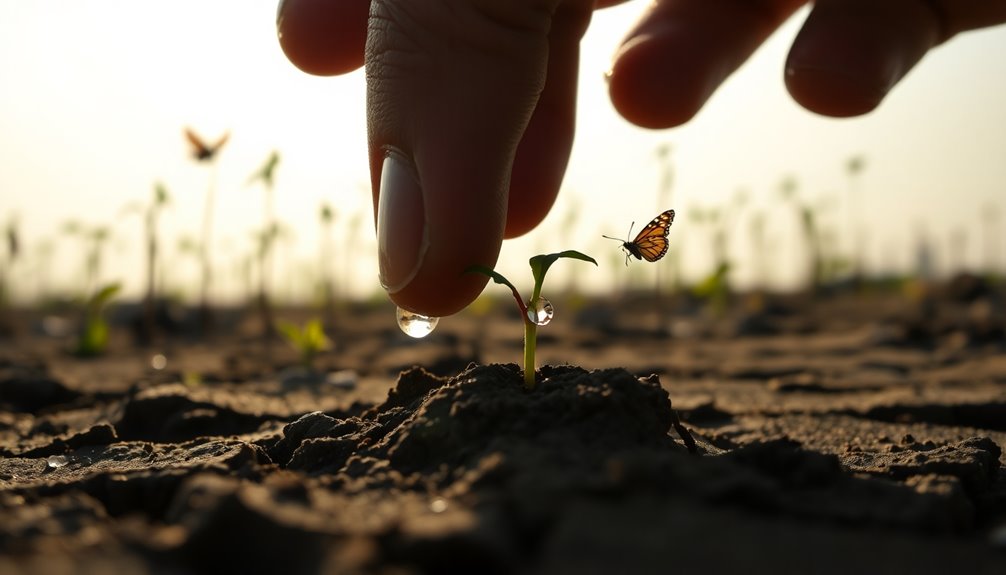
Instead of wishing for an end to suffering, embrace it as an essential part of your growth. Suffering teaches resilience and fosters empathy, showing you your inner strength. Discomfort isn’t just to avoid; it’s a pathway to transformation. Shift your mindset from victim to survivor by practicing self-compassion and setting realistic goals. Celebrate your small victories—each one counts. Navigate your healing journey with intention and support; there’s more to discover about thriving through life’s challenges.
Understanding the Nature of Suffering

When you explore the nature of suffering, you might realize it’s an inherent part of life rather than something to be avoided at all costs.
Suffering’s duality reveals that pain and joy often coexist, shaping your experiences and understanding. Instead of resisting suffering, you can embrace it as a teacher. This perspective fosters emotional resilience, helping you navigate challenges more effectively.
By acknowledging suffering’s role, you can cultivate empathy, deepen connections with others, and gain insights into your own strength. It’s in these moments of struggle that you often discover your true self, revealing layers of courage and compassion you didn’t know you had.
Embracing the emotional landscape of suffering can further enhance your growth and self-awareness.
Embrace this journey; it’s where growth truly happens.
Why Shouldn’t We Wish for an End to Pain?

When you adopt a growth mindset, you recognize that hardship lessons can lead to resilience building. Each transformative struggle shapes your pain narrative, guiding you on your healing journey.
Rather than avoiding discomfort, lean into it; it’s through these experiences that you cultivate emotional growth. Instead of wishing for relief, focus on how pain can empower you to emerge stronger, wiser, and more connected to yourself and others. Embracing obstacles serves as a reminder that each challenge holds potential for growth and transformation.
The Importance of Embracing Discomfort

Embracing discomfort can be a powerful tool for personal growth, as it pushes you to confront your fears and limitations.
When you lean into discomfort, you cultivate a growth mindset, allowing you to see challenges as opportunities rather than obstacles.
The discomfort benefits are numerous; you build resilience, develop problem-solving skills, and gain confidence in your abilities.
Each time you face something uncomfortable, you expand your comfort zone, paving the way for greater achievements.
Instead of avoiding discomfort, welcome it as a signal for growth.
Remember, every step outside your comfort zone brings you closer to realizing your potential. Additionally, recognizing the complexity of attachments can help you navigate your discomfort more effectively.
How Can Suffering Be a Teacher?
Here’s how suffering acts as a teacher:
- Resilience: You learn to bounce back, discovering your inner strength.
- Empathy: Pain fosters a deeper understanding of others’ struggles, allowing you to connect on a human level.
- Perspective: Difficult experiences help you appreciate the good times, shifting your outlook on life.
- Growth: Suffering encourages personal development, pushing you to confront fears and expand your comfort zone.
Embracing suffering as a teacher can transform your experiences, making you wiser and more compassionate, as it nurtures self-compassion and enhances your ability to face future challenges.
Shifting Your Mindset: From Victim to Survivor
To shift from feeling like a victim to embracing the role of a survivor, you need to take personal responsibility for your experiences. This mindset allows you to cultivate resilience in your daily life, turning challenges into opportunities for growth. Building resilience through micro-goals can help restore motivation and provide a clear path forward during tough times.
Embracing Personal Responsibility
While it’s easy to feel trapped in a cycle of despair, recognizing your role in shaping your own life can be a powerful catalyst for change.
Embracing personal responsibility shifts your mindset from victim to survivor. Here’s how to cultivate that ownership mentality:
- Adopt a Proactive Mindset: Take charge of your life choices rather than waiting for change.
- Practice Self-Awareness Strategies: Reflect on your thoughts and actions to understand your triggers.
- Develop Decision-Making Skills: Consider the consequences of your choices to make informed decisions.
- Utilize Self-Empowerment Techniques: Engage in empowerment practices that boost your confidence and action-oriented mindset.
Accepting responsibility can transform your life, leading to growth and resilience.
Cultivating Resilience Daily
Embracing personal responsibility sets the foundation for cultivating resilience daily. You can strengthen your emotional strength through consistent resilience building.
Start by integrating daily practices, like journaling or meditation, to enhance your positive mindset. Develop coping mechanisms that work for you, whether it’s deep breathing or physical exercise, to manage stress effectively.
Focus on mental toughness by challenging negative thoughts and adopting adaptive strategies. Embrace a growth mindset; view setbacks as opportunities for learning.
Prioritize self-care routines, ensuring you nurture your body and mind. By making these small, intentional changes, you’ll shift from feeling like a victim to thriving as a survivor.
Each step you take builds resilience, empowering you to face life’s challenges head-on.
Practical Strategies for Coping With Pain
Coping with pain requires proactive strategies that empower you to regain control over your life.
By embracing effective coping techniques, you can enhance your emotional resilience and promote holistic healing.
Here are four practical strategies to help you manage pain:
- Use Positive Affirmations: Reinforce your emotional intelligence by reminding yourself of your strength and resilience.
- Engage in Therapeutic Practices: Explore yoga or meditation for stress reduction and pain management.
- Implement Self-Reflection Strategies: Regularly assess your feelings and triggers to better understand your pain.
- Build Support Systems: Connect with friends, family, or support groups to share experiences and coping techniques.
Additionally, incorporating mindfulness techniques can further enhance your ability to cope with pain effectively.
Building Resilience Through Adversity
When you face adversity, it’s an opportunity to embrace discomfort and grow stronger.
Each challenge teaches you valuable lessons that shape your resilience.
Instead of shying away from difficulties, lean into them and watch how you transform. Developing emotional strength through these experiences will empower you to navigate future challenges more effectively.
Embracing Discomfort For Growth
While discomfort often feels overwhelming, it can actually be a powerful catalyst for personal growth. By embracing discomfort, you cultivate a growth mindset and build emotional resilience.
Here are some ways to leverage discomfort benefits:
- Face Your Fears: Engage in fear-facing activities to enhance your adaptability skills.
- Accept Pain: Practice pain acceptance to foster strength building in tough situations.
- Explore Vulnerability: Allow yourself to be vulnerable, which can lead to profound perspective shifts.
- Cultivate Courage: Each uncomfortable experience is an opportunity for courage cultivation, making you more resilient.
Learning From Life’s Challenges
Life’s challenges often serve as the most profound teachers, revealing lessons that help you build resilience. When you embrace these transformative experiences, you cultivate a resilience mindset that fosters emotional growth and strength development.
Each obstacle can offer valuable coping strategies and prompt significant perspective shifts, guiding you toward inner peace.
As you navigate your acceptance journey, you’ll discover pathways to personal evolution. These moments of struggle become pivotal in your healing journeys, teaching you that pain can lead to profound insight.
Instead of wishing for an end to suffering, focus on the lessons embedded within. By doing so, you empower yourself to rise stronger, transforming adversity into an opportunity for growth and deeper understanding.
The Role of Mindfulness in Managing Suffering
Mindfulness offers a powerful tool for managing suffering, as it encourages you to stay present and fully experience your emotions without judgment.
By practicing mindfulness, you can cultivate non-judgmental awareness and enhance emotional regulation. Here are four effective mindfulness strategies:
- Mindful Breathing: Focus on your breath to anchor yourself in the present moment.
- Compassionate Observation: Acknowledge your feelings without criticism.
- Gratitude Journaling: Write down what you’re thankful for to shift your perspective.
- Mindful Meditation: Engage in a self-reflection practice that promotes acceptance strategies and sensory engagement.
These techniques help you navigate suffering more effectively, allowing you to embrace each experience with clarity and compassion. Additionally, incorporating mindfulness practices into your daily routine can significantly improve your overall mental health.
Finding Meaning in Difficult Times
**
Experiencing suffering can often feel overwhelming, but it also opens the door to discovering deeper meaning in your life. By embracing this challenging time, you can cultivate hopeful perspectives that lead to transformative journeys.
Engaging in healing narratives allows you to process your experiences and find personal growth. Reflective practices, such as journaling or meditation, help enhance your emotional intelligence and guide you along self-discovery paths.
Engaging in healing narratives fosters personal growth, while reflective practices like journaling enhance emotional intelligence and guide self-discovery.
Participating in gratitude exercises can shift your focus toward the positive, even amidst adversity. Connecting with supportive communities provides encouragement and shared experiences, enriching your understanding of resilience.
As you navigate these difficulties, you’ll uncover future aspirations that inspire you, turning your suffering into a powerful catalyst for growth. Additionally, cultivating joy through meaningful connections can help you find light even during the darkest times.
The Power of Connection: Leaning on Others
When you face suffering, reaching out to others can provide essential support and perspective. Building strong connections can lead to collaborative healing and collective resilience.
Here are some effective connection strategies to enhance your emotional bonding:
- Join Support Networks: Engage in groups that share your experiences, fostering trust and vulnerability strength.
- Practice Active Listening: Develop your listening skills to deepen relationship depth and show empathy.
- Participate in Community Engagement: Get involved in local initiatives to create caring connections and enhance group dynamics.
- Share Your Journey: Open up about your struggles; this vulnerability can strengthen relationships and lead to powerful shared experiences.
Additionally, engaging in supportive communities can significantly improve mental health, providing a sense of belonging and resilience during tough times.
Transforming Pain Into Purpose
When you face pain, it’s easy to feel lost, but you can actually transform that struggle into something meaningful.
Embracing your pain allows you to discover insights and strengths you never knew you had.
Embrace Your Pain
Embracing your pain can be a transformative journey, revealing insights that lead to deeper understanding and purpose.
By accepting your pain, you cultivate emotional resilience and tap into your inner strength. This vulnerability exploration is essential for growth and self-discovery.
Here’s how to embrace your pain effectively:
- Acknowledge Your Feelings: Accept your emotions without judgment; it’s the first step in your healing journey.
- Reflect on Experiences: Use journaling or meditation to uncover lessons from your pain.
- Connect with Others: Share your struggles; supportive communities foster emotional resilience.
- Adopt a Growth Mindset: View challenges as opportunities for transformative experiences and personal development.
Through this process, you’ll find purpose in your pain and emerge stronger.
Find Meaning In Struggle
Pain often feels overwhelming, but it can also serve as a powerful catalyst for growth. By cultivating a resilience mindset, you can transform your struggles into transformative experiences.
Embrace each challenge as a stepping stone on your self-discovery journey, fostering emotional strength and inner growth. Overcoming obstacles teaches essential life lessons that shape your path to purposeful living.
Explore adaptive strategies that help you navigate your healing journey, turning pain into purpose. Remember, every setback can spark insight, guiding you toward a more profound understanding of yourself.
When you focus on meaning in struggle, you’ll find that even the toughest times can lead to richer, more fulfilling experiences. Embrace the journey, and let your struggles shape your story.
Self-Compassion: Being Kind to Yourself
Self-compassion isn’t just a nice idea; it’s an essential practice that can transform how you navigate life’s challenges. By incorporating self-kindness practices into your routine, you nurture a more compassionate inner voice.
Self-compassion is vital; it transforms your approach to challenges and nurtures a kinder inner dialogue.
Here are four ways to practice self-compassion:
- Mindfulness exercises: Stay present and acknowledge your feelings without judgment.
- Compassionate self-talk: Challenge negative thoughts with kind affirmations.
- Emotional self-care: Prioritize activities that recharge your spirit and reflect self-acceptance strategies.
- Gratitude journaling: Write down things you appreciate about yourself and your journey.
Embrace these techniques, including body awareness techniques and self-forgiveness techniques, to cultivate a fuller, kinder relationship with yourself.
Setting Realistic Goals for Growth
To grow, you need to embrace the idea of incremental progress.
By breaking your goals into measurable milestones, you’ll see how far you’ve come and what’s next.
This approach makes the journey feel more manageable and rewarding.
Embrace Incremental Progress
While it’s easy to get overwhelmed by the desire for immediate change, embracing incremental progress can lead to meaningful growth.
Focus on small, achievable goals that foster gradual improvement. Remember, steady progress is key to continuous growth over time.
Here are four ways to embrace this mindset:
- Set Achievable Goals: Break down your ambitions into manageable tasks.
- Celebrate Small Steps: Acknowledge each victory, no matter how minor; it fuels motivation.
- Practice Patient Evolution: Understand that slow transformation takes time and effort.
- Commit to Persistent Effort: Consistency is essential for mindful advancement toward your objectives.
Define Measurable Milestones
After embracing incremental progress, defining measurable milestones becomes essential for tracking your growth. Goal setting isn’t just about lofty ambitions; it’s about creating personal benchmarks that guide you.
Start by identifying success indicators that align with your objectives. Use progress tracking to regularly assess your achievements, enabling accurate outcome assessment. Break larger goals into smaller milestones for easier recognition and motivation.
This way, you can conduct performance evaluations to see how far you’ve come. Implementing growth metrics allows for objective analysis, helping you understand what works and what doesn’t.
Each milestone reached not only marks achievement measurement but also builds your confidence, propelling you forward on your journey. Focus on these milestones, and you’ll see continuous growth.
Celebrating Small Victories Amid Struggles
Even when life feels overwhelming, recognizing and celebrating small victories can transform your perspective.
These small wins pave the way for personal growth and foster a mindset shift that encourages resilience.
Here’s how you can embrace this practice:
- Daily Reflections: Take a moment to jot down your achievements, no matter how minor.
- Gratitude Practice: Acknowledge what you’re grateful for, enhancing mindful appreciation of your journey.
- Progress Tracking: Monitor your small wins to visualize growth and motivate yourself.
- Celebration Rituals: Establish simple ways to honor your achievements, creating joy moments that uplift your spirit.
Moving Forward: Creating a Path to Healing
As you navigate through the complexities of life, creating a path to healing becomes essential for your well-being. Embrace your healing journeys as transformative experiences that foster emotional growth and personal evolution.
Explore self-discovery paths that resonate with you, integrating holistic wellness into your daily routine. Engage in introspective practices and mindfulness techniques to cultivate inner peace.
Surround yourself with supportive communities that uplift and empower you, sharing in the struggles and victories. Implement empowerment strategies that help you take charge of your healing process.
Conclusion
In the grand tapestry of life, suffering isn’t just a dark thread; it’s what gives depth to the whole picture. Instead of wishing for an end, embrace the lessons hidden in discomfort. Remember, even the phoenix rises from the ashes, transforming pain into strength. By nurturing self-compassion and celebrating each small victory, you can navigate your journey with resilience. So, step boldly into your own story—every struggle can be a stepping stone to a brighter tomorrow.