
Scheduling Zen time isn’t just a luxury; it’s an essential productivity tool. By taking pauses for stillness, you recharge your mind, enhance focus, and boost creativity. It helps you process emotions and improve decision-making, leading to better overall well-being. Regular practice fosters emotional resilience and sharpens your ability to navigate daily stressors. If you embrace this practice, you’ll discover more strategies to integrate Zen time into your busy lifestyle for lasting benefits.
What Is “Zen Time” and Why Does It Matter?
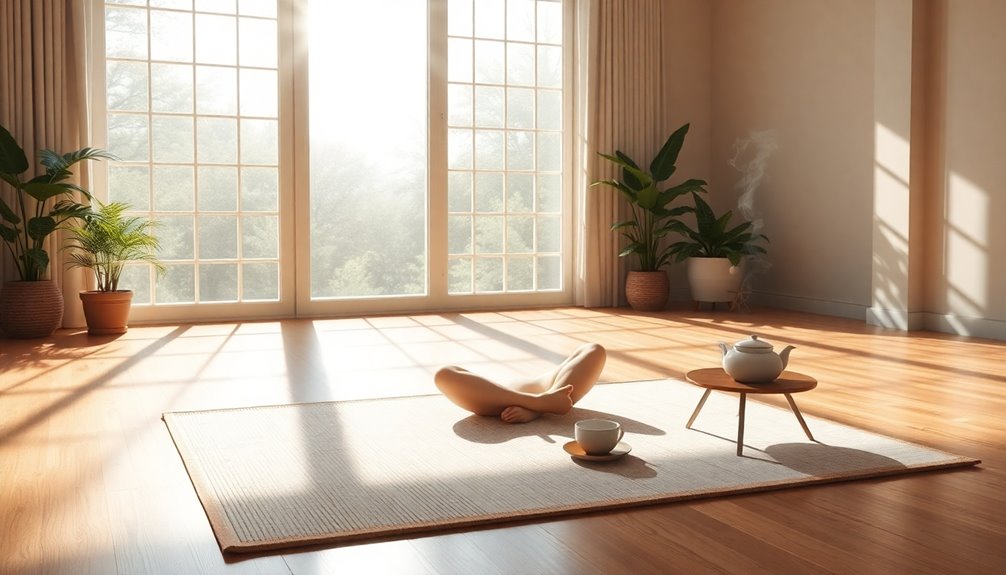
These mindful moments aren’t just luxuries; they’re essential for your well-being. By carving out time for intentional pauses, you create space to reflect, breathe, and reset.
This practice helps you step back from the whirlwind of life, providing clarity and focus. When you prioritize Zen Time, you’re not just slowing down; you’re enhancing your productivity and creativity.
It’s during these quiet intervals that you can process thoughts and emotions, leading to better decision-making. Embracing Zen Time means acknowledging your needs and fostering a deeper connection with yourself, ultimately making you more resilient in the face of challenges. Practicing mindfulness is a key strategy for managing both external and internal noise, allowing you to fully engage in your Zen Time experience.
The Science Behind Scheduled Stillness

Prioritizing moments of stillness isn’t just beneficial for your mental clarity; it’s backed by science. Neuroscience insights reveal that scheduled stillness can help combat the productivity paradox, where constant busyness leads to diminished returns.
Mindfulness research shows that even brief pauses enhance cognitive benefits, improving emotional regulation and lowering your stress response. Engaging in stillness promotes attention restoration, allowing your brain to reset.
Even brief pauses can enhance cognitive benefits, improve emotional regulation, and lower stress, allowing your brain to reset and restore attention.
This shift positively influences brainwave patterns, leading to enhanced focus and creativity. As you integrate these moments into your routine, you’ll experience greater mental clarity and performance enhancement. Additionally, incorporating mindfulness practices into your daily schedule can significantly enhance your emotional well-being.
Embracing scheduled stillness can transform your productivity and overall well-being, proving that sometimes, doing less can actually yield more.
How Does Zen Time Boost Focus and Creativity?

Although you might feel the pressure to stay constantly busy, incorporating moments of stillness can greatly boost your focus and creativity.
When you take a break to breathe and reflect, you clear your mind, allowing thoughts to settle. This creates space for a focused mind, which is essential for tapping into your creative flow. Instead of forcing ideas, you’ll find that inspiration often arises during these quiet moments.
Zen time helps you step back, reducing mental clutter and sharpening your perspective. As a result, you’ll approach challenges with renewed energy and insight. Regularly scheduling do nothing time is crucial for fostering emotional stability and promoting overall well-being.
Embracing stillness isn’t just a pause; it’s an essential strategy for enhancing your productivity and releasing your creativity.
Practical Benefits of Incorporating Stillness
Incorporating stillness into your routine can greatly enhance your focus and clarity. As you take time to pause, you’ll notice a reduction in stress and anxiety, allowing your mind to reset. This mental space also fosters improved creative thinking, helping you tackle challenges with fresh ideas. Additionally, embracing effortless action can further support your ability to navigate daily tasks with ease and harmony.
Enhanced Focus And Clarity
When you carve out moments of stillness in your day, you release the potential for enhanced focus and clarity.
Incorporating practices like mindful breathing and focused meditation not only rejuvenates your mind but also sharpens your cognitive abilities.
Here are three effective strategies to enhance your focus:
- Mindful Breathing: Use awareness exercises to center your thoughts and reduce distractions.
- Focused Meditation: Engage in clarity techniques that foster deep concentration and mental rejuvenation.
- Attention Restoration: Implement concentration strategies that help you regain mental energy and enhance overall productivity.
Reduced Stress And Anxiety
As you embrace moments of stillness throughout your day, you’ll likely find a significant reduction in stress and anxiety. By integrating these pauses, you tap into mindfulness benefits that ground you in the present moment.
This practice not only calms your mind but also enhances your ability to manage stress effectively. When you take time to simply breathe and reflect, you create a mental space to process emotions and thoughts.
This clarity helps you respond to challenges rather than react impulsively. Over time, these intentional breaks cultivate resilience, allowing you to face daily pressures with a calmer mindset.
Ultimately, scheduling stillness isn’t just a luxury; it’s a powerful tool for better stress management and emotional well-being.
Improved Creative Thinking
While you might think creativity thrives in the hustle and bustle of daily life, scheduling moments of stillness can actually spark your innovative thinking.
By carving out time for quiet reflection, you can overcome creative blocks and enhance your artistic flow. Here’s how:
- Divergent Thinking: Stillness opens your mind to explore multiple ideas, leading to innovative solutions.
- Cognitive Flexibility: A calm mind allows you to shift perspectives, making it easier to connect seemingly unrelated concepts.
- Idea Generation: Regularly incorporating stillness helps you tap into various inspiration sources, fueling effective brainstorming techniques.
Tips for Scheduling Your Zen Time
Finding time for stillness can feel challenging, but with a few adjustments to your schedule, you can carve out those precious moments.
Start by practicing mindful scheduling; block out specific times each day dedicated to your zen time. Think of it as a non-negotiable appointment.
Next, incorporate intentional pauses throughout your day. Even short breaks can help you reset and recharge. Set reminders on your phone to step away from your tasks, breathe deeply, and focus on the present.
Finally, consider your environment—create a calming space where you can unwind without distractions. Additionally, embracing mindful practices can enhance your overall well-being and mental clarity.
Different Ways to Practice Mindfulness
When it comes to practicing mindfulness, breathing exercises and mindful walking can be powerful tools.
You can easily incorporate these techniques into your daily routine, helping you stay present and centered.
Let’s explore how these practices can enhance your Zen time. Additionally, engaging in mindfulness techniques can significantly improve emotional resilience, allowing you to better manage stress and anxiety.
Breathing Exercises Techniques
Breathing exercises are powerful tools for practicing mindfulness, helping you center your thoughts and calm your mind.
Here are three effective techniques to enhance your breath control:
- Diaphragmatic Breathing: Focus on mindful inhalation through your nose, allowing your diaphragm to expand fully. Exhale consciously through your mouth, promoting relaxation.
- Box Breathing: Inhale for four counts, hold for four, exhale for four, and pause for four. This structured approach fosters the relaxation response.
- Breath Counting: Count each inhale and exhale up to ten, then repeat. This technique helps maintain focus and cultivates intentional pauses.
Incorporating guided imagery and progressive muscle relaxation can further deepen your practice, enhancing your overall sense of calm and mindfulness.
Mindful Walking Practices
Although many associate mindfulness with seated practices, mindful walking offers a dynamic way to engage with the present moment. As you walk, focus on your breath, allowing it to guide your rhythmic movement. This breath focus helps cultivate sensory awareness, making each step a chance to connect with your surroundings.
Whether you’re in nature or traversing an urban environment, you can practice urban mindfulness by observing the details around you—colors, sounds, and textures. Use grounding techniques, like feeling the earth beneath your feet, to anchor yourself.
Embrace mindful observation, noticing how your body feels as you move. Mindful walking can transform a simple stroll into a profound experience, deepening your nature connection and enhancing your overall well-being.
Overcoming Resistance to Stillness
As you immerse yourself in the practice of stillness, it’s natural to feel a pull of resistance. This resistance often stems from societal pressures and self-judgment challenges, creating mental barriers that hinder your progress.
To overcome these emotional obstacles, consider these strategies:
Consider these strategies to navigate emotional obstacles: acknowledge triggers, reframe your mindset, and prioritize stillness as essential to your well-being.
- Acknowledge Resistance Triggers: Identify what makes you uncomfortable. Is it guilt about taking time for yourself or productivity myths that make you feel unproductive?
- Reframe Your Mindset: Shift your perspective on stillness. Emphasize its benefits for your mental clarity and overall well-being.
- Prioritize Time Management: Schedule stillness as a non-negotiable part of your day, aligning it with your personal priorities rather than seeing it as an indulgence.
Practicing stillness can enhance your emotional regulation, making it a vital component for enhancing your productivity.
Embrace stillness; it’s essential for enhancing your productivity.
Creating a Zen-Compatible Environment
To create a Zen-compatible environment, start by decluttering your space; a tidy area promotes calm. Incorporating natural elements, like plants or stones, can enhance your connection to the tranquility of nature. Finally, optimize your lighting conditions—soft, warm light can make all the difference in setting a serene atmosphere. Additionally, embracing mindful consumption can help maintain a clutter-free environment that supports your Zen practices.
Declutter Your Physical Space
Creating a Zen-compatible environment starts with decluttering your physical space, as less clutter fosters tranquility and focus.
A minimalist workspace enhances your productivity, making it easier to concentrate on tasks without distractions.
Here are three steps to achieve effective clutter reduction:
- Clear Surfaces: Remove unnecessary items from your desk and shelves. Keep only essentials that inspire you.
- Organize Supplies: Use storage solutions like boxes or trays to categorize and contain your materials, creating a cleaner look.
- Limit Decor: Choose a few meaningful objects that bring you joy. Too many decorations can overwhelm the senses.
Incorporate Nature Elements
Incorporating natural elements into your space can greatly enhance the calming atmosphere you’re aiming for. Embrace nature immersion by adding plants and flowers that inspire botanical creativity.
Create sensory connections with textures and scents, inviting seasonal rhythms into your daily routine. Consider integrating green spaces, whether through indoor gardens or outdoor mindfulness practices.
Surround yourself with natural soundscapes—think chirping birds or rustling leaves—to promote tranquility. Engage in eco therapy by observing local wildlife and appreciating the landscapes around you.
This connection to nature not only enriches your environment but also fosters a sense of peace and well-being. By weaving these elements into your life, you’ll cultivate a serene sanctuary that nurtures your productivity and clarity.
Optimize Lighting Conditions
As you cultivate a serene sanctuary with natural elements, consider how lighting can enhance that calming atmosphere. The right lighting can transform your space into a Zen-compatible environment.
Here are three ways to optimize your lighting conditions:
- Maximize Natural Light: Position your workspace near windows to take advantage of daylight. This boosts mood and productivity.
- Adjust Ambient Lighting: Use soft, diffused lights to create a cozy atmosphere. Avoid harsh overheads; instead, opt for floor or table lamps.
- Mind Color Temperature: Aim for warm white bulbs (2700K-3000K) to promote relaxation. Adjust lighting throughout the day to align with your energy levels.
Integrating Zen Time Into a Busy Lifestyle
While juggling a busy schedule, you can still carve out moments for Zen time that rejuvenate your mind and spirit. Start by practicing mindful scheduling; block out specific times during your day for intentional pauses. Even five minutes between meetings can create a powerful shift. Use this time to breathe deeply, meditate, or simply sit in silence.
Incorporate Zen time into your routine by recognizing natural breaks, like waiting in line or commuting. Instead of reaching for your phone, take a moment to reconnect with your thoughts and feelings. Research indicates that mindfulness-based therapies effectively address anxiety, depression, and burnout.
Real-Life Success Stories: Zen Time in Action
Many people have experienced remarkable transformations by embracing Zen time in their daily lives.
Whether you’re a leader or part of a team, incorporating mindful practices can enhance your workplace balance and productivity.
Here are three success stories:
- Creative Retreats: A marketing team scheduled quarterly retreats focused on team mindfulness and stress management. They returned rejuvenated, sparking innovative ideas.
- Digital Detox: A CEO implemented a digital detox day, promoting self-care strategies among employees. This led to improved focus techniques and productivity.
- Wellness Culture: A company adopted wellness culture by encouraging short Zen breaks. Employees reported better mental health and a collaborative spirit. Additionally, these practices fostered a mindful consumption approach, reflecting their core values and priorities.
Common Myths About Stillness and Productivity
Despite what some might believe, stillness doesn’t equate to idleness; in fact, it can enhance productivity. Many fall for productivity misconceptions that suggest constant activity is the only path to success.
Myth debunking reveals the truth: embracing moments of stillness actually fosters creativity and improves focus. You might think that taking breaks means slacking off, but active rest allows your mind to recharge, leading to better decision-making and problem-solving.
The benefits of stillness extend beyond mere relaxation; they cultivate a sharper, more innovative mind. So, when you carve out time for stillness, you’re not wasting time—you’re investing in your productivity and well-being.
Challenge these myths, and embrace the power of stillness for a more effective work approach.
The Long-Term Impact of Regular Zen Time on Well-Being
Regularly integrating Zen time into your routine can profoundly enhance your overall well-being. By committing to this practice, you’ll reveal several long-term benefits:
- Emotional Resilience: Regular mindfulness integration helps you cope better with life’s challenges, fostering a balanced emotional state.
- Mental Clarity: Consistent practice of stillness sharpens your focus, allowing for clearer decision-making and creativity.
- Holistic Health: Engaging in stress management through Zen time promotes physical well-being, supporting your body and mind in harmony.
These elements contribute to your personal growth, transforming how you navigate daily stressors.
Embrace Zen time, and watch as your emotional strength and mental clarity flourish, leading to a more fulfilling life.
Conclusion
As you carve out your Zen Time, picture a serene lake reflecting the sky, undisturbed by ripples. This stillness sharpens your focus like a polished mirror, allowing creativity to flow freely. By weaving these moments of calm into your busy life, you create a tapestry of productivity and well-being. So, take a breath, embrace the quiet, and watch how this simple act transforms not just your work, but the very essence of your day.